

Classification and Application Analysis of Glass Powder Pneumatic Conveying Systems
Glass powder pneumatic conveying systems are critical in industries dealing with fine particulate materials, particularly in the glass manufacturing sector. These systems utilize air or gas to transport glass powders from one location to another, offering advantages such as dust-free operation, reduced material degradation, and improved safety compared to traditional mechanical conveying methods. The classification of these systems is essential for understanding their design, performance, and suitability for specific applications.
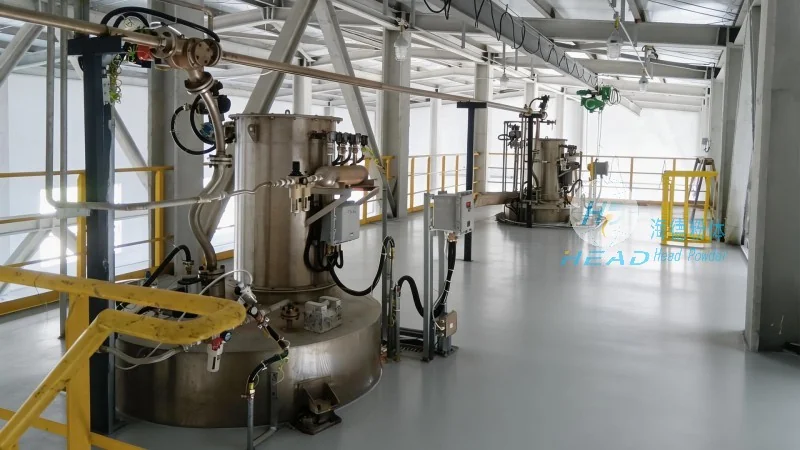
Classification of Pneumatic Conveying Systems for Glass Powders
There are primarily two main categories of pneumatic conveying systems for glass powders: aspiration (or suction) systems and pressure (or blow) systems. Aspiration systems operate by creating a negative pressure at the inlet to draw material into the system. They are suitable for short to medium distances and low to moderate material flow rates. In contrast, pressure systems use positive pressure to push material through the pipeline, making them ideal for longer distances and higher flow rates. Within these categories, subtypes include dilute-phase and dense-phase systems, each with distinct characteristics and applications.
Dilute-Phase vs. Dense-Phase Conveying
Dilute-phase systems, also known as pneumatic transport systems, rely on high-velocity air to suspend the glass powder particles in the air stream. This method is efficient for transporting materials over moderate distances and is commonly used in applications where the material is relatively light and free-flowing. Dense-phase systems, on the other hand, operate at lower velocities and higher material concentrations, where the powder is carried in a plug or slurry form. This approach is beneficial for handling abrasive or sensitive glass powders, as it minimizes particle attrition and ensures a more controlled flow.
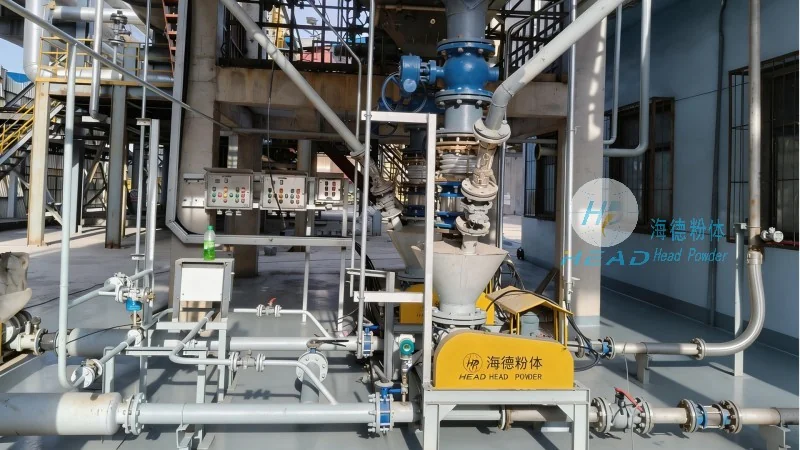
Applications in Glass Manufacturing
Applications of glass powder pneumatic conveying systems span various stages of the glass production process. In the raw material handling phase, these systems are used to transport glass powders from storage silos to processing equipment, such as mixers and furnaces. During the manufacturing process, they facilitate the transfer of colored or specialty glass powders to color mixing units, ensuring consistent coloration and quality control. Additionally, in the finishing and packaging stages, pneumatic conveying systems can be employed to move finished glass products or powders to storage areas or packaging lines, enhancing operational efficiency and reducing manual handling risks.
HeadPowder Engineering: Customized Solutions for Glass Powders
Shandong HeadPowder Engineering Co., Ltd., commonly known as HeadPowder, specializes in the design, manufacturing, and implementation of advanced pneumatic conveying solutions tailored for glass powder applications. The company's expertise lies in customizing systems to meet the specific requirements of glass manufacturers, including material characteristics, processing conditions, and operational constraints. HeadPowder's systems are engineered to deliver reliable, efficient, and cost-effective material transport solutions, supporting the entire lifecycle of glass production from raw material handling to finished product delivery.
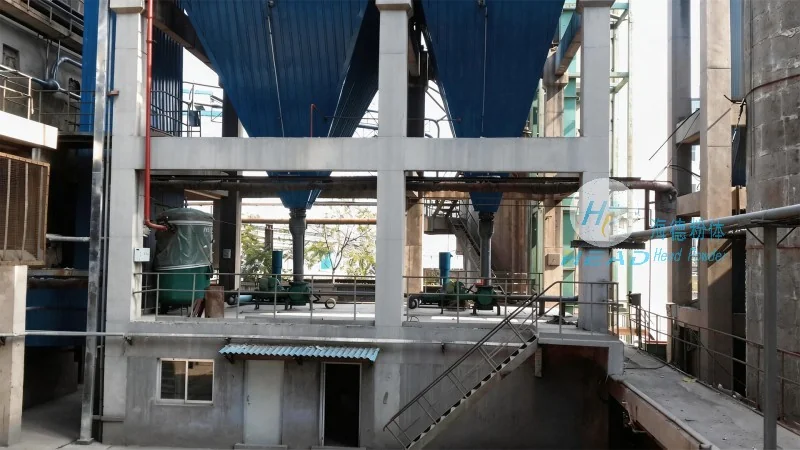
Factors Influencing System Selection
For glass powder pneumatic conveying systems, the choice of system type depends on factors such as the distance between the source and destination, the flow rate of the material, the particle size and density of the glass powder, and the required level of control over the conveying process. Aspiration systems are often preferred for short-distance transfers of low-volume, light glass powders, while pressure systems are more suitable for longer distances or higher flow rates. Dense-phase systems may be selected when handling abrasive or sensitive glass powders to prevent damage and maintain product integrity.
Conclusion: Optimizing Glass Production with Pneumatic Conveying
Overall, the classification and application of glass powder pneumatic conveying systems play a vital role in optimizing glass manufacturing processes. By understanding the different system types and their respective advantages, glass manufacturers can select the most appropriate conveying solution to enhance productivity, reduce operational costs, and ensure the quality and safety of their products. HeadPowder's commitment to providing tailored pneumatic conveying systems underscores the importance of specialized engineering in meeting the unique demands of the glass industry.