

Classification and Application Analysis of Tungsten Carbide Pneumatic Conveying Systems
HeadPowder, a leading engineering company based in Shandong, China, specializes in the design, manufacturing, and implementation of advanced pneumatic conveying systems for tungsten carbide powders. This article provides a comprehensive overview of the classification of these systems and their practical applications in various industrial sectors.
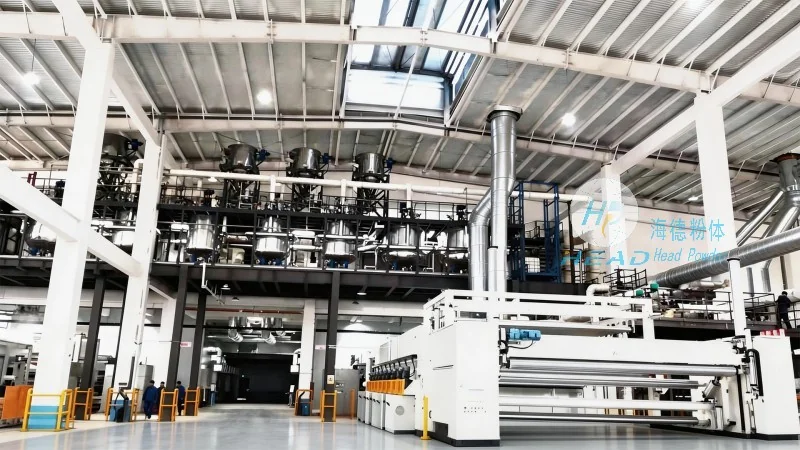
Introduction to Tungsten Carbide Pneumatic Conveying Systems
Tungsten carbide, known for its exceptional hardness, wear resistance, and high melting point, is a critical material in modern manufacturing, particularly in the production of cutting tools, wear-resistant components, and aerospace parts. Efficient and reliable material handling is essential to maintain the quality and integrity of tungsten carbide powders, which are often sensitive to contamination and degradation. Pneumatic conveying systems offer a solution by transporting these powders through a pressurized air stream, minimizing the risk of product damage and ensuring consistent flow rates.
Classification of Tungsten Carbide Pneumatic Conveying Systems
Based on the principles of operation and design, tungsten carbide pneumatic conveying systems can be broadly classified into several categories. The primary classification is based on the direction of material flow relative to the air stream, which includes dilute phase and dense phase systems.
Dilute phase systems are characterized by the material being suspended in the air stream as a fine mist or powder cloud. These systems are typically used for long-distance transport and require high air velocities to maintain particle suspension. In contrast, dense phase systems transport the material in a slurry-like state, where the particles are closely packed and move as a dense stream. Dense phase systems are preferred for handling abrasive or valuable materials like tungsten carbide, as they reduce wear on equipment and minimize product degradation.
Another classification criterion is the type of air flow, which includes positive pressure and negative pressure (or vacuum) systems. Positive pressure systems use a blower to generate air pressure and push the material through the system, while negative pressure systems use a vacuum pump to draw the material into the system. The choice between these systems depends on factors such as the distance of transport, the nature of the material, and the available infrastructure.
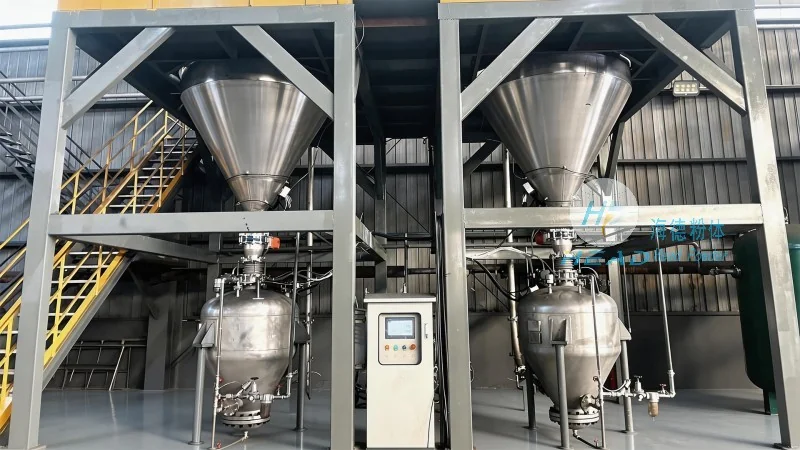
Additionally, systems can be classified by the configuration of the conveying line, including straight-line, loop, and vertical/horizontal combinations. The selection of the appropriate configuration is crucial for optimizing the system's performance and ensuring smooth material flow, especially for materials with high abrasiveness like tungsten carbide.
Key Components of Tungsten Carbide Pneumatic Conveying Systems
Regardless of the classification, tungsten carbide pneumatic conveying systems consist of several key components that work together to ensure efficient operation. These components include the material feed hopper, which stores and feeds the tungsten carbide powder into the system; the air supply unit, which provides the necessary pressure or vacuum; the conveying line, which transports the material; and the discharge hopper or receiver, which collects the material at the destination.
Specialized components are often required for handling tungsten carbide powders due to their abrasive nature. For example, the feed hopper and discharge hopper may be equipped with wear-resistant liners, such as those made of ceramic or high-grade steel, to prevent material buildup and reduce wear. The conveying line may also be lined with similar wear-resistant materials to extend its service life. Additionally, the system may include filters and cyclones to separate the material from the air stream, ensuring that the powder is collected in a clean and dry state.
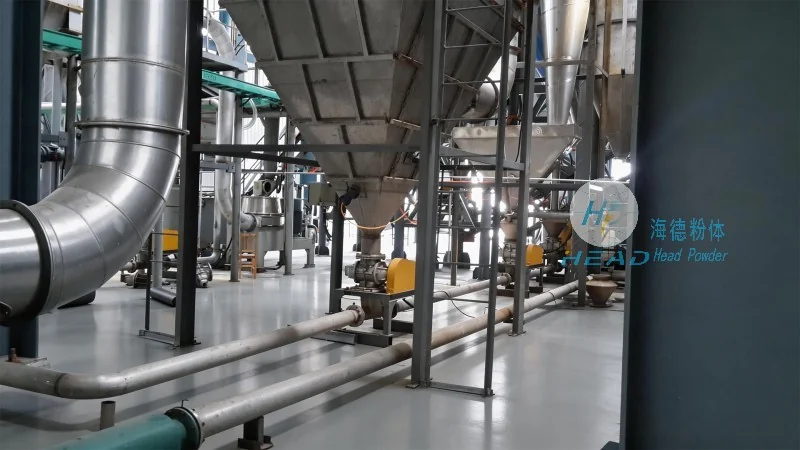
Applications of Tungsten Carbide Pneumatic Conveying Systems
Tungsten carbide pneumatic conveying systems find wide applications in various industries where the material's properties are leveraged. In the tool and die industry, these systems are used to transport tungsten carbide powders from storage to mixing and sintering facilities, ensuring consistent material quality and reducing manual handling risks. The automotive industry utilizes these systems for the production of wear-resistant components, such as engine parts and brake components, where the material's hardness and durability are critical.
In the aerospace sector, tungsten carbide is used in the manufacturing of high-performance parts, including turbine blades and nozzle components. Pneumatic conveying systems enable the efficient transport of these powders to the manufacturing lines, maintaining the material's integrity and reducing production downtime. The electronics industry also benefits from these systems, as tungsten carbide is used in the production of high-precision components, such as semiconductor wafers and connectors, where even small amounts of contamination can affect performance.
Furthermore, in the mining and mineral processing industry, tungsten carbide is used as a grinding medium in ball mills and other equipment. Pneumatic conveying systems are employed to transport these abrasive powders from the grinding mills to the classification and packaging stages, minimizing equipment wear and ensuring efficient material processing.
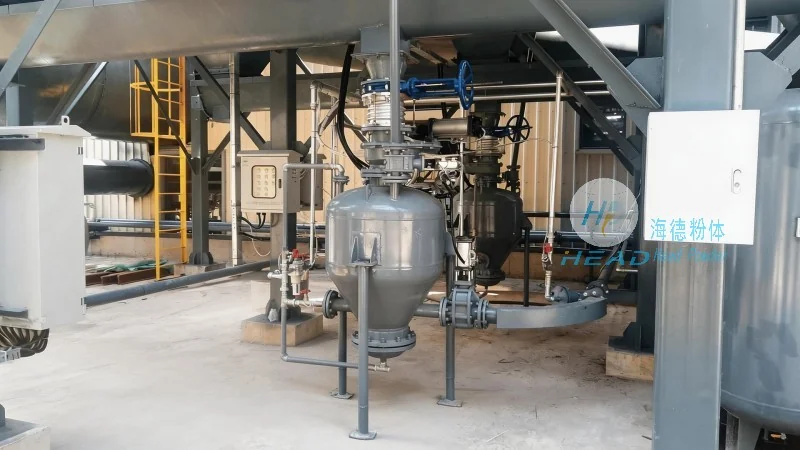
Advantages of Tungsten Carbide Pneumatic Conveying Systems
Implementing a tungsten carbide pneumatic conveying system offers several advantages over traditional material handling methods. One of the primary benefits is the reduction in manual labor, as the system automates the transport of powders, minimizing the risk of human error and exposure to hazardous materials. Additionally, the system reduces product contamination and degradation, as the material is transported in a closed system, preventing contact with air, moisture, or other contaminants.
The systems also offer improved efficiency and reliability. By maintaining consistent air pressure and flow rates, the system ensures smooth and continuous material transport, reducing downtime and increasing production throughput. The use of wear-resistant components and specialized design features further enhances the system's longevity, reducing maintenance costs and extending the equipment's service life.
Another advantage is the flexibility of the system, which can be customized to meet the specific requirements of different applications. Whether it's a short-distance transport in a small workshop or a long-distance transfer in a large industrial facility, the system can be configured to optimize performance and material handling. This adaptability makes the system suitable for a wide range of industries and applications.
Conclusion
Tungsten carbide pneumatic conveying systems are essential equipment for industries that rely on the efficient and reliable handling of tungsten carbide powders. By understanding the classification and components of these systems, as well as their applications and advantages, manufacturers can make informed decisions when selecting the appropriate system for their needs. HeadPowder, with its expertise in engineering and manufacturing, provides high-quality pneumatic conveying systems tailored to the specific requirements of tungsten carbide applications, ensuring optimal performance and material integrity.