

Classification and Application Analysis of Styrene Pneumatic Conveying Systems
Styrene, a key raw material in the chemical industry, is widely used in the production of polystyrene, ABS, and other polymer products. The efficient and safe transportation of styrene is crucial for industrial production processes. Pneumatic conveying systems have become a common method for handling styrene due to their advantages in terms of automation, safety, and flexibility. This article provides a classification of styrene pneumatic conveying systems and analyzes their practical applications.
Introduction to Styrene Pneumatic Conveying Systems
Pneumatic conveying systems utilize air or other gases to transport bulk materials, such as styrene, from one location to another. These systems are particularly suitable for handling powders and granules that are prone to dust, have a low bulk density, or require a high degree of cleanliness. In the context of styrene, which is often in liquid or solid form (e.g., granules or powder), specialized systems are designed to ensure stable and efficient transport while maintaining product quality and safety standards.
Classification of Styrene Pneumatic Conveying Systems
Styrene pneumatic conveying systems can be broadly classified into two main categories: dilute-phase and dense-phase systems. Each type has distinct characteristics and is suitable for different operational conditions and material properties.
Dilute-Phase Pneumatic Conveying
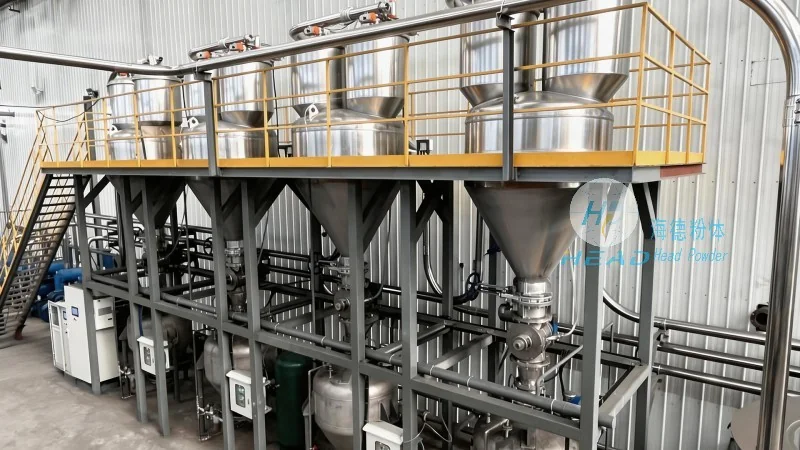
Dilute-phase systems operate by transporting material in a dispersed state within the conveying air. The material is suspended in the air stream, and the air velocity is typically high enough to keep the particles airborne. This method is suitable for short to medium distances and for materials with a relatively low dust content. For styrene, dilute-phase systems are often used when the material is in a granular or powder form and requires a relatively low pressure drop. The system typically includes a feed hopper, a rotary valve, a conveying line, and a receiver. The air is introduced at the inlet of the conveying line, and the material is drawn into the air stream by the pressure differential.
Dense-Phase Pneumatic Conveying
Dense-phase systems, also known as low-pressure or positive-pressure systems, transport material in a more concentrated state. The material is carried in a slurry-like mixture with the conveying air, and the air velocity is lower than in dilute-phase systems. This method is ideal for long-distance transport, for materials that are more prone to degradation or contamination, and for applications where product quality must be strictly maintained. In dense-phase systems, the material is fed into the conveying line under pressure, and the air is introduced at the receiver end to assist in material discharge. This approach reduces the risk of product degradation and ensures a more stable flow.
Key Components of Styrene Pneumatic Conveying Systems
Regardless of the type of system, several key components are essential for the efficient operation of styrene pneumatic conveying systems. These components include:
Feed Hopper and Rotary Valve
The feed hopper is used to store the styrene material and provide a consistent feed to the system. The rotary valve, often located at the bottom of the hopper, controls the flow rate of the material into the conveying line. It ensures a steady and controlled discharge of the material, preventing blockages and maintaining system stability.
Conveying Line and Air Compressor
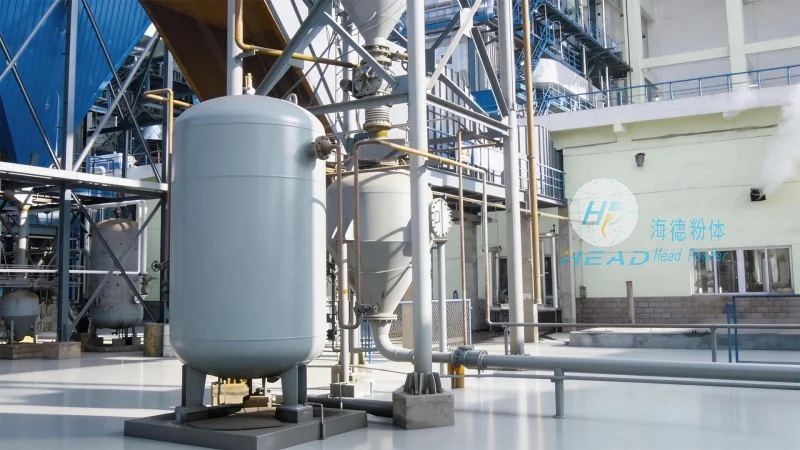
The conveying line is the main channel through which the styrene and air mixture travels. It is typically made of stainless steel or other corrosion-resistant materials to handle the chemical properties of styrene. The air compressor provides the necessary pressure and volume of air to move the material through the line. The choice of compressor depends on the system type (dilute or dense phase) and the required pressure and flow rate.
Receiver and Dust Collector
The receiver is the final destination where the conveyed styrene is collected. It is designed to separate the material from the air stream and prevent product loss or contamination. In some systems, a dust collector is integrated to capture any airborne particles and ensure compliance with environmental regulations. The receiver may include a discharge valve to control the release of the material into the next processing stage.
Application Analysis of Styrene Pneumatic Conveying Systems
The application of styrene pneumatic conveying systems varies based on the specific requirements of the industrial process. The following are common applications and the factors that influence the choice of system type:
Application in Polymer Production
In the production of polystyrene and other styrene-based polymers, the efficient transport of styrene granules from storage to the polymerization reactors is critical. Dense-phase systems are often preferred in this application due to the need for long-distance transport and the requirement to maintain product purity. The low pressure and stable flow of dense-phase systems help minimize product degradation and ensure consistent reactor feed rates.
Application in Chemical Processing
Styrene is also used in various chemical processing applications, such as the production of styrene derivatives and additives. In these processes, the material may be in a liquid or solid form and require precise control over the transport conditions. Dilute-phase systems can be used for shorter distances and when the material is in a powder form, while dense-phase systems are suitable for longer distances and when the material is more viscous or prone to clogging.
Application in Bulk Handling and Storage
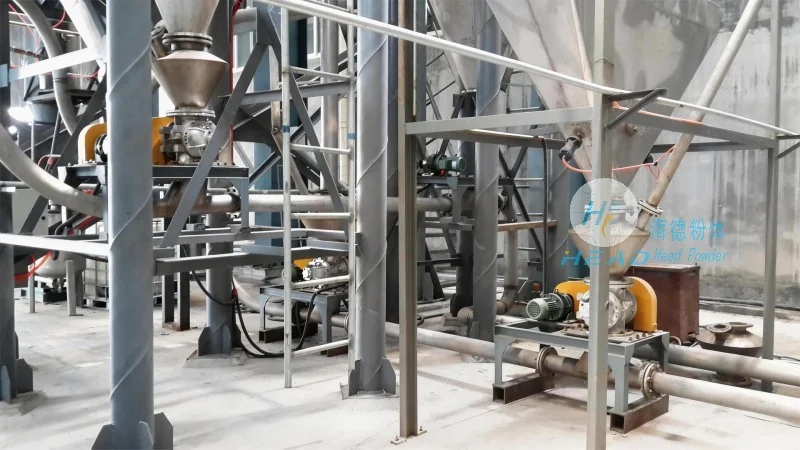
For bulk handling and storage operations, styrene pneumatic conveying systems are used to transfer material between storage silos, processing units, and packaging lines. The flexibility of these systems allows for easy integration into existing production lines and the ability to handle varying material flow rates. The choice between dilute and dense phase depends on the distance between the source and destination, the material characteristics, and the required product quality.
Advantages and Considerations
Styrene pneumatic conveying systems offer several advantages over traditional methods, such as belt conveyors or bucket elevators. These advantages include:
Enhanced Safety
Pneumatic systems eliminate the need for open material handling, reducing the risk of dust explosions and product contamination. The enclosed system also minimizes exposure to styrene fumes, which can be hazardous to workers. This makes pneumatic conveying a safer option for handling potentially volatile materials like styrene.
Improved Product Quality
By maintaining a closed system and controlling the conveying conditions, styrene pneumatic systems help preserve the quality of the material. This is particularly important for applications where the material is sensitive to moisture, temperature, or contamination. The low pressure and stable flow in dense-phase systems ensure that the material remains in its original state, minimizing degradation and ensuring consistent product quality.
Increased Efficiency and Flexibility
Pneumatic conveying systems are highly efficient in terms of energy use and can handle varying material flow rates. The flexibility of these systems allows for easy reconfiguration of the production line, enabling manufacturers to adapt to changing production demands. This adaptability is crucial in industries where product lines and production volumes fluctuate.
However, there are also considerations to keep in mind when implementing styrene pneumatic conveying systems. These include the initial investment cost, the maintenance requirements, and the need for specialized equipment to handle the chemical properties of styrene. Proper system design and regular maintenance are essential to ensure the long-term performance and reliability of the system.
Conclusion
Styrene pneumatic conveying systems are a vital component in the efficient and safe handling of styrene in various industrial applications. The classification into dilute-phase and dense-phase systems allows manufacturers to choose the most suitable system based on their specific operational requirements. By understanding the key components and application scenarios, industries can optimize their material handling processes and improve overall production efficiency. As the demand for styrene continues to grow, the development and application of advanced pneumatic conveying systems will play a crucial role in meeting the needs of the chemical industry.