

Classification and Application Analysis of Phosphate Calcium Pneumatic Conveying Systems
Phosphate calcium is a critical material in the chemical and fertilizer industries, and its efficient transportation is essential for industrial operations. Pneumatic conveying systems provide a reliable method for handling phosphate calcium, ensuring safe and effective material transfer. This article offers an in-depth analysis of the classification and application of phosphate calcium pneumatic conveying systems, focusing on technical aspects and practical implementations.
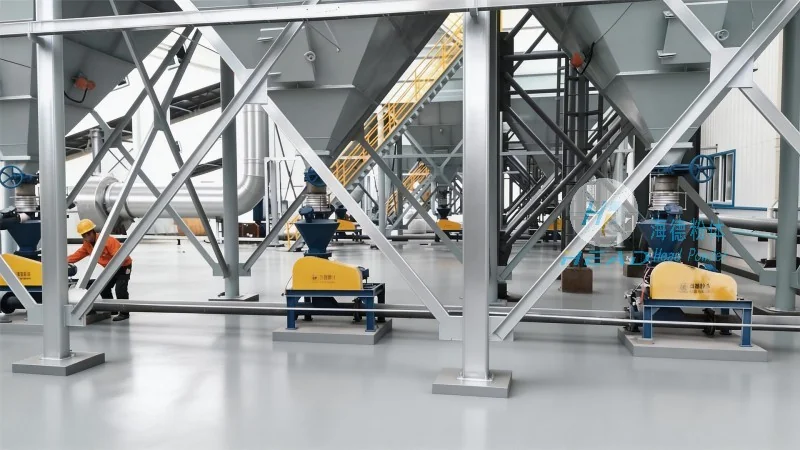
Introduction to Phosphate Calcium Pneumatic Conveying Systems
Phosphate calcium, also known as calcium phosphate, is widely used in agricultural fertilizers, food additives, and pharmaceuticals. Handling this material requires specialized equipment to prevent dust generation and maintain product integrity. Pneumatic conveying systems utilize air pressure to transport phosphate calcium particles, offering advantages such as dust-free operation, low maintenance, and the ability to handle fine powders. The systems are designed to meet the specific demands of industrial processes, ensuring consistent performance and reliability.
About HeadPowder: Leading Provider of Pneumatic Conveying Solutions
HeadPowder, or Shandong HeadPowder Engineering Co., Ltd., is a professional manufacturer and supplier of pneumatic conveying systems. With headquarters in Shandong, China, the company specializes in designing and manufacturing customized solutions for various industrial applications. HeadPowder's expertise lies in understanding the unique challenges of handling phosphate calcium and developing systems that optimize material flow, reduce downtime, and enhance overall operational efficiency. The company's commitment to quality and innovation has made it a trusted partner for businesses in the chemical and fertilizer sectors.
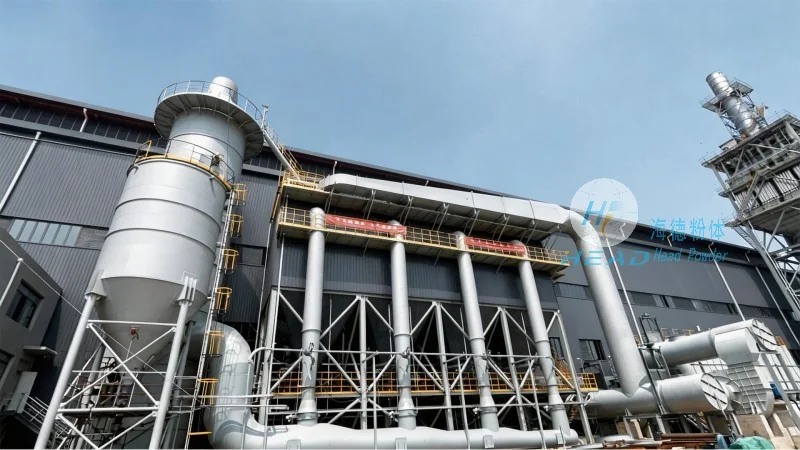
Classification of Pneumatic Conveying Systems for Phosphate Calcium
Pneumatic conveying systems for phosphate calcium can be classified based on key factors including conveying method, system pressure, and material characteristics. The primary classifications include:
- Positive Pressure Systems: These systems use compressed air to push the material forward. They are suitable for transporting materials over short to medium distances and are commonly used for light and fine powders.
- Negative Pressure (Vacuum) Systems: These systems use suction to draw the material into the system. They are ideal for handling heavy materials or transporting over longer distances, as the vacuum helps maintain flow and prevent blockages.
- Combination Systems: A hybrid approach that combines both positive and negative pressure elements. This type offers flexibility and can handle a wide range of material properties and distances, making it suitable for complex industrial setups.
Each classification has its own advantages and limitations, and the choice depends on factors such as material density, particle size, and required conveying distance. Positive pressure systems are generally simpler and more cost-effective for short-distance transport, while negative pressure systems are better suited for longer distances and heavier materials.
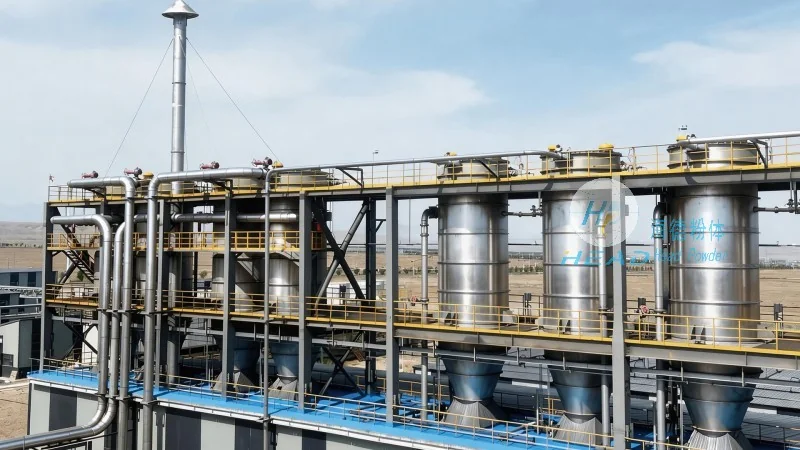
Application Analysis of Phosphate Calcium Pneumatic Conveying Systems
The application of phosphate calcium pneumatic conveying systems varies across industries, with each use case requiring tailored system design. Key applications include:
- Phosphate Fertilizer Production: In fertilizer plants, phosphate calcium is a raw material. Pneumatic conveying systems efficiently transport the material from storage silos to processing units, ensuring a continuous supply of raw materials. The systems help maintain product quality by minimizing exposure to air and preventing contamination.
- Food and Beverage Industry: Phosphate calcium is used as a food additive in beverages and dairy products. The systems used here must meet stringent hygiene standards and ensure clean, controlled handling. They are designed to prevent cross-contamination and maintain product safety.
- Pharmaceutical Manufacturing: In pharmaceutical production, phosphate calcium serves as an excipient or active ingredient. The systems must comply with GMP regulations, ensuring sterile and controlled handling. They are equipped with dust collection and filtration to maintain a clean environment.
Regardless of the industry, the primary goal of using pneumatic conveying systems is to enhance operational efficiency, reduce labor costs, and improve product quality. The systems provide a reliable and cost-effective solution for transporting phosphate calcium, contributing to the overall success of industrial operations.
Key Considerations for Selecting a Pneumatic Conveying System
When selecting a pneumatic conveying system for phosphate calcium, several factors must be considered to ensure optimal performance. These include:
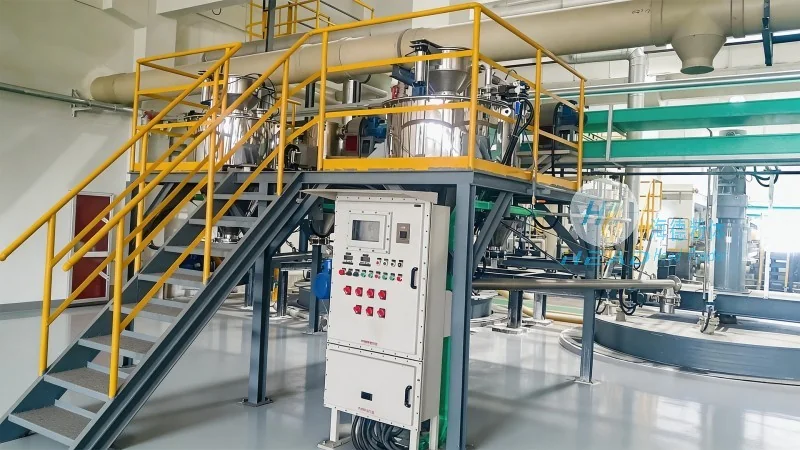
- Material Properties: The density, particle size, and moisture content of the phosphate calcium affect system design. Fine powders require higher air velocities and specialized equipment to prevent clogging.
- Conveying Distance and Height: The distance and elevation change determine the required system pressure and power. Longer distances or higher elevations may need more powerful compressors or vacuum pumps.
- System Capacity: The required throughput dictates the size of system components, including the air compressor, ducts, and material feeders. Proper sizing ensures efficient operation without overloading or underutilizing resources.
- Environmental and Safety Regulations: Compliance with local regulations regarding dust control, noise levels, and material handling is essential. The systems must be designed to minimize environmental impact and ensure operator safety.
By carefully evaluating these factors, businesses can select a pneumatic conveying system that meets their specific needs, optimizing material transport and enhancing overall operational performance.
Conclusion
Pneumatic conveying systems for phosphate calcium offer significant advantages in efficiency, safety, and cost-effectiveness. The classification and application analysis provided in this article highlight the importance of choosing the right system based on material properties and operational requirements. With the expertise of companies like Shandong HeadPowder Engineering Co., Ltd., businesses can access reliable and customized solutions that enhance their industrial processes. The continued development of pneumatic conveying technology ensures that phosphate calcium transportation will remain a critical and effective component of industrial operations.