

Methods for Transporting Calcium Carbonate
Calcium carbonate, a widely used industrial material, requires efficient and reliable transportation methods to ensure smooth operations in various industries. The choice of transport method depends on factors such as material properties, distance, and the specific application requirements. This article explores several common methods for transporting calcium carbonate, highlighting their advantages and practical applications.
Overview of Calcium Carbonate and Its Transport Needs
Calcium carbonate (CaCO₃) is a versatile mineral used in applications ranging from construction materials to food additives and industrial chemicals. Its fine powder or granular form demands specialized handling to prevent dust generation and ensure consistent flow. Effective transport systems must maintain the material's integrity while minimizing operational costs and environmental impact. Understanding the different transport methods is crucial for selecting the most suitable option for a particular production or processing facility.
1. Pneumatic Conveying Systems
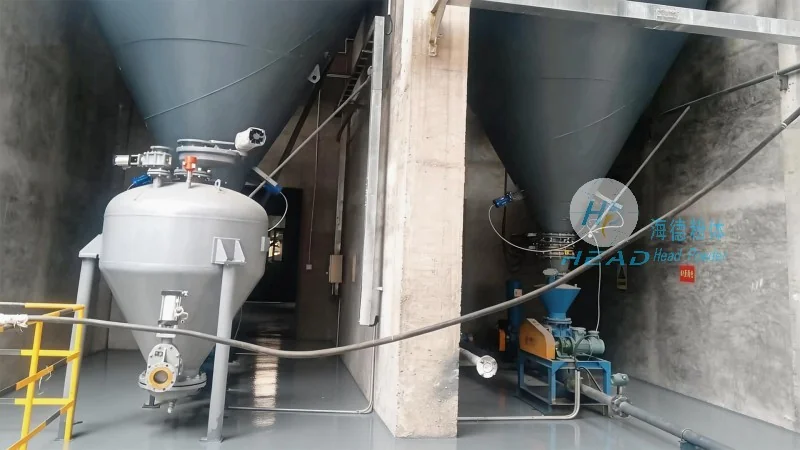
Pneumatic conveying, or air-assisted transport, is a popular method for moving calcium carbonate, especially in applications where dust control and precise dosing are critical. This system uses compressed air to propel the material through a pipeline. There are two main types: pressure and vacuum systems. Pressure systems are ideal for short to medium distances, as they can handle higher material loads with less air consumption. Vacuum systems, on the other hand, are suitable for longer distances or when the material needs to be drawn from multiple sources. The key advantage of pneumatic conveying is its ability to transport calcium carbonate in a closed system, reducing dust exposure and improving safety. However, it requires careful design to prevent blockages and maintain consistent air flow. For example, in food processing, pneumatic systems are often used to transport calcium carbonate for nutritional supplements, ensuring a clean and hygienic process.
2. Belt Conveyors
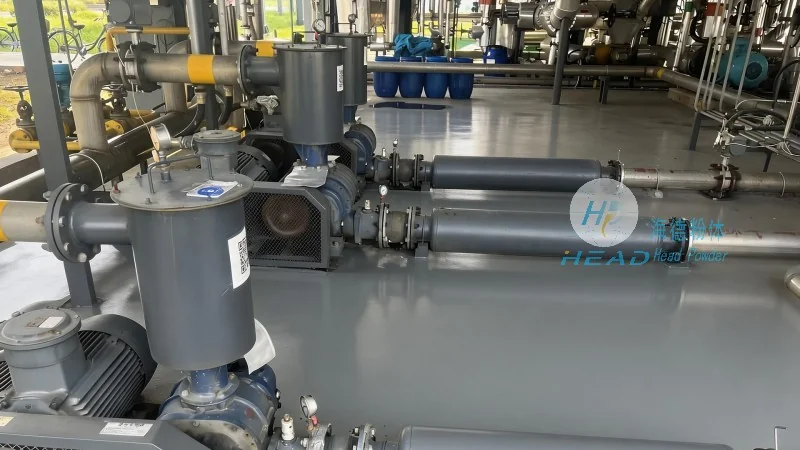
Belt conveyors are a classic and widely used method for transporting bulk materials, including calcium carbonate. These systems consist of a continuous belt that moves over rollers or pulleys, carrying the material from one point to another. Belt conveyors are particularly effective for long-distance transport and can handle large volumes of material with minimal maintenance. They are often used in mining and construction industries where the material is extracted from a quarry and transported to processing plants. The choice of belt material is important, as calcium carbonate can be abrasive and may cause wear on the belt surface. High-quality, wear-resistant belts are recommended to extend the system's lifespan. Additionally, proper tensioning and alignment of the conveyor are essential to prevent material spillage and ensure smooth operation. Belt conveyors can be customized with inclines or declines to accommodate different site layouts, making them adaptable to various industrial settings.
3. Screw Conveyors
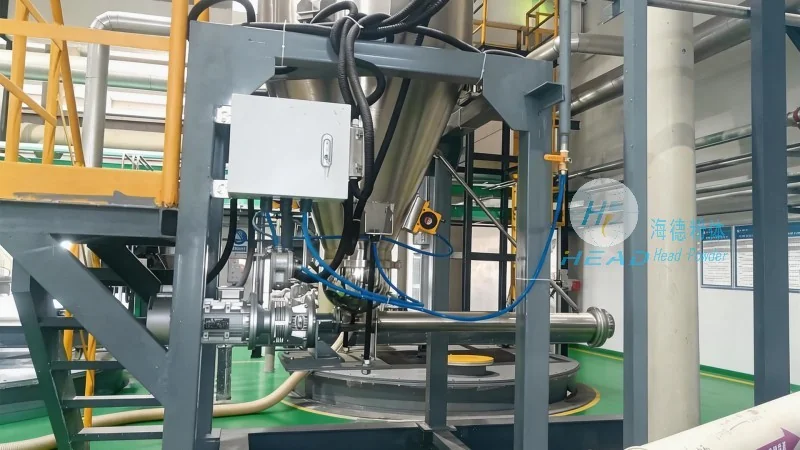
Screw conveyors, also known as auger conveyors, use a rotating screw to move calcium carbonate through a tube or trough. This method is suitable for short to medium distances and is ideal for handling materials with a high moisture content or those that tend to clump together. The screw's rotation creates a positive displacement, pushing the material forward. Screw conveyors are often used in processing plants where the material needs to be transferred between equipment, such as from a storage silo to a mixer. They are compact and can be installed in tight spaces, making them a space-saving solution. However, they may not be as efficient for very fine powders, as the screw can cause excessive friction and heat buildup. For calcium carbonate powders, the screw's design, including the pitch and diameter, must be optimized to prevent clogging and ensure consistent flow. Regular maintenance, such as cleaning the screw and trough, is necessary to maintain performance and prevent material buildup.
4. Hydraulic Conveying
Hydraulic conveying, or slurry transport, involves mixing calcium carbonate with water to form a slurry, which is then pumped through pipelines. This method is commonly used for transporting materials over long distances, especially in mining operations where the material is extracted from deep underground. The slurry is pumped using high-pressure pumps, and the pipeline is designed to withstand the pressure and abrasion from the material. The advantage of hydraulic conveying is its ability to handle large volumes of material with a single system, reducing the need for multiple transport stages. However, it requires a separate system for dewatering the slurry at the destination, as the water must be separated from the calcium carbonate. This process adds complexity and cost to the overall operation. Hydraulic conveying is particularly effective for materials that are difficult to transport by other methods, such as those with high moisture content or those that are prone to clogging. In the construction industry, for example, hydraulic systems are used to transport calcium carbonate for concrete production, ensuring a consistent supply of raw material to the mixing plant.
5. Bucket Elevators
Bucket elevators are vertical or inclined conveyors that use a chain or belt with attached buckets to lift and transport calcium carbonate. This method is ideal for vertical transport, such as moving material from a lower level to an upper storage silo. The buckets are filled with material at the bottom and then lifted, rotating to empty the material at the top. Bucket elevators are efficient for handling bulk materials and can operate continuously without interruption. They are commonly used in industries where vertical space is limited, as they require minimal horizontal footprint. The design of the bucket elevator must consider the material's characteristics, such as its density and flowability, to prevent material spillage and ensure smooth operation. For calcium carbonate, the buckets are typically made of durable materials like steel or plastic to withstand abrasion. Regular inspection of the buckets and chain is necessary to maintain the system's performance and prevent breakdowns. Bucket elevators are often combined with other transport systems, such as belt conveyors, to form a complete material handling solution.
Choosing the Right Transport Method for Calcium Carbonate
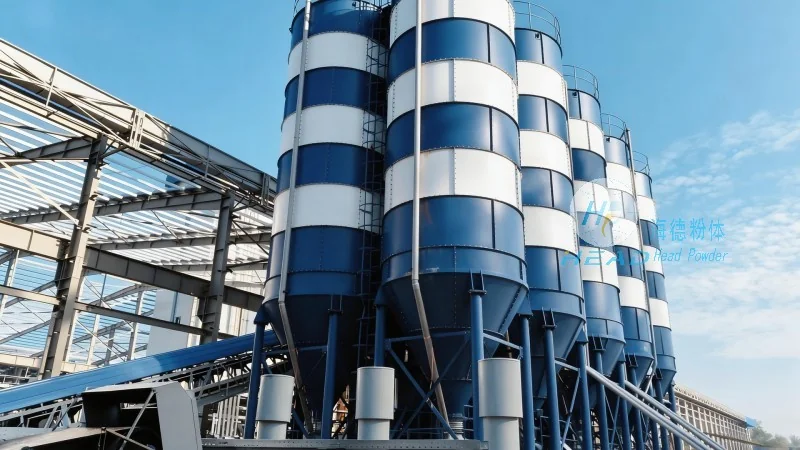
The selection of a transport method for calcium carbonate depends on several factors, including the material's properties, the distance to be covered, and the specific application requirements. Pneumatic conveying is preferred for short distances and when dust control is a priority, while belt conveyors are suitable for long-distance horizontal transport. Screw conveyors are ideal for short, vertical or inclined transport, especially for materials with high moisture content. Hydraulic conveying is effective for long-distance transport of slurries, and bucket elevators are used for vertical lifting. It is essential to evaluate the cost, efficiency, and maintenance requirements of each method before making a decision. For example, a food processing plant may choose pneumatic conveying to maintain hygiene standards, while a mining operation may opt for hydraulic conveying to transport large volumes of material over long distances. The goal is to select a system that maximizes operational efficiency, minimizes downtime, and ensures the material's quality is maintained throughout the transport process.
Conclusion
Effective transport of calcium carbonate is critical for the smooth operation of various industries. By understanding the different methods available and their specific advantages, businesses can select the most suitable system for their needs. Whether using pneumatic, belt, screw, hydraulic, or bucket elevators, the key is to ensure the system is designed and maintained properly to handle the material's characteristics and the operational demands. With the right transport method, calcium carbonate can be moved efficiently and safely, supporting the production and processing requirements of industries worldwide.