

Methods for Transporting Phosphate Iron
Phosphate iron, a critical material in various industrial applications, requires efficient and reliable transport solutions to ensure smooth production processes. As a leading provider in the field, Shandong HeadPowder Engineering Co., Ltd. (HeadPowder) understands the importance of selecting the right transport method based on specific operational needs, material characteristics, and site conditions. This article explores the primary methods for transporting phosphate iron, highlighting their applications and advantages.
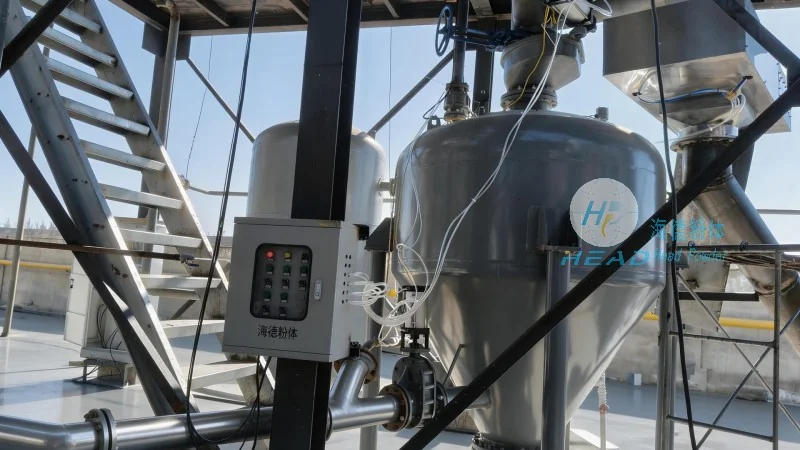
1. Pipeline Transport
Pipeline transport is a widely used method for moving phosphate iron, especially in large-scale industrial settings where continuous flow is essential. This method involves transporting the material through a closed system of pipes, often under pressure or gravity. For phosphate iron, which may have varying particle sizes and moisture content, pipeline systems can be designed with appropriate materials and flow control mechanisms to prevent clogging and ensure consistent delivery. HeadPowder specializes in designing and implementing pipeline systems tailored to the unique properties of phosphate iron, ensuring minimal material loss and optimal efficiency. The use of corrosion-resistant materials, such as stainless steel or specialized coatings, is crucial to maintain the integrity of the pipeline and extend its operational lifespan.
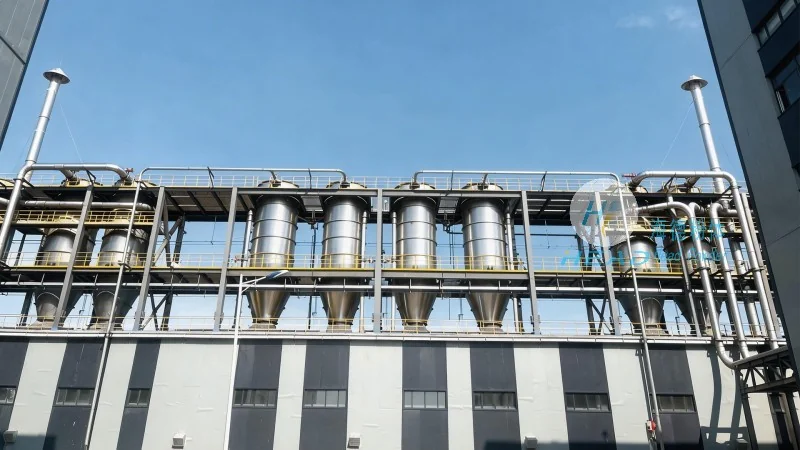
2. Belt Conveyor Systems
Belt conveyor systems are another common approach for transporting phosphate iron, particularly in bulk handling operations. These systems utilize a continuous belt that moves the material from one location to another, often over long distances. The design of the belt conveyor, including the type of belt (e.g., rubber or synthetic), the speed, and the inclination, is critical for handling phosphate iron effectively. HeadPowder's expertise in conveyor system design allows for the selection of the most suitable belt material and configuration to minimize wear and tear from the abrasive nature of phosphate iron. Additionally, the integration of load cells and level sensors in belt conveyor systems enables real-time monitoring of material flow, enhancing operational control and safety.
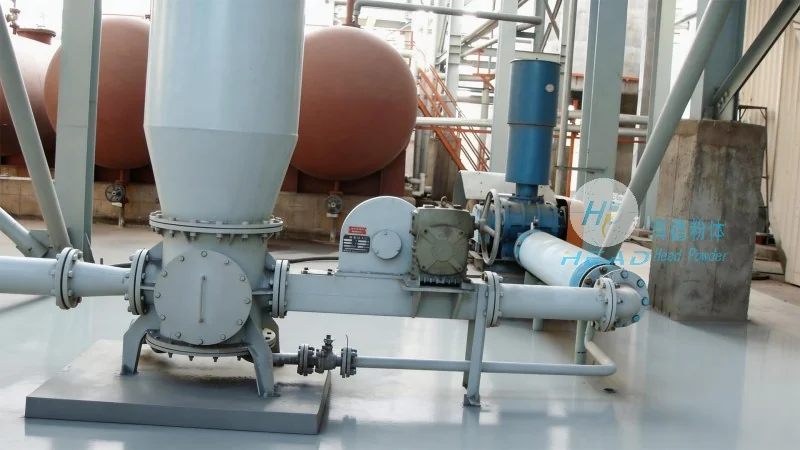
3. Pumping Solutions
Pumping solutions, including slurry pumps and centrifugal pumps, are employed for transporting phosphate iron in liquid or semi-liquid forms. This method is particularly useful when the material is mixed with water or other liquids to create a slurry, which can then be pumped through pipelines or other transport systems. The choice of pump depends on factors such as the viscosity of the slurry, the required flow rate, and the distance to be covered. HeadPowder offers a range of pumping solutions designed to handle the high abrasiveness and corrosive properties of phosphate iron slurries, ensuring reliable operation and minimal maintenance. Proper pump selection and maintenance are essential to prevent equipment failure and ensure consistent material delivery.
4. Bucket Elevators and Vertical Transport
For vertical transport of phosphate iron, bucket elevators are often utilized. These systems use a series of buckets attached to a belt or chain that moves vertically, lifting the material from lower to higher levels. Bucket elevators are particularly effective for handling bulk materials like phosphate iron, as they can transport large quantities vertically with minimal space requirements. HeadPowder's design and installation of bucket elevators ensure efficient vertical transport, reducing the need for additional horizontal transport infrastructure. The use of durable materials and proper lubrication in bucket elevators helps maintain performance and extends the equipment's service life.
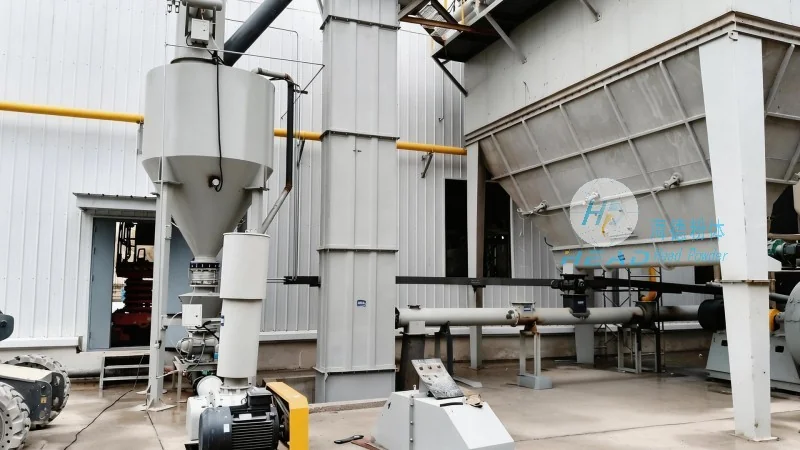
5. Combination of Transport Methods
In many industrial applications, a combination of transport methods is used to optimize the handling of phosphate iron. For example, a pipeline system may be used to transport the material from a storage facility to a processing plant, followed by a belt conveyor to move it to a mixing or packaging area. This integrated approach allows for seamless material flow and reduces the need for manual handling, enhancing overall operational efficiency. HeadPowder's expertise in integrated material handling systems enables the design of customized solutions that combine multiple transport methods to meet specific client requirements. By leveraging the strengths of each transport method, companies can achieve optimal performance and cost-effectiveness in their phosphate iron handling operations.