

[MATIN AIRSLIDE STRUCTURES FOR FERRIC SULFATE PNEUMATIC CONVEYING]
When it comes to the efficient and reliable transport of ferric sulfate, the choice of airslide structures plays a crucial role in optimizing material handling processes. Ferric sulfate, a widely used chemical in water treatment and other industrial applications, requires specialized pneumatic conveying systems to ensure safe and effective movement. This article explores the primary airslide structures utilized in ferric sulfate pneumatic conveying, highlighting their design features, operational benefits, and practical applications.
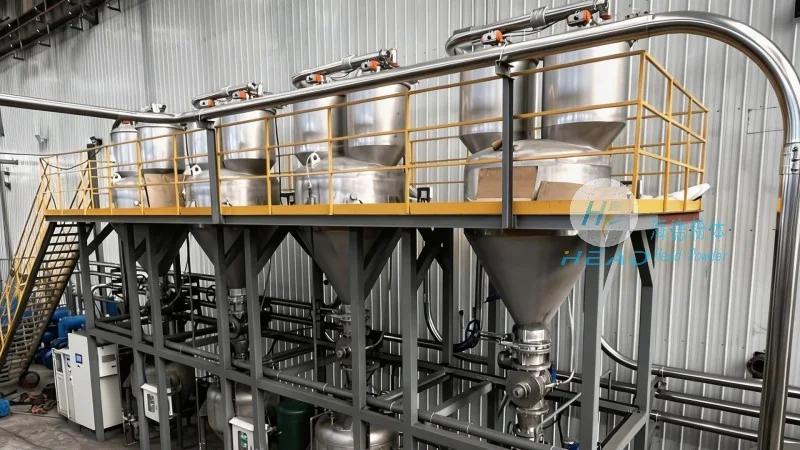
Understanding Ferric Sulfate and Pneumatic Conveying
Ferric sulfate, also known as iron(III) sulfate, is a crystalline compound with the formula Fe₂(SO₄)₃. It is commonly used as a coagulant in water treatment to remove suspended solids and impurities. The handling of this material demands careful consideration of its physical properties, such as its density, flowability, and potential for dust generation. Pneumatic conveying systems, which use air or other gases to transport bulk materials, offer a solution to these challenges by providing a closed-loop, dust-free environment that minimizes material loss and environmental impact.
Core Airslide Structures for Ferric Sulfate Conveying
The primary airslide structures employed in ferric sulfate pneumatic conveying systems are designed to handle the specific characteristics of this chemical. These structures include straight sections, bends, and transition pieces, each serving a distinct purpose in the overall conveying process. The straight sections are typically long, horizontal or slightly inclined, allowing the material to flow smoothly under the influence of air pressure. Bends, often with a radius of 90 degrees or more, are used to change the direction of the material flow while maintaining minimal pressure drop and preventing material degradation. Transition pieces connect different sections of the airslide, ensuring a seamless transition between straight and curved segments.
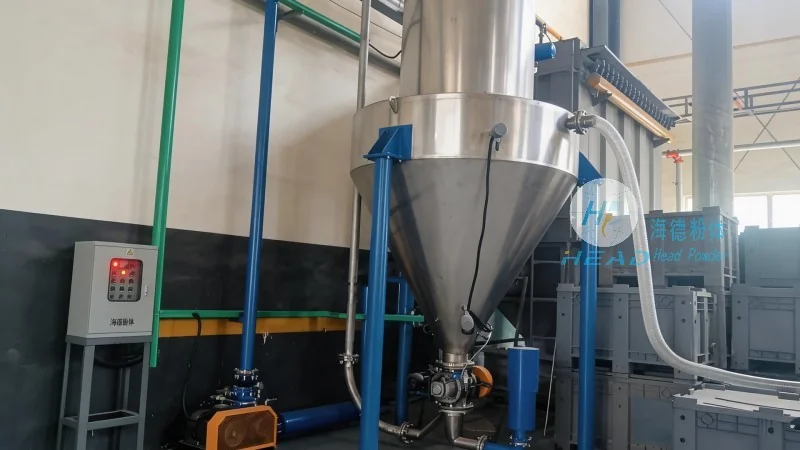
Key Design Considerations for Airslide Structures
The design of airslide structures for ferric sulfate conveying must address several critical factors to ensure optimal performance. Material selection is paramount, as the airslide must withstand the corrosive nature of ferric sulfate and resist wear from repeated material contact. Common materials include stainless steel, which provides excellent resistance to corrosion and abrasion. The surface finish of the airslide is also important, as a smooth, non-stick surface reduces material buildup and prevents clogging. Additionally, the airslide's inclination angle is carefully calculated to balance material flow with air pressure, ensuring efficient transport without excessive energy consumption.
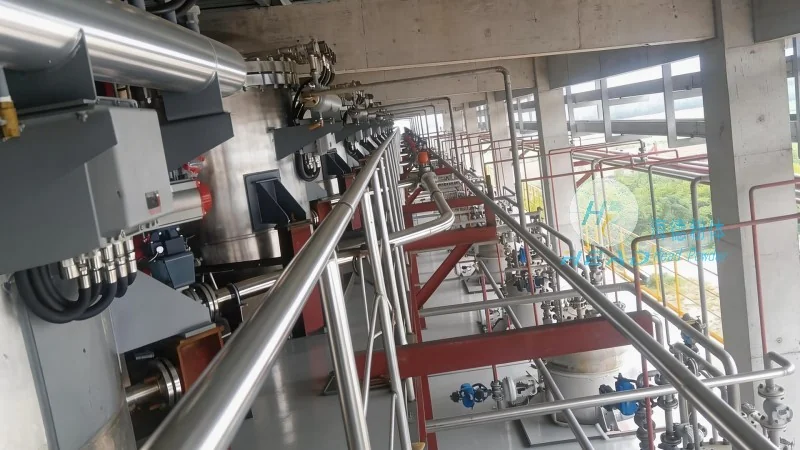
Operational Benefits of Airslide Structures
Implementing airslide structures in ferric sulfate pneumatic conveying systems offers several operational advantages. First, the closed-loop design minimizes dust emissions, improving workplace safety and compliance with environmental regulations. Second, the system's ability to handle high volumes of material efficiently reduces labor costs and increases production throughput. Third, the gentle handling of the material prevents degradation, preserving the quality of ferric sulfate for its intended applications. These benefits make airslide structures a preferred choice for industries relying on ferric sulfate in their processes.
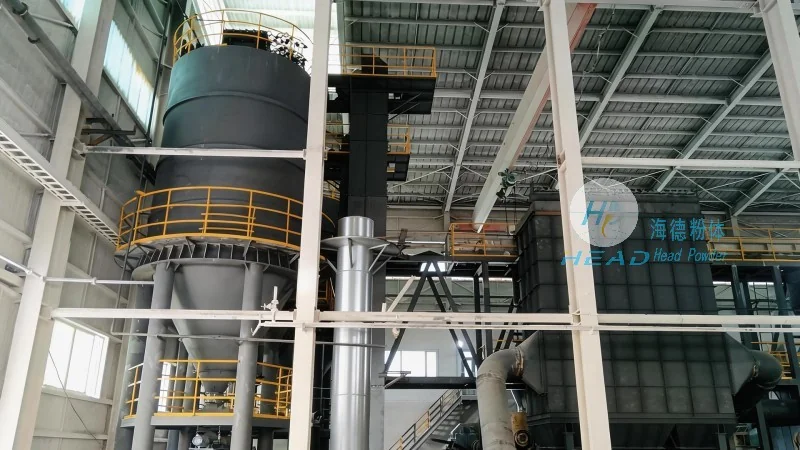
Application Examples and Industry Use Cases
Airslide structures are widely used in various industrial settings where ferric sulfate is a key component. In water treatment plants, for example, these structures are integrated into the coagulation and flocculation stages to transport ferric sulfate from storage tanks to the treatment reactors. In chemical manufacturing facilities, they are employed to move ferric sulfate between processing units, ensuring a continuous flow of material. The versatility of airslide structures allows them to be adapted to different plant layouts and operational requirements, making them a flexible solution for ferric sulfate handling.
Conclusion and Company Overview
Choosing the right airslide structures is essential for the efficient and reliable pneumatic conveying of ferric sulfate. The structures discussed in this article—straight sections, bends, and transition pieces—work together to create a robust system that addresses the unique challenges of handling this chemical. By prioritizing material selection, design optimization, and operational efficiency, industries can achieve improved performance and cost savings. Shandong HeadPowder Engineering Co., Ltd., a leading provider of engineering solutions for bulk material handling, specializes in designing and manufacturing airslide structures tailored to the specific needs of ferric sulfate applications. With a focus on quality and customer satisfaction, HeadPowder offers reliable solutions that enhance the productivity and safety of industrial processes.