

What Are the Main Pneumatic Conveying Structures for Cement Additives?
For industrial applications involving the transport of cement additives, selecting the appropriate pneumatic conveying structure is crucial for efficiency and reliability. The main structures used in the industry are designed to handle various types of additives, ensuring smooth and consistent material flow. This article explores the key pneumatic conveying structures commonly employed in the cement additive sector, highlighting their functionalities and operational advantages.
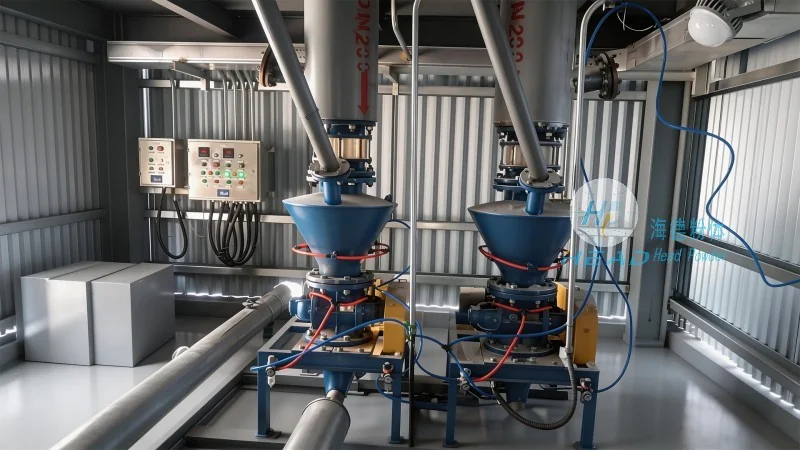
Positive Pressure Pneumatic Conveying Systems
Positive pressure systems are widely used for transporting cement additives due to their ability to handle a broad range of materials, including powders and granules. In this system, air is supplied under pressure to the conveying line, creating a positive pressure environment that pushes the material forward. The primary components include a blower, a hopper for material storage, and a pipeline network. These systems are particularly effective for short to medium-distance transport and can handle high material loads. The design ensures minimal material degradation and reduces the risk of blockages, making them suitable for sensitive additives like color pigments or chemical admixtures. The positive pressure approach also allows for easy integration with existing production lines, enhancing operational flexibility.
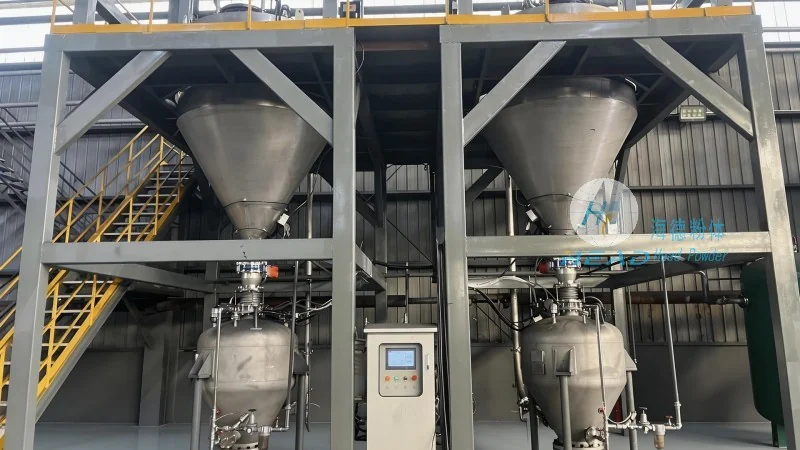
Negative Pressure Pneumatic Conveying Systems
Negative pressure systems operate by creating a vacuum in the conveying line, drawing material from the source into the system. This method is ideal for applications requiring clean and dust-free environments, as the system collects material from the source without exposing it to external air. The key components include a vacuum pump, a filter to capture fine particles, and a collection hopper. Negative pressure systems are commonly used for long-distance transport and for handling materials that are prone to dust generation. They are particularly beneficial for transporting additives that require strict contamination control, such as high-purity chemical additives or fine powders. The vacuum design minimizes the risk of material spillage and ensures a controlled flow, which is essential for maintaining product quality.
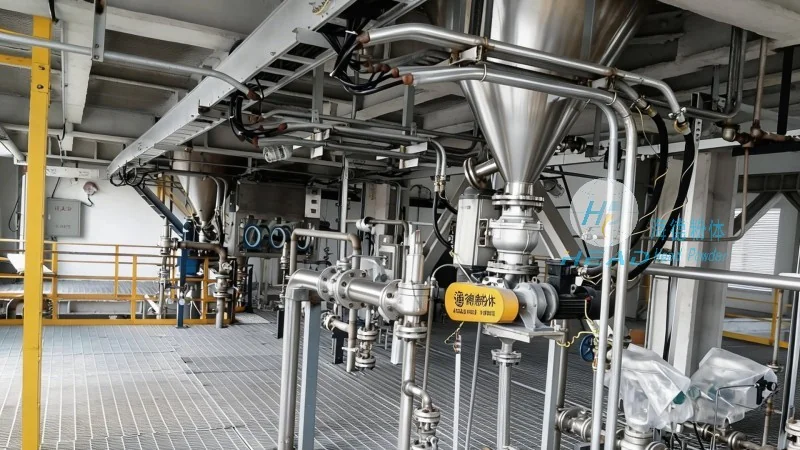
Mixed-Pressure Pneumatic Conveying Systems
Mixed-pressure systems combine elements of both positive and negative pressure, offering a versatile solution for complex transport requirements. These systems use a combination of a blower and a vacuum pump to manage the conveying process. The design allows for flexible operation, enabling the system to switch between positive and negative pressure modes as needed. This adaptability is advantageous for transporting additives that vary in size or density, or for applications involving multiple material sources. Mixed-pressure systems are often used in large-scale cement production facilities where different additives need to be transported to various locations. The integration of both pressure types ensures efficient material handling while maintaining control over the conveying process, reducing operational downtime and improving overall productivity.
Key Factors in Selecting the Right Pneumatic Conveying Structure
When choosing a pneumatic conveying structure for cement additives, several factors must be considered to ensure optimal performance. The first is the material characteristics, including particle size, density, and moisture content. These properties influence the system's design, as different materials may require specific pressure levels or pipeline diameters. The second factor is the distance and layout of the transport route, as this determines whether a positive, negative, or mixed-pressure system is most suitable. Additionally, the required flow rate and material throughput are critical, as they affect the capacity of the blower or vacuum pump. Environmental considerations, such as dust control and noise reduction, also play a role, especially in industrial settings where compliance with regulations is essential. The choice of system should align with the specific needs of the cement production process, balancing efficiency with cost-effectiveness and operational safety.
Conclusion
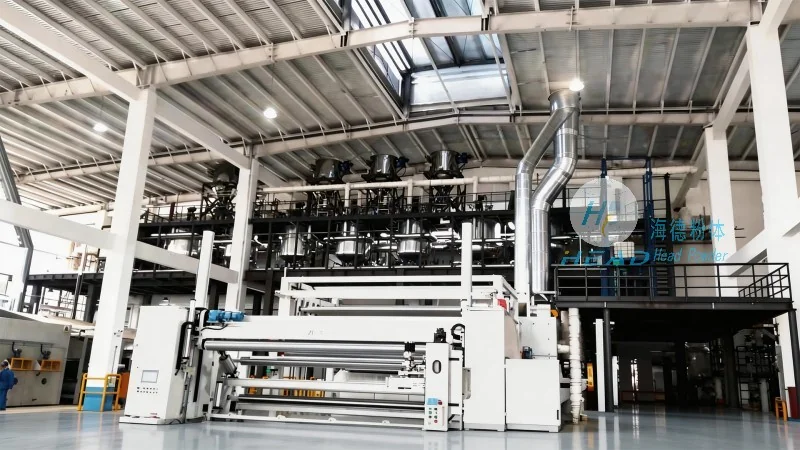
In conclusion, the main pneumatic conveying structures for cement additives—positive pressure, negative pressure, and mixed-pressure systems—each offer unique advantages and are selected based on specific operational requirements. Positive pressure systems excel in handling diverse materials and short to medium distances, while negative pressure systems are ideal for clean and long-distance transport. Mixed-pressure systems provide flexibility for complex applications. By understanding the characteristics of these structures and considering factors like material properties, transport distance, and environmental needs, cement manufacturers can select the most appropriate system to ensure efficient and reliable transport of additives. This approach enhances production efficiency, maintains product quality, and supports the overall success of cement additive applications.