

Main Structures in Biomass Pellet Pneumatic Conveying Systems
Understanding the key structures in biomass pellet pneumatic conveying systems is crucial for optimizing material handling efficiency and ensuring reliable operation in industrial applications. These systems are integral to the processing and transportation of biomass pellets, which are widely used as a renewable energy source and raw material in various industries.
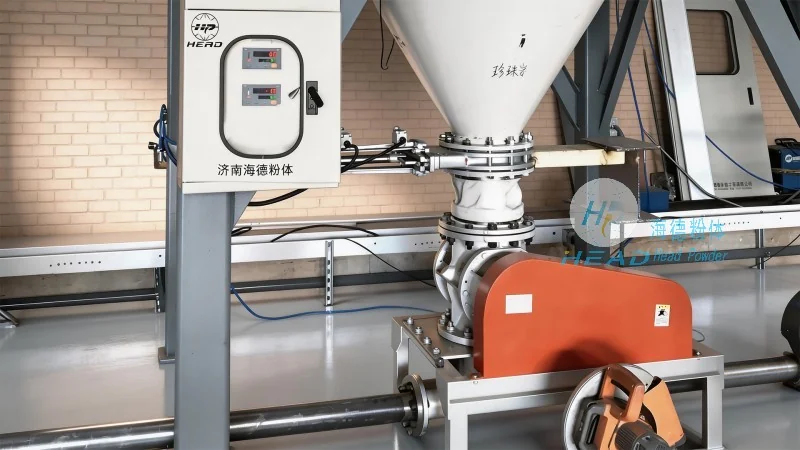
About Shandong HeadPowder Engineering Co., Ltd.
Shandong HeadPowder Engineering Co., Ltd., commonly known as HeadPowder, is a leading provider of advanced pneumatic conveying solutions tailored for biomass pellet applications. With a focus on innovation and engineering excellence, the company has established itself as a trusted partner in the development and implementation of efficient material handling systems for renewable energy and industrial sectors. HeadPowder's expertise lies in designing and manufacturing components that enhance the performance, reliability, and sustainability of biomass pellet transportation processes.
Key Structures in Biomass Pellet Pneumatic Conveying Systems
The core components of a biomass pellet pneumatic conveying system include several critical structures that work in tandem to ensure smooth material flow and system performance. These structures are designed to handle the unique characteristics of biomass pellets, such as their size, density, and moisture content, while maintaining operational efficiency and minimizing downtime. The primary structures typically consist of the following:
1. Material Feeding and Conditioning Structures
The material feeding and conditioning structure is the initial stage of the pneumatic conveying process, responsible for preparing the biomass pellets for transport. This structure includes components like hoppers, feeders, and conditioning equipment. Hoppers are used to store and feed the biomass pellets into the system, while feeders regulate the flow rate to maintain consistent material delivery. Conditioning equipment, such as pre-driers or pre-screeners, may be incorporated to adjust the pellet properties, ensuring they are suitable for pneumatic transport. Proper conditioning helps prevent blockages and improves the overall efficiency of the conveying process.
2. Conveying Ducts and Pipelines
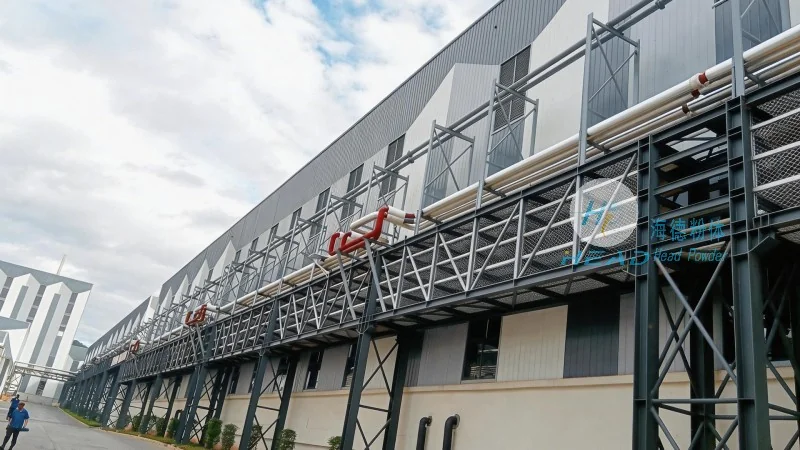
The conveying ducts and pipelines form the backbone of the pneumatic conveying system, responsible for transporting the biomass pellets from the feeding point to the discharge point. These ducts are typically made of materials like stainless steel or plastic, chosen for their durability and resistance to corrosion and wear. The design of the ducts, including their diameter, length, and layout, is critical to maintaining the velocity of the air-pellet mixture and preventing material deposition or blockages. Properly sized and configured ducts ensure that the pellets are conveyed efficiently and without excessive pressure drop, which can lead to system inefficiencies.
3. Air Supply and Control Structures
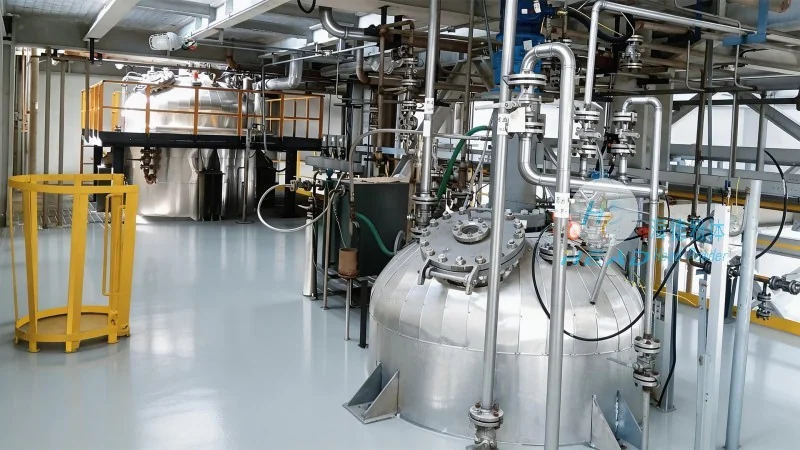
The air supply and control structures are essential for generating the necessary airflow to move the biomass pellets through the system. This includes components like blowers, fans, and air compressors, along with control valves and regulators. The blower or fan provides the motive force, creating a pressure differential that propels the pellets forward. Control structures, such as pressure sensors and flow meters, monitor the system's performance and adjust the airflow as needed to maintain optimal conveying conditions. Proper air supply management is crucial for preventing energy waste and ensuring consistent material transport.
4. Separation and Cleaning Structures
Separation and cleaning structures are used to separate the biomass pellets from the air stream and maintain system cleanliness. These components include cyclones, filters, and dust collectors. Cyclones use centrifugal force to separate the pellets from the air, allowing the pellets to be discharged while the air is recirculated or vented. Filters and dust collectors remove any fine particles or debris from the air, preventing contamination and ensuring compliance with environmental regulations. Regular maintenance of these structures is essential to maintain their efficiency and prevent system downtime.
5. Discharge and Storage Structures
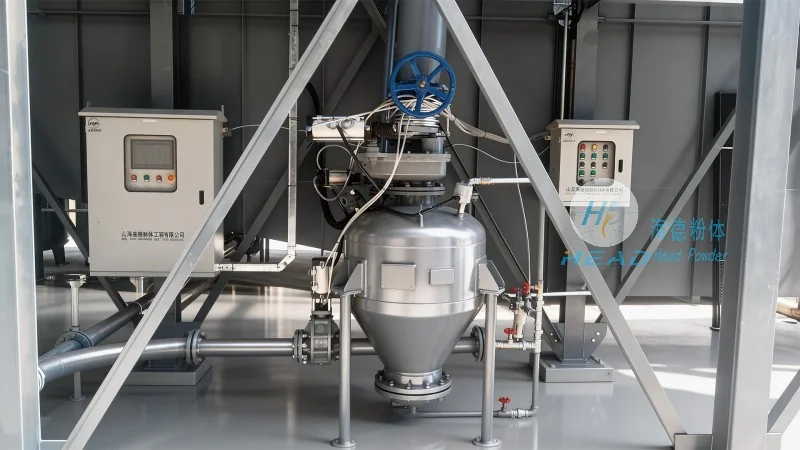
The discharge and storage structures are the final stage of the pneumatic conveying system, responsible for delivering the biomass pellets to their destination and storing them for further use. This includes components like discharge hoppers, silos, and transfer points. Discharge hoppers are designed to safely release the pellets from the system, while silos provide storage capacity for bulk handling. Transfer points, such as rotary valves or gate valves, control the flow of pellets to downstream processes or storage areas. Proper design of these structures ensures that the pellets are discharged without spillage or loss, maintaining product quality and operational efficiency.
Conclusion: Enhancing Biomass Pellet Handling with Advanced Structures
Shandong HeadPowder Engineering Co., Ltd. specializes in designing and manufacturing comprehensive biomass pellet pneumatic conveying structures that address the unique challenges of material handling in renewable energy and industrial applications. By integrating advanced components and engineering solutions, HeadPowder ensures that its systems deliver optimal performance, reliability, and sustainability. The key structures discussed, including feeding, conveying, air control, separation, and discharge systems, work together to create efficient and effective biomass pellet transportation solutions. With a focus on innovation and customer satisfaction, HeadPowder continues to lead the industry in providing high-quality pneumatic conveying structures for biomass pellet applications.