

Introduction to and Structural Principles of Glass Fiber Powder Pneumatic Conveying Systems
Glass fiber powder, a critical material in numerous industrial applications, demands efficient and reliable handling systems to ensure optimal performance and safety. The pneumatic conveying system for glass fiber powder is a specialized solution designed to transport these fine powders through a pressurized or vacuum environment. This article provides an overview of the system's structure and operational principles, highlighting its importance in modern material handling processes.
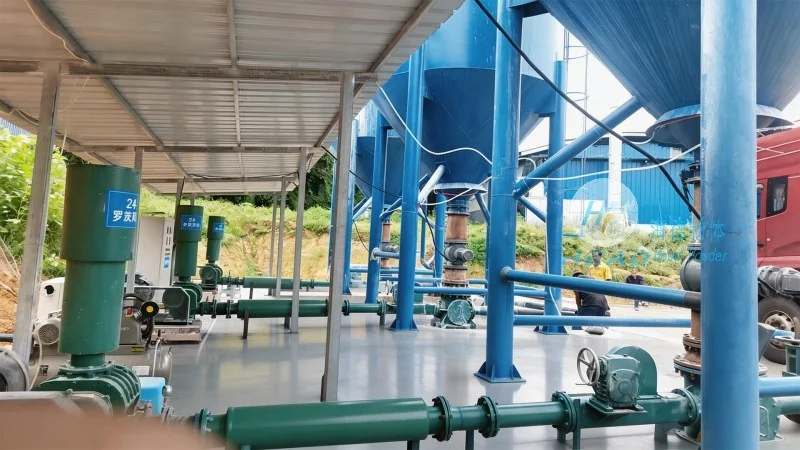
Overview of Pneumatic Conveying Systems for Glass Fiber Powder
Pneumatic conveying systems are widely utilized in the handling of fine powders, including glass fiber, due to their ability to transport materials without direct contact with mechanical components. These systems leverage air or gas to move the powder through a pipeline network, offering advantages such as reduced contamination, lower maintenance requirements, and improved process control. For glass fiber powder—which is often abrasive and can cause wear on traditional equipment—specialized designs are essential to ensure long-term operational efficiency.
Company Introduction: Shandong HeadPowder Engineering Co., Ltd.
HeadPowder, operating under the full name Shandong HeadPowder Engineering Co., Ltd., is a leading provider of advanced material handling solutions. With a focus on innovation and customer-centric design, the company specializes in developing customized pneumatic conveying systems tailored to the unique needs of glass fiber powder applications. HeadPowder's expertise lies in integrating cutting-edge technology with robust engineering to deliver systems that meet the highest standards of performance and reliability. The company is headquartered in Shandong, China, where it leverages local resources and industry knowledge to support its global clientele.
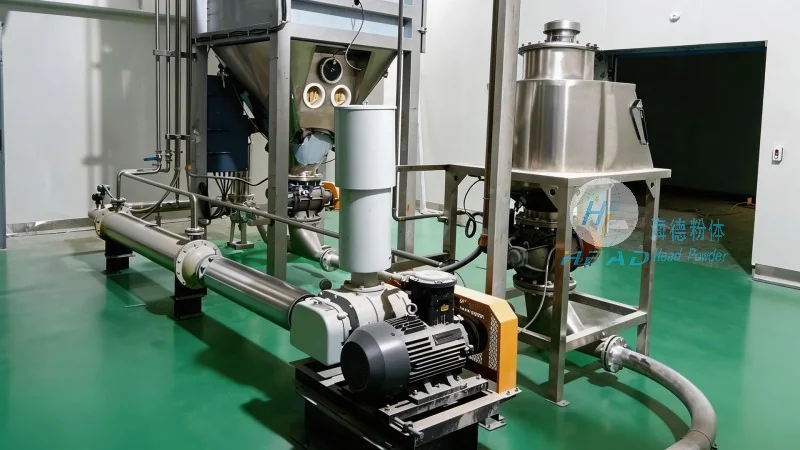
Structural Components and Operational Principles
The glass fiber powder pneumatic conveying system typically comprises several key components, each playing a critical role in the overall operation. The main elements include a material feed hopper, a conveying line (either positive pressure or negative pressure), a separator or filter to prevent material loss, and a discharge unit. The feed hopper is designed to store and meter the glass fiber powder, ensuring a consistent flow rate into the system. The conveying line, which may be constructed from corrosion-resistant materials like stainless steel or specialized polymers, transports the powder through the system under controlled pressure or vacuum conditions.
The operational principle of the system involves the introduction of air or gas into the conveying line, creating a flow that lifts and transports the glass fiber powder particles. In positive pressure systems, compressed air is used to push the material through the pipeline, while negative pressure systems utilize suction to draw the powder from the source. The choice between these systems depends on factors such as the distance of transport, the material's properties, and the required flow rate. The separator or filter at the end of the line ensures that any fine particles are captured, preventing contamination and maintaining system efficiency. This component is crucial for maintaining the purity of the glass fiber powder and protecting downstream equipment from wear and damage.
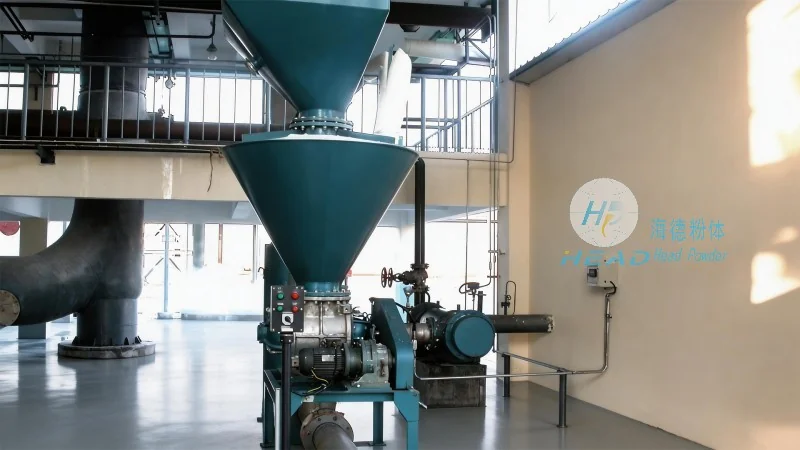
Technical Advantages and Application Benefits
Implementing a pneumatic conveying system for glass fiber powder offers several technical advantages that enhance operational performance. One of the primary benefits is the reduction of material degradation, as the system minimizes direct contact with mechanical parts, which can cause abrasion or attrition. This is particularly important for glass fiber powder, where maintaining the fiber length and integrity is critical for end-product quality. Additionally, the system provides better process control, allowing for precise adjustment of flow rates and pressure, which helps in optimizing production efficiency and reducing waste.
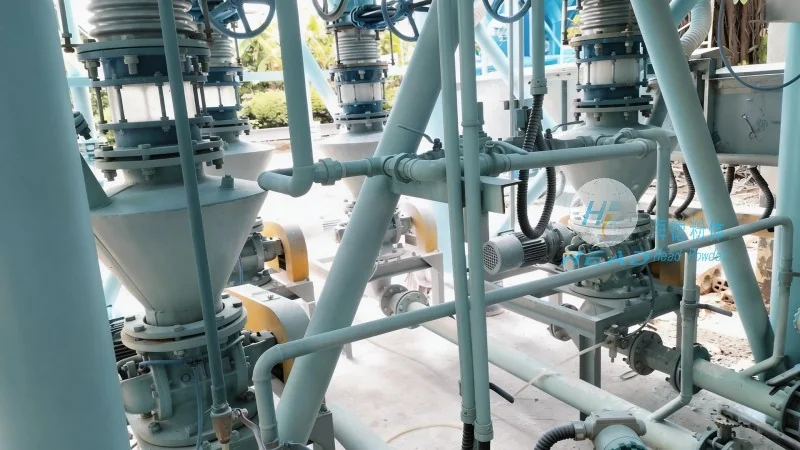
Another key advantage is the improved safety and hygiene. Pneumatic conveying systems eliminate the need for manual handling of fine powders, reducing the risk of dust exposure and contamination. This is especially beneficial in applications where the glass fiber powder is used in food, pharmaceutical, or high-purity manufacturing processes. The enclosed system design also helps in preventing dust emissions, contributing to a cleaner working environment and compliance with environmental regulations.
Conclusion
For industries relying on glass fiber powder, the pneumatic conveying system represents a reliable and efficient solution for material handling. By understanding the structural components and operational principles, as well as the technical advantages offered by such systems, businesses can make informed decisions to enhance their production processes. Shandong HeadPowder Engineering Co., Ltd. continues to lead in the development of advanced pneumatic conveying systems, providing tailored solutions that meet the specific demands of glass fiber powder applications. With its expertise and commitment to quality, HeadPowder remains a trusted partner for companies seeking to optimize their material handling operations.