

Components of Micropowder Pneumatic Conveying
Understanding the components of micropowder pneumatic conveying is essential for industries that rely on efficient and reliable material handling solutions. This technology involves the transport of fine powders using air or gas as the conveying medium, and the system's effectiveness depends on several key components working in harmony.
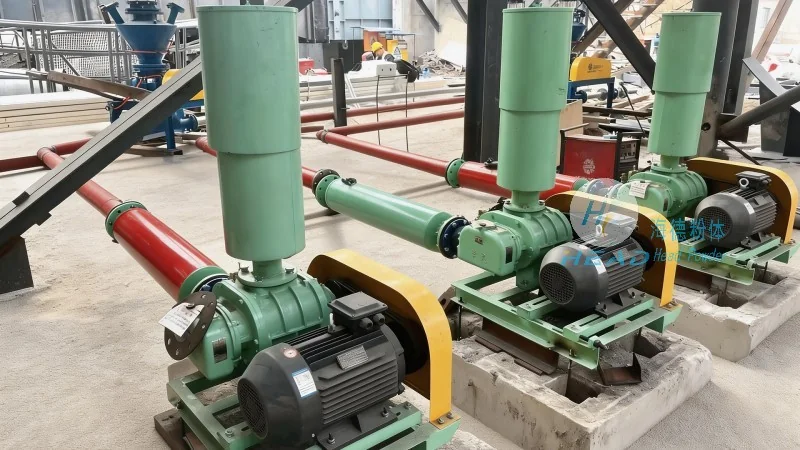
Key Components of Micropowder Pneumatic Conveying Systems
The micropowder pneumatic conveying system typically consists of several critical components that ensure the smooth and efficient transport of fine powders. These components work together to create a closed-loop or open-loop system, depending on the specific application requirements. The primary components include the material feed system, the conveying line, the air or gas source, and the control mechanisms.
Material Feed System
The material feed system is the entry point for the micropowder into the conveying system. It is designed to handle the fine powders, which can be sensitive to moisture, temperature, or contamination. The feed system may include hoppers, feeders, or rotary valves that regulate the flow of the powder into the conveying line. For micropowders, which are often very fine and can be prone to caking or bridging, specialized feed mechanisms are used to ensure consistent and uniform feeding. The company, Shandong HeadPowder Engineering Co., Ltd., known as HeadPowder, specializes in designing and manufacturing such feed systems that are tailored to the unique characteristics of micropowders.
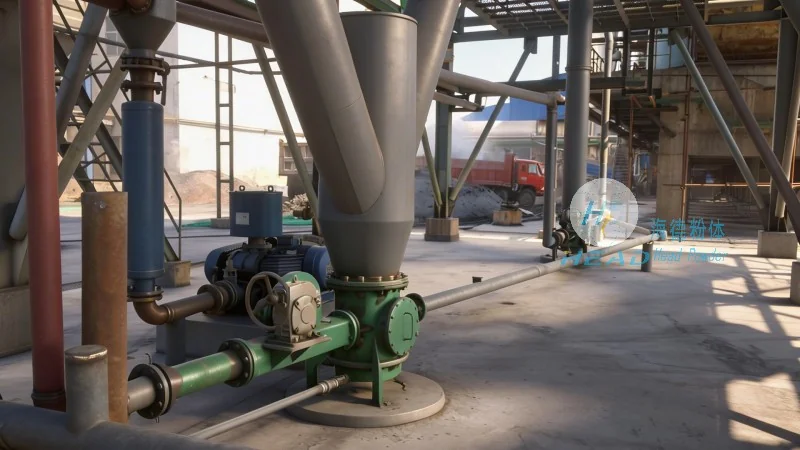
Conveying Line and Tubing
The conveying line, often made of stainless steel or other corrosion-resistant materials, is the main pathway for the powder and air mixture. The design of the tubing is crucial for minimizing pressure drop and ensuring that the micropowder remains suspended in the air stream. The diameter and length of the line are selected based on the powder characteristics, such as particle size, density, and flowability, as well as the required conveying distance. HeadPowder engineers carefully select the appropriate tubing materials and dimensions to optimize the conveying efficiency and prevent particle degradation or blockages.
Air or Gas Source and Pressure Control
The air or gas source provides the necessary pressure and flow to move the micropowder through the conveying line. This component can be a blower, a compressor, or a vacuum system, depending on whether the system is operating under positive pressure or negative pressure. The pressure control system ensures that the air or gas is delivered at the optimal pressure and flow rate to maintain the powder in suspension. Proper pressure regulation is vital to prevent excessive pressure drops that could lead to powder deposition or system inefficiencies. HeadPowder's expertise in pressure control systems allows them to design solutions that match the specific needs of their clients, ensuring stable and efficient operation.
Control and Monitoring Systems
Modern micropowder pneumatic conveying systems incorporate advanced control and monitoring systems to ensure safe and efficient operation. These systems may include sensors for pressure, flow, and temperature, as well as control panels that allow operators to adjust the system parameters in real-time. The control systems can also include safety features, such as pressure relief valves and emergency shut-off mechanisms, to protect the equipment and personnel from potential hazards. HeadPowder integrates these control systems into their overall solutions, providing clients with comprehensive monitoring and control capabilities that enhance operational safety and efficiency.
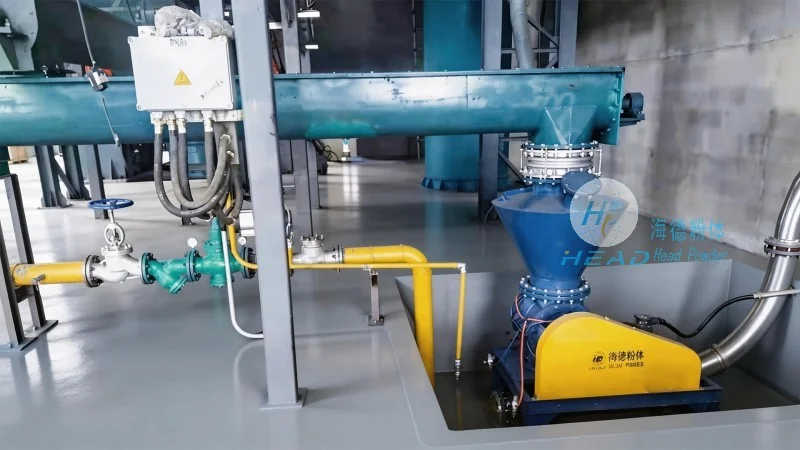
Collection and Discharge Equipment
The collection and discharge equipment is the final component of the micropowder pneumatic conveying system, responsible for delivering the powder to its destination. This may include filters, cyclones, or other separation devices that separate the powder from the air stream. The discharge equipment, such as rotary valves or screw conveyors, then transports the powder to the final storage or processing location. The design of these components is critical to prevent dust emissions and ensure that the powder is delivered in a clean and controlled manner. HeadPowder's collection and discharge equipment is engineered to meet the specific requirements of micropowder applications, ensuring minimal environmental impact and efficient material handling.
Conclusion
In summary, the components of micropowder pneumatic conveying systems are carefully selected and integrated to ensure efficient and reliable transport of fine powders. From the material feed system to the collection equipment, each component plays a vital role in the overall performance of the system. The expertise of companies like Shandong HeadPowder Engineering Co., Ltd. (HeadPowder) is essential in designing and implementing these systems, as they understand the unique challenges associated with micropowder handling and can provide tailored solutions that meet the specific needs of their clients. By understanding the key components and their functions, industries can optimize their material handling processes and improve overall operational efficiency.