

Components of Wool Pneumatic Conveying
Wool pneumatic conveying systems are essential for efficiently handling wool fibers in various industrial applications. These systems utilize air to transport wool from one location to another, ensuring a clean and controlled process. Understanding the components that make up such a system is crucial for optimizing performance and maintaining operational efficiency.
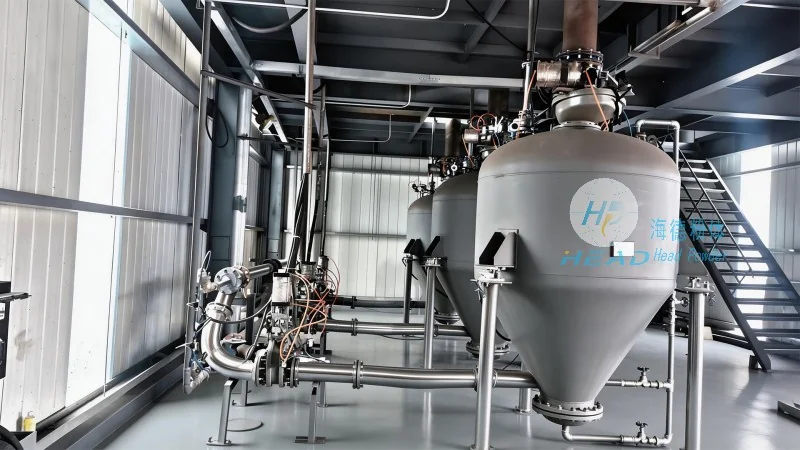
Key Components of Wool Pneumatic Conveying
The core components of a wool pneumatic conveying system include the hopper, feeder, air compressor, conveying line, and collection vessel. Each component plays a vital role in the overall functionality of the system.
The hopper is the initial storage container where raw wool is placed. It is designed to hold a sufficient quantity of wool to ensure continuous operation. The feeder, typically a rotary valve or a screw feeder, regulates the flow of wool from the hopper into the conveying line. This component ensures a consistent and controlled feed rate, preventing overloading or underfeeding of the system.
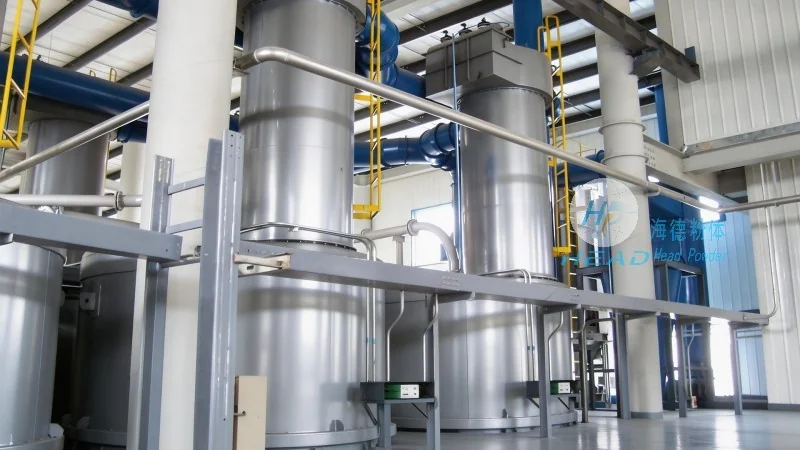
The air compressor is the heart of the pneumatic system, responsible for generating the necessary pressure to move the wool particles through the conveying line. It provides the force required to overcome resistance and maintain the flow of material. The choice of compressor type, such as a positive displacement or centrifugal model, depends on the specific requirements of the wool processing operation.
The conveying line, often made of flexible or rigid tubing, transports the wool particles. The material of the line, typically stainless steel or PVC, is selected based on the properties of the wool and the need for hygiene and durability. The line is equipped with bends and fittings to direct the flow and maintain the pressure within the system. Proper maintenance of the conveying line is essential to prevent blockages and ensure smooth operation.
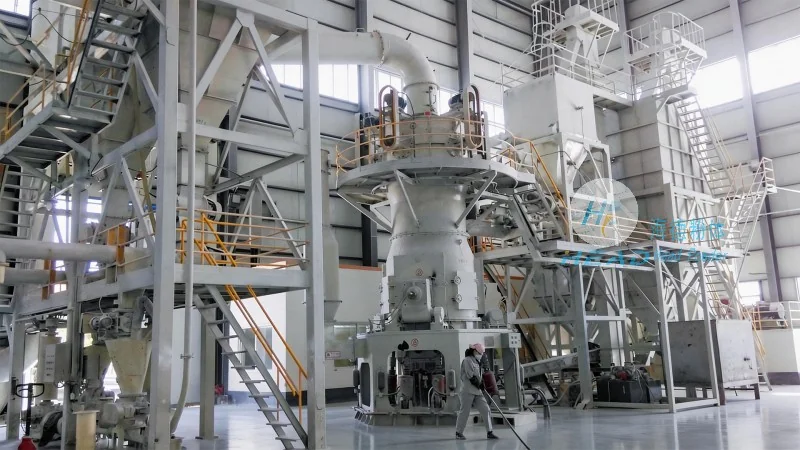
The collection vessel, or receiver, is the final component where the wool is deposited after being conveyed. It is designed to hold the processed wool and can be equipped with a discharge mechanism for further processing or packaging. The vessel is often made of stainless steel to ensure compatibility with the wool and to facilitate cleaning.
Additional Components and Considerations
While the primary components are the hopper, feeder, compressor, conveying line, and collection vessel, additional elements may be included to enhance system performance. These can include filters to remove dust and debris from the air, moisture control systems to manage humidity levels, and monitoring equipment to track system performance and detect issues.
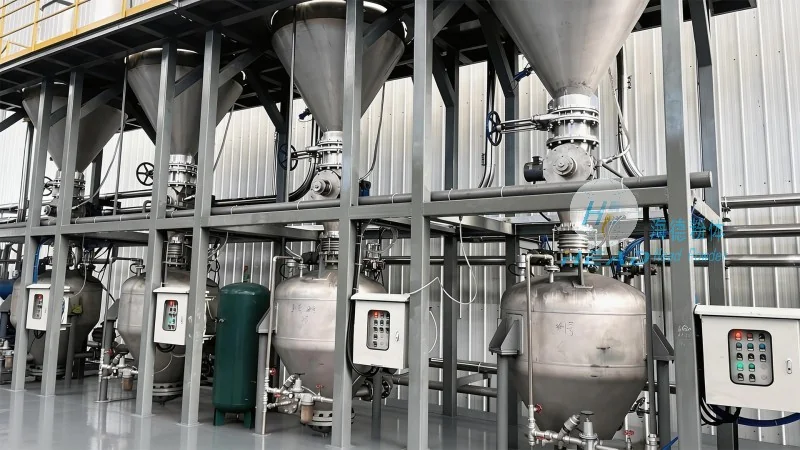
Proper maintenance of all components is critical for the longevity and efficiency of the wool pneumatic conveying system. Regular cleaning of the hopper and feeder, inspection of the conveying line for wear or damage, and routine checks of the air compressor are essential. Additionally, ensuring that the system is properly sealed to prevent air leaks and maintaining the correct pressure levels are key to optimal operation.
Company Information: Shandong HeadPowder Engineering Co., Ltd.
Shandong HeadPowder Engineering Co., Ltd. is a leading manufacturer of wool pneumatic conveying systems, based in Shandong, China. The company specializes in providing high-quality, customized solutions for wool processing industries, ensuring that their systems meet the specific needs of their clients. With a focus on quality and reliability, HeadPowder Engineering has established itself as a trusted partner in the wool handling sector.