

Components of Foam Pneumatic Conveying
Foam pneumatic conveying is a sophisticated method used in material handling and processing industries to transport bulk materials efficiently. This technology combines air and foam to create a stable, low-pressure conveying medium that enables the movement of dry powders and granules over long distances with minimal pressure drop and reduced product degradation. The system is designed to enhance material flow, improve process reliability, and minimize operational costs for various industrial applications.
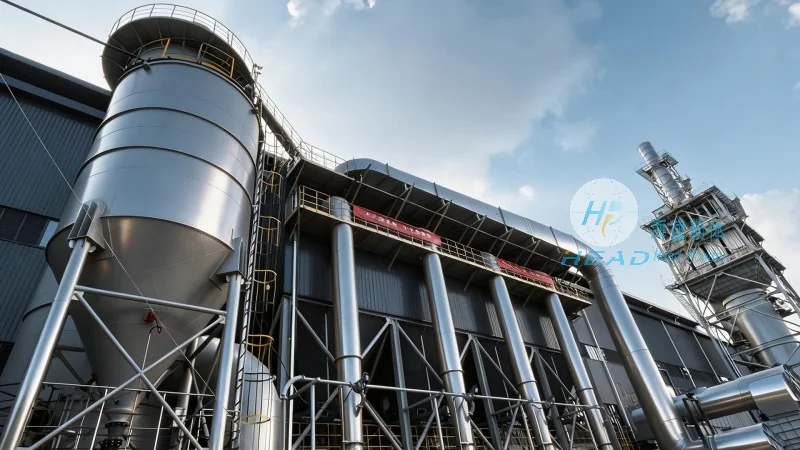
About Shandong HeadPowder Engineering Co., Ltd.
HeadPowder, the professional manufacturer behind these advanced conveying solutions, is a leading company in the field of material handling equipment. With its headquarters in Shandong, China, HeadPowder specializes in the design, development, and manufacturing of foam pneumatic conveying systems tailored to meet diverse industrial needs. The company's commitment to quality, innovation, and customer satisfaction has established it as a trusted partner for businesses seeking reliable and efficient material transport solutions.
Key Components of Foam Pneumatic Conveying Systems
The foam pneumatic conveying system consists of several critical components that work in harmony to achieve effective material transport. These components are meticulously engineered to ensure optimal performance, durability, and safety. The primary elements include:
1. Foam Generator: This is the core component responsible for producing the foam mixture. It typically consists of a high-pressure air source, a liquid feed system (often using water or other suitable liquids), and a mixing chamber. The foam generator creates a stable foam by blending air and liquid under controlled conditions, generating a lightweight, low-density medium that can carry the bulk material.
2. Conveying Line: The conveying line is the main pathway through which the foam and material mixture travels. It is usually made of flexible or rigid tubing, depending on the application requirements. The line is designed to maintain the integrity of the foam and material, preventing breakage or loss of the conveying medium. Proper sizing and material selection of the conveying line are crucial to minimize pressure losses and ensure smooth flow.
3. Material Feed System: The material feed system is responsible for introducing the bulk material into the foam mixture. This component can be a hopper, a screw feeder, or a rotary valve, depending on the material characteristics and flow rate. The feed system ensures a consistent and controlled introduction of the material, preventing blockages or uneven flow that could disrupt the conveying process.
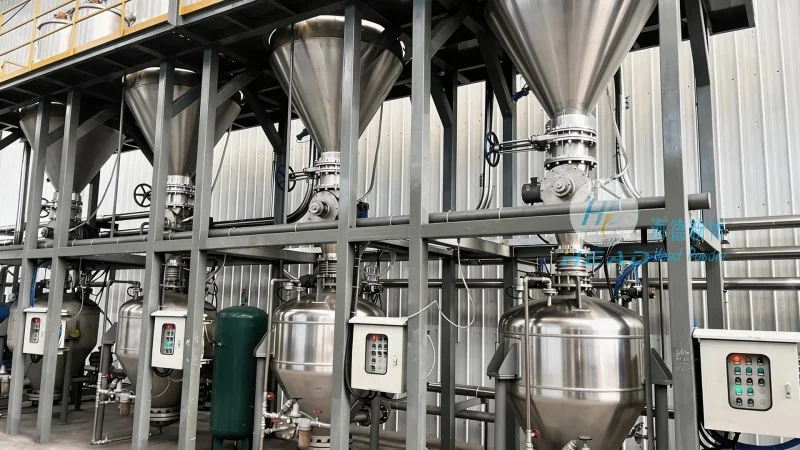
4. Control and Monitoring System: A sophisticated control and monitoring system is integrated into the foam pneumatic conveying setup to regulate the operation and maintain optimal performance. This system typically includes sensors for pressure, flow rate, and foam quality, as well as control valves and a programmable logic controller (PLC). The control system allows operators to adjust parameters such as air pressure, liquid flow, and material feed rate in real-time, ensuring the system operates within safe and efficient parameters.
5. Drying and Recovery Unit (Optional): In some applications, a drying and recovery unit may be included to remove excess moisture from the foam and recover the liquid for reuse. This component is particularly useful in processes where moisture content needs to be controlled or where water conservation is a priority. The unit typically consists of a separator, a drying chamber, and a liquid recovery tank, ensuring minimal waste and efficient operation.
Advantages of Foam Pneumatic Conveying Systems
Foam pneumatic conveying offers several advantages over traditional pneumatic conveying methods, making it an ideal choice for many industrial applications. The key benefits include:
Low Pressure Drop: Unlike conventional high-pressure pneumatic conveying, foam systems operate at much lower pressures, reducing energy consumption and equipment wear. This results in lower operational costs and increased system longevity.
Reduced Product Degradation: The low velocity and gentle handling of the foam medium minimize the risk of product attrition, agglomeration, or contamination. This is particularly beneficial for sensitive materials such as pharmaceuticals, food products, and fine powders.
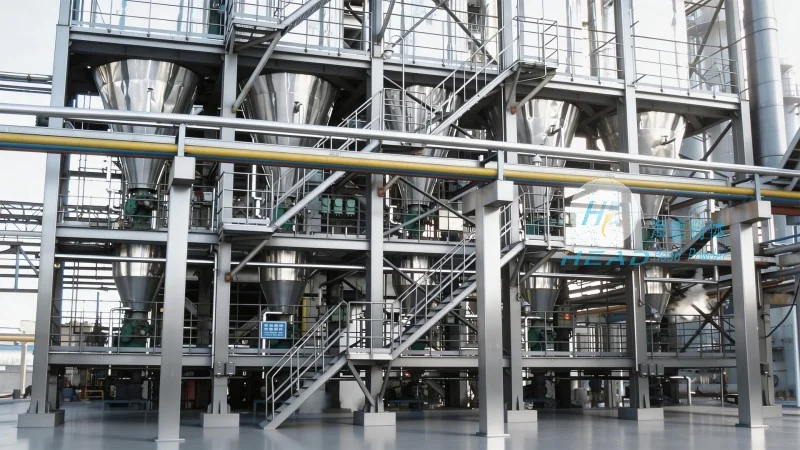
Wide Material Compatibility: Foam pneumatic conveying can handle a broad range of materials, including dry powders, granules, and even some sticky or cohesive substances. The system's flexibility allows it to adapt to various material characteristics and processing requirements.
Long Distance Transport: The stable foam medium enables the transport of materials over long distances with minimal pressure loss, making it suitable for applications where traditional conveying methods may be impractical or inefficient.
Environmental Friendliness: By using water as the primary liquid component, foam systems are more environmentally friendly compared to other conveying methods that may involve hazardous chemicals or high energy consumption. The water can be recycled and reused, reducing waste and operational costs.
Applications of Foam Pneumatic Conveying
The versatility of foam pneumatic conveying makes it suitable for a wide range of industrial applications. Some common uses include:
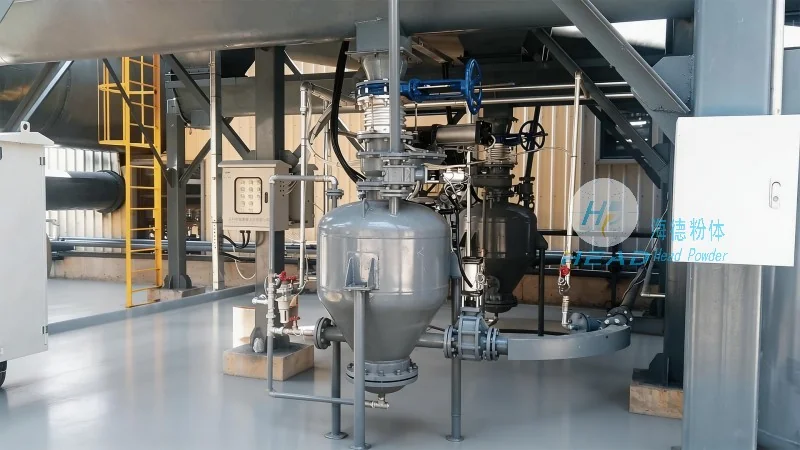
Pharmaceutical Manufacturing: In the pharmaceutical industry, foam conveying is used to transport active pharmaceutical ingredients (APIs), excipients, and finished products with high precision and minimal contamination. The system's gentle handling ensures product quality and compliance with regulatory standards.
Food Processing: Food manufacturers utilize foam pneumatic conveying to transport dry ingredients such as flour, sugar, and spices, as well as processed foods like snacks and cereals. The system's low temperature and gentle handling preserve the nutritional value and taste of the products.
Chemical Processing: The chemical industry uses foam conveying for the transport of various powders and granules, including catalysts, pigments, and specialty chemicals. The system's ability to handle abrasive and corrosive materials makes it a reliable choice for these applications.
Mineral Processing: In mining and mineral processing, foam pneumatic conveying is used to transport raw materials, ore, and byproducts over long distances within the processing plant. The system's efficiency and low maintenance requirements make it cost-effective for large-scale operations.
HeadPowder's Commitment to Quality and Service
Shandong HeadPowder Engineering Co., Ltd. takes pride in its commitment to delivering high-quality foam pneumatic conveying systems that meet the specific needs of its clients. The company's team of experienced engineers and technicians works closely with customers to design and customize systems that optimize material transport, reduce operational costs, and enhance overall process efficiency. HeadPowder provides comprehensive support, including installation, training, and maintenance services, ensuring that clients can maximize the benefits of their conveying systems.