

Components of Dry Powder Pneumatic Conveying
When discussing dry powder pneumatic conveying systems, it's essential to understand the key components that make up a functional and efficient setup. These systems are designed to transport dry powders through a pipeline using air or other gas as the conveying medium. The components work in tandem to ensure reliable material handling, from the initial feeding stage to the final discharge point.
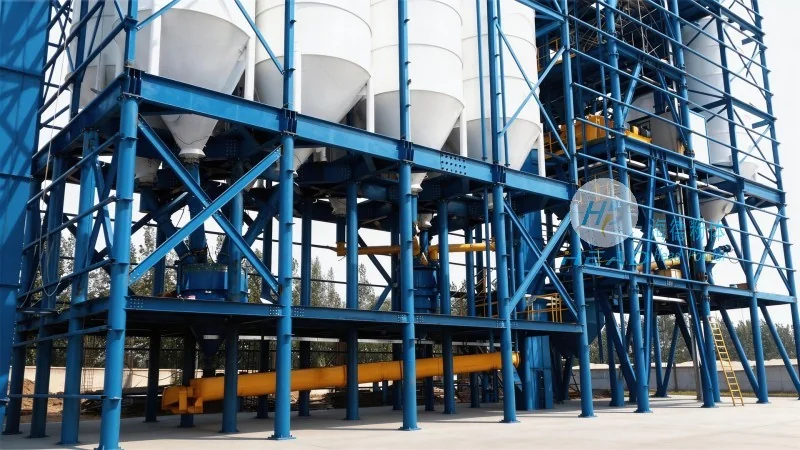
Core System Components
The primary components of a dry powder pneumatic conveying system typically include the following elements, each playing a critical role in the overall operation:
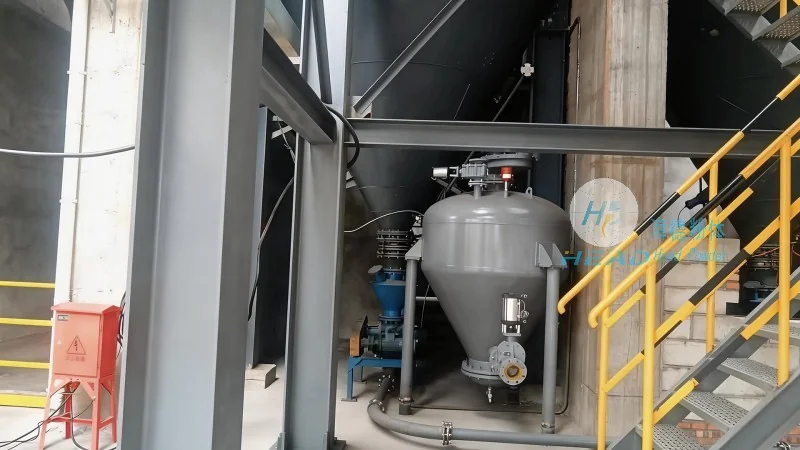
- Pneumatic Conveying Hopper: This is the starting point where the dry powder is stored and fed into the system. It often features a hopper design to maintain a consistent material level and facilitate smooth feeding.
- Pneumatic Conveying Pump (or Airlock): This component is responsible for creating the necessary pressure or vacuum to move the powder through the pipeline. It can be a rotary airlock, rotary valve, or other types of feeders that control the flow rate and ensure a steady supply of material.
- Pneumatic Conveying Pipeline: The pipeline serves as the main transport channel for the powder and air mixture. It must be constructed from materials that are compatible with the conveyed powder, such as stainless steel or other corrosion-resistant options, to prevent contamination and ensure durability.
- Pneumatic Conveying Receiver: At the end of the pipeline, the receiver collects the conveyed powder. It may include a hopper or storage tank to hold the material until it is further processed or used.
- Pneumatic Conveying Control System: This system monitors and regulates the operation of the entire conveying process. It includes sensors, valves, and control panels that adjust air pressure, flow rates, and other parameters to maintain optimal performance and prevent system failures.
Additional Supporting Equipment
Beyond the core components, several auxiliary equipment pieces are often integrated into dry powder pneumatic conveying systems to enhance efficiency and reliability:
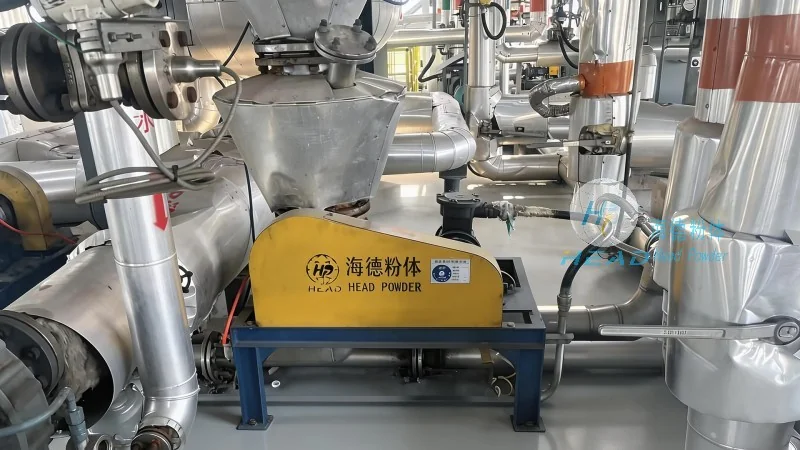
- Pneumatic Conveying Filters: These are crucial for maintaining air quality and preventing dust contamination. Filters capture fine particles from the exhaust air, ensuring compliance with environmental regulations and protecting downstream equipment.
- Pneumatic Conveying Blowers or Compressors: These provide the necessary air pressure or vacuum to drive the conveying process. The choice of equipment depends on the system's requirements, such as the distance to be covered and the material's characteristics.
- Pneumatic Conveying Dampers and Valves: These components control the flow of air and powder within the system, allowing for adjustments to the conveying rate and direction. They help manage pressure differentials and prevent backflow or blockages.
- Pneumatic Conveying Silos or Storage Tanks: These are used for storing the dry powder before it is fed into the conveying system. They may include features like agitators or level sensors to ensure consistent material flow.
System Integration and Customization
Dry powder pneumatic conveying systems are often customized to meet specific application requirements. The components may vary based on factors such as the type of powder (e.g., fine, abrasive, or hygroscopic), the distance of transport, and the desired throughput. Professional engineering and design are essential to ensure that the system operates efficiently and safely.
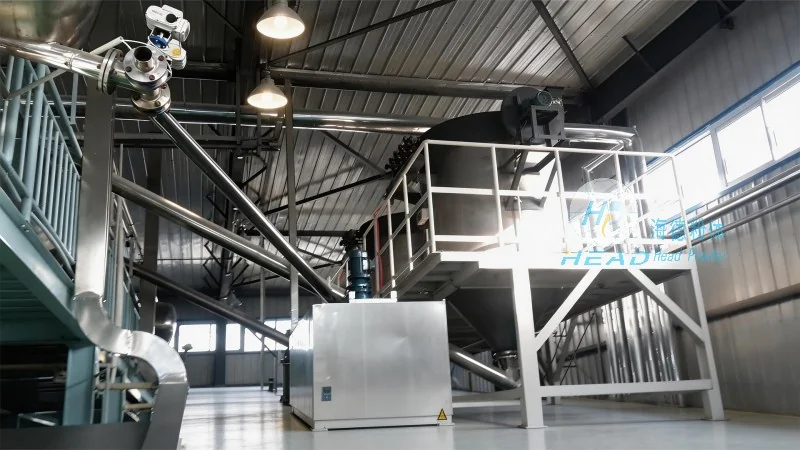
About Shandong HeadPowder Engineering Co., Ltd.
Shandong HeadPowder Engineering Co., Ltd., commonly known as HeadPowder, is a leading provider of dry powder pneumatic conveying solutions. With a focus on innovation and quality, the company specializes in designing and manufacturing comprehensive systems tailored to the needs of various industries, including food, pharmaceuticals, chemicals, and more. HeadPowder's expertise in material handling and pneumatic conveying technology ensures that clients receive reliable, efficient, and cost-effective solutions for their powder transport challenges.