

Components of Pumice Sand Pneumatic Conveying
When it comes to understanding the core components of a pumice sand pneumatic conveying system, it's essential to recognize the key elements that ensure efficient and reliable material transport. This system, commonly used in industrial applications involving pumice sand, relies on a combination of specialized equipment and components designed to handle the unique properties of this lightweight, abrasive material.
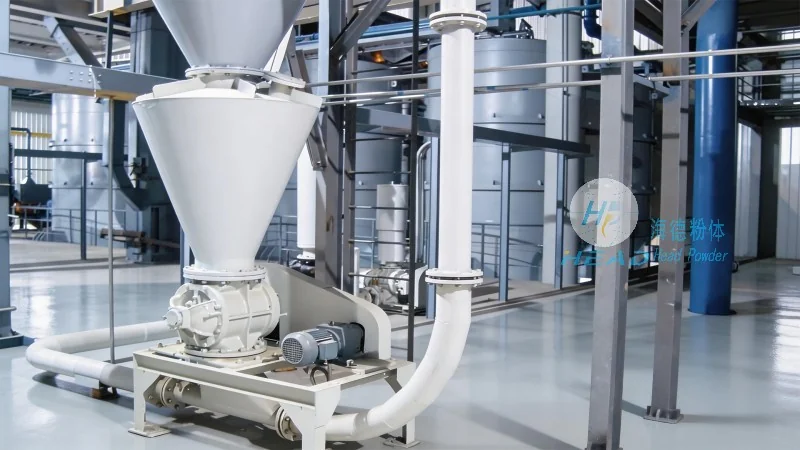
Pumice Sand Pneumatic Conveying System Overview
The pumice sand pneumatic conveying system is a closed-loop or open-loop system that uses compressed air or other gases to transport pumice sand from a source to a destination. The system's design is tailored to the specific characteristics of pumice sand, such as its low density, high porosity, and abrasive nature, ensuring optimal performance and minimal wear on equipment.
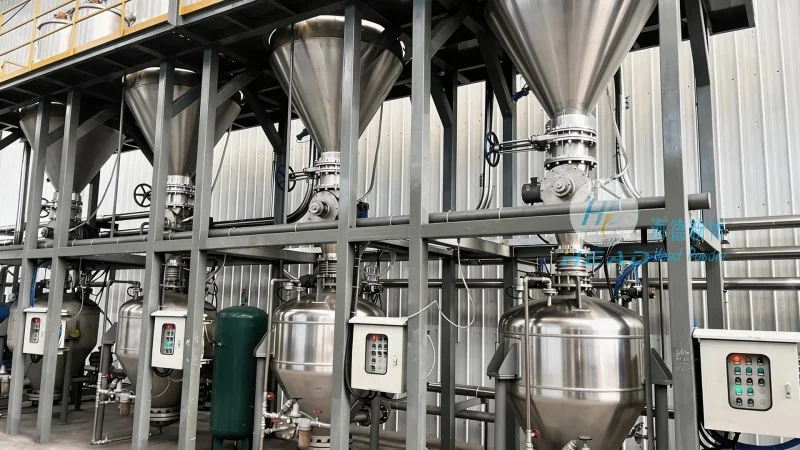
Key Components of the Pumice Sand Pneumatic Conveying System
Several critical components work together to enable the smooth operation of a pumice sand pneumatic conveying system. These components include:
- Conveying Ducts: These are the primary pathways through which pumice sand is transported. Typically made from materials like stainless steel or high-density polyethylene to withstand the abrasive nature of pumice sand, the ducts are designed with smooth interiors to minimize friction and material buildup.
- Air Compressors or Blowers: The driving force behind the system, air compressors or blowers generate the necessary pressure to move pumice sand through the ducts. The choice of equipment depends on the system's capacity and the distance over which the material needs to be conveyed.
- Feeder Units: These components are responsible for introducing pumice sand into the conveying system at a controlled rate. Feeder units, such as rotary valves or screw feeders, ensure a consistent flow of material, preventing blockages and maintaining system efficiency.
- Separation and Collection Equipment: At the receiving end of the system, separation equipment is used to separate the pumice sand from the conveying air. This may include cyclone separators, bag filters, or other devices that capture the material while allowing the air to be recirculated or vented.
- Control Systems: Modern pumice sand pneumatic conveying systems often incorporate advanced control systems that monitor and regulate the operation of the equipment. These systems help maintain optimal pressure, flow rates, and material levels, ensuring consistent performance and reducing downtime.
Role of Shandong HeadPowder Engineering Co., Ltd.
Shandong HeadPowder Engineering Co., Ltd., operating under the brand name headpowder, specializes in the design, manufacturing, and installation of pumice sand pneumatic conveying systems. With a focus on providing customized solutions tailored to the specific needs of clients, the company leverages its expertise in material handling and industrial engineering to deliver efficient and reliable systems. HeadPowder's commitment to quality and innovation ensures that their systems meet the highest standards of performance and durability.
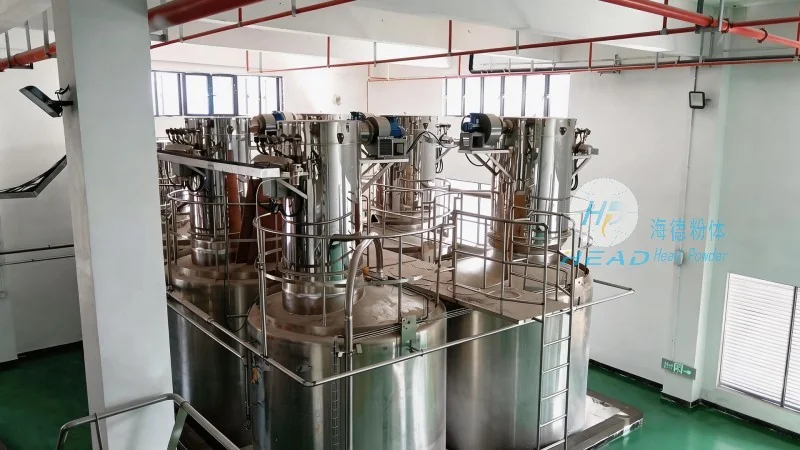
Location and Operational Excellence
HeadPowder is based in Shandong, China, where the company benefits from a strong industrial infrastructure and a skilled workforce. This location allows the company to maintain close ties with clients and provide timely support and maintenance services. The company's operational excellence is reflected in its ability to deliver systems that are not only efficient but also cost-effective and environmentally friendly, aligning with modern industrial standards.