

Components of Pneumatic Conveying for Feed Pellets
Understanding the components of pneumatic conveying systems for feed pellets is crucial for optimizing material handling efficiency in agricultural and feed processing operations. Pneumatic conveying technology offers a reliable method for transporting bulk materials like feed pellets, ensuring consistent flow and minimal product degradation. The following sections detail the key components that make up a typical pneumatic conveying system for feed pellets, highlighting the role of each element in the overall process.
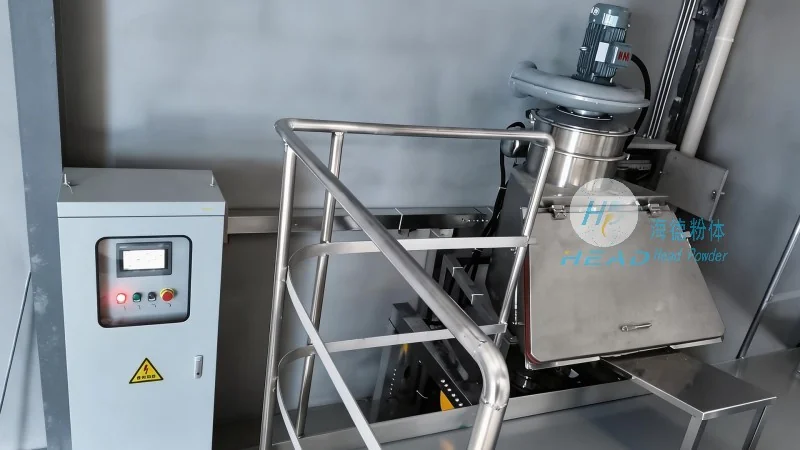
Key Components of Pneumatic Conveying Systems for Feed Pellets
The pneumatic conveying system for feed pellets typically consists of several interconnected components, each playing a vital role in the material transport process. These components work in synergy to ensure efficient and safe handling of feed pellets from the point of origin to the destination. The primary components include the feed hopper, air supply system, conveying line, and receiving hopper, along with auxiliary equipment such as filters and pressure regulators.
Feed Hopper and Material Preparation
The feed hopper is the initial component where feed pellets are stored and prepared for transport. It is designed to hold a sufficient quantity of material to maintain a continuous flow into the conveying system. The hopper may include a pre-screening or level control mechanism to ensure consistent material feed. For feed pellets, the hopper is often equipped with a discharge valve or gate that regulates the amount of material entering the conveying line. This component is critical as it directly impacts the system's ability to maintain a steady flow rate, preventing blockages or uneven material distribution. The design of the feed hopper, including its shape and material, is tailored to minimize product degradation and ensure smooth material transfer into the subsequent components.
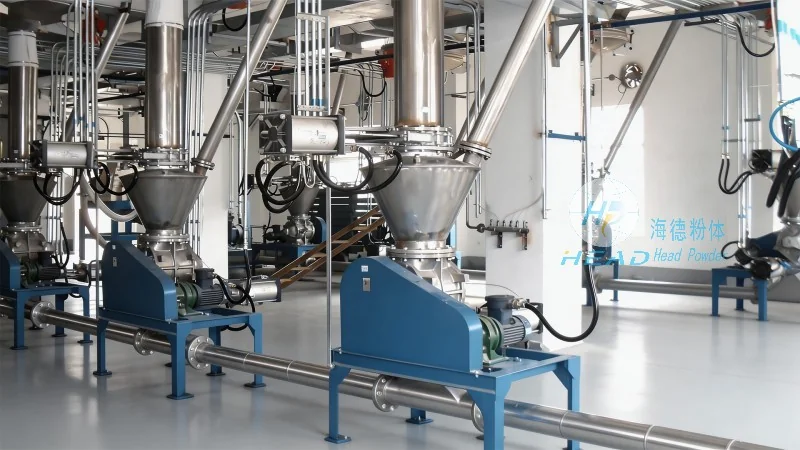
Air Supply System: Compressors and Air Treatment
The air supply system is a core component of the pneumatic conveying system, responsible for generating the necessary pressure and airflow to move feed pellets through the conveying line. This system typically includes a compressor, which can be either rotary or reciprocating, depending on the system's capacity and pressure requirements. The compressor draws in ambient air and compresses it to the desired pressure, which is then delivered to the conveying line via a network of pipes and valves. Alongside the compressor, air treatment equipment such as air filters and dryers is essential. These components remove contaminants like dust, moisture, and oil from the compressed air, ensuring that the air quality is suitable for transporting feed pellets without causing product contamination or equipment damage. Proper air treatment is vital for maintaining the quality of the feed pellets and extending the lifespan of the conveying system components.
Conveying Line and Pipeline Design
The conveying line, or pipeline, is the central pathway through which feed pellets are transported by the air stream. It is constructed from materials that are compatible with feed pellets and resistant to corrosion and wear. Common materials include stainless steel, PVC, or specialized plastic composites. The design of the pipeline, including its diameter, length, and bends, is carefully engineered to minimize pressure drop and ensure efficient material transport. The pipeline may include components such as elbows, tees, and straight sections, each designed to maintain the air flow velocity and prevent material deposition or blockages. For feed pellets, the pipeline is often equipped with internal coatings or liners to reduce friction and prevent product buildup. The choice of pipeline material and design is critical as it directly affects the system's efficiency, energy consumption, and the overall durability of the conveying system.
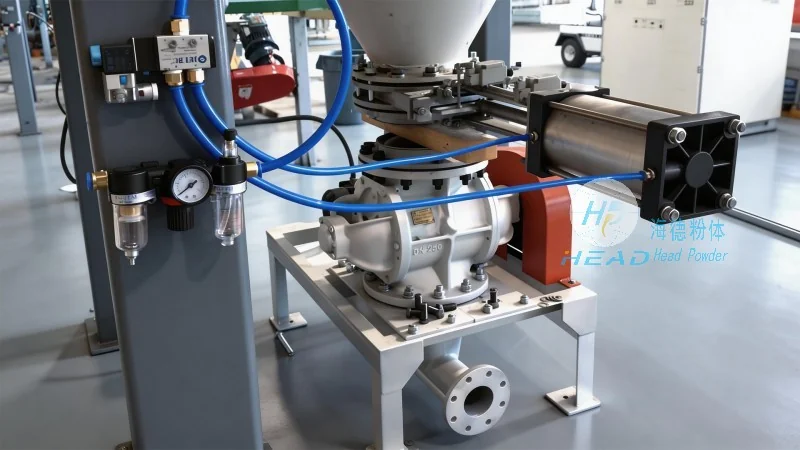
Receiving Hopper and Material Discharge
The receiving hopper is the final component of the pneumatic conveying system, where feed pellets are deposited after being transported through the conveying line. It is designed to collect the material and store it until it is further processed or distributed. The hopper may include a discharge valve or outlet that allows the material to be released in a controlled manner. The design of the receiving hopper, similar to the feed hopper, considers factors such as material flow, level control, and product protection. It may also include features like a discharge chute or conveyor to transfer the material to the next stage of processing. The receiving hopper plays a crucial role in maintaining the system's efficiency by ensuring that the material is collected without spillage or loss, and it helps in managing the storage and handling of the feed pellets after transport.
Auxiliary Equipment: Filters and Pressure Regulation
Auxiliary equipment is essential for maintaining the optimal performance and longevity of the pneumatic conveying system for feed pellets. Two key auxiliary components are the filter system and the pressure regulator. The filter system, typically located at the receiving end of the conveying line, removes any fine particles or dust that may have escaped the air treatment system. This prevents contamination of the feed pellets and protects downstream equipment from debris. The filter may be a bag filter or a cartridge filter, depending on the system's requirements. The pressure regulator, positioned at the compressor or along the pipeline, maintains a consistent pressure level throughout the conveying system. It ensures that the air pressure remains stable, preventing fluctuations that could affect the material flow rate or cause system inefficiencies. Proper maintenance of these auxiliary components is vital for the overall reliability and efficiency of the pneumatic conveying system.
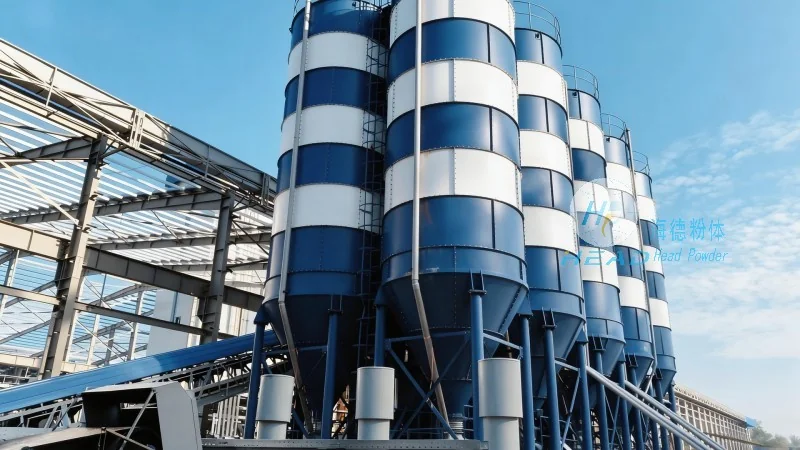
System Integration and Control
The integration of all components into a cohesive system is critical for the successful operation of pneumatic conveying for feed pellets. Modern systems often include control panels and sensors that monitor key parameters such as pressure, flow rate, and material level. These controls allow for real-time adjustments to the system's operation, ensuring optimal performance under varying conditions. The control system may include automation features that regulate the feed rate, air pressure, and conveyor speed, minimizing human intervention and maximizing efficiency. Proper integration and control of the pneumatic conveying system ensure that it operates smoothly, reduces downtime, and maintains the quality of the feed pellets throughout the transport process. This level of control is particularly important in feed processing operations where consistency and product quality are paramount.
Conclusion: Optimizing Feed Pellet Handling with Pneumatic Conveying
In summary, the components of a pneumatic conveying system for feed pellets work together to provide an efficient and reliable method for transporting bulk materials. Each component, from the feed hopper to the receiving hopper and auxiliary equipment, plays a vital role in ensuring the smooth and safe handling of feed pellets. The design and selection of these components are critical to the system's performance, energy efficiency, and durability. By understanding and properly maintaining the components of the pneumatic conveying system, feed processing facilities can optimize their material handling operations, reduce costs, and improve overall productivity. The expertise of companies like Shandong HeadPowder Engineering Co., Ltd., based in China, is instrumental in designing and implementing such systems tailored to the specific needs of feed pellet handling, ensuring that the components are integrated effectively to meet the demands of modern agricultural and feed processing industries.