

What is Pharmaceutical Pneumatic Conveying? An Introduction to the Working Principle of Powder Handl
Pharmaceutical pneumatic conveying is a critical technology in the pharmaceutical industry, designed to transport powders and granules efficiently and safely. This method uses air or other gases to move bulk materials through a system of pipes and equipment, ensuring minimal contamination and maintaining product integrity. Understanding the working principle of such systems is essential for professionals in the pharmaceutical sector, as it underpins the quality and reliability of powder handling processes.
Company Profile: HeadPowder Engineering
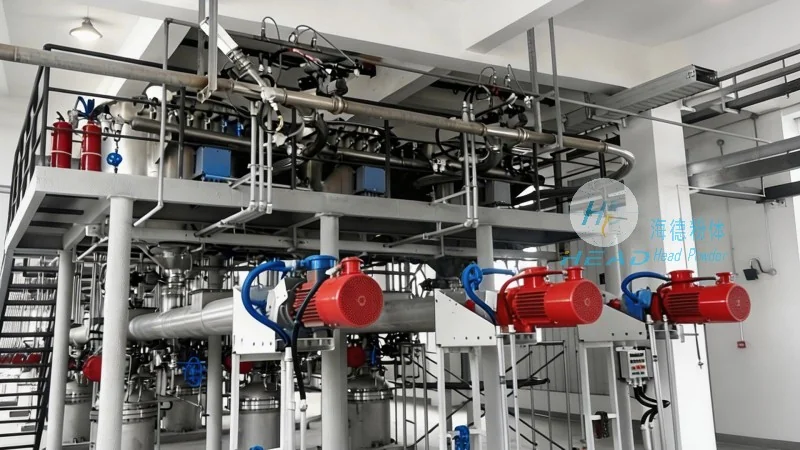
HeadPowder, or Shandong HeadPowder Engineering Co., Ltd., is a leading provider of powder handling solutions in China. With its headquarters located in Shandong, the company specializes in designing, manufacturing, and implementing advanced pneumatic conveying systems tailored to the unique demands of the pharmaceutical industry. Their expertise lies in ensuring compliance with stringent regulatory standards while delivering high-performance equipment that enhances operational efficiency and product safety.
The Working Principle of Powder Handling Systems
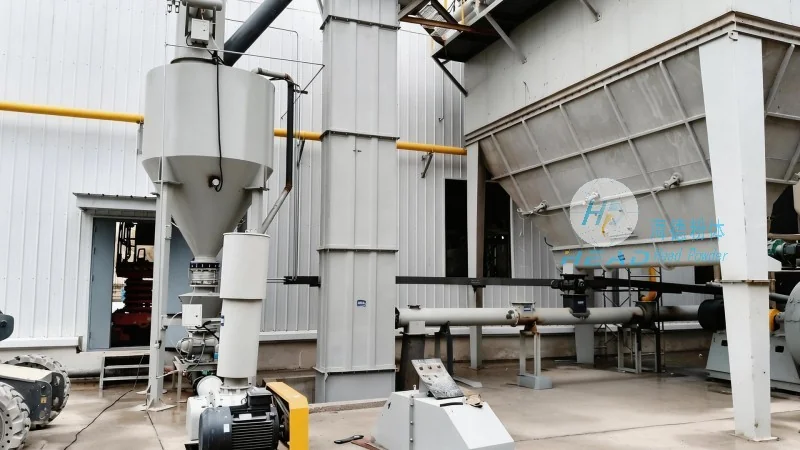
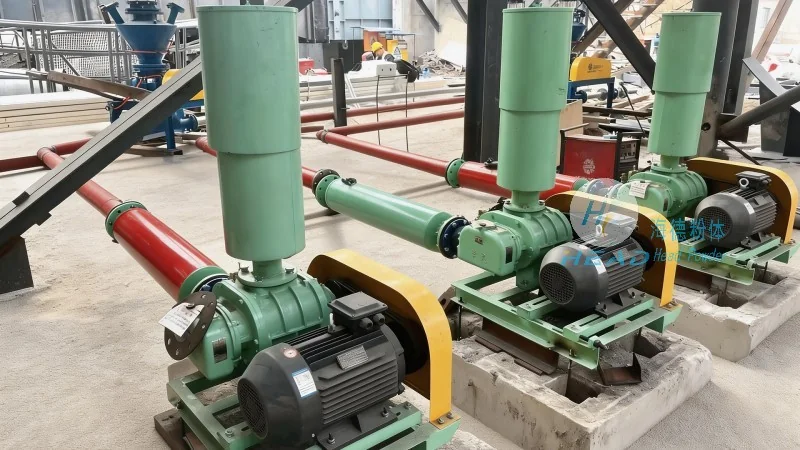
Pneumatic conveying systems operate by creating a pressure differential between the material feed point and the discharge point. There are two primary modes: pressure and vacuum. In pressure systems, compressed air is used to push the powder through the pipeline, while vacuum systems draw the material using a negative pressure. The choice between these modes depends on factors such as material properties, system layout, and the required transport distance. Key components include the hopper (for material storage), the conveyor line (the pipeline transporting the powder), and the receiver (where the material is deposited). These components work in tandem to ensure smooth and controlled movement of the powder, minimizing the risk of clogging or degradation.
Key Advantages of Pharmaceutical Pneumatic Conveying
Implementing pneumatic conveying in pharmaceutical manufacturing offers several advantages. Firstly, it provides a closed system, which is crucial for maintaining product purity and preventing contamination from external sources. This is particularly important in environments where sterility is paramount. Secondly, the technology allows for precise control over the flow rate and pressure, enabling accurate dosing and reducing material waste. Additionally, pneumatic conveying systems are compact and can be integrated into existing production lines with minimal disruption, making them a flexible solution for various pharmaceutical applications.
Conclusion
Pharmaceutical pneumatic conveying represents a sophisticated approach to powder handling, combining efficiency, safety, and regulatory compliance. By understanding the working principles and leveraging advanced systems like those offered by HeadPowder Engineering, pharmaceutical manufacturers can enhance their operational capabilities while upholding the highest standards of product quality. The technology continues to evolve, with ongoing innovations aimed at improving performance and adaptability, ensuring its relevance in modern pharmaceutical production.