

What is Iron Chip Pneumatic Conveying? Introduction to the Working Principle of Powder Handling Syst
Iron chip pneumatic conveying represents a specialized approach to handling and transporting iron chips and other fine particulate materials. This technology falls under the broader category of powder handling systems, which leverage air or gas as the primary medium to move bulk materials between locations. Understanding the fundamental working principles of such systems is essential for industries that depend on efficient and reliable material transport, particularly in manufacturing and processing sectors.
Overview of Pneumatic Conveying Systems
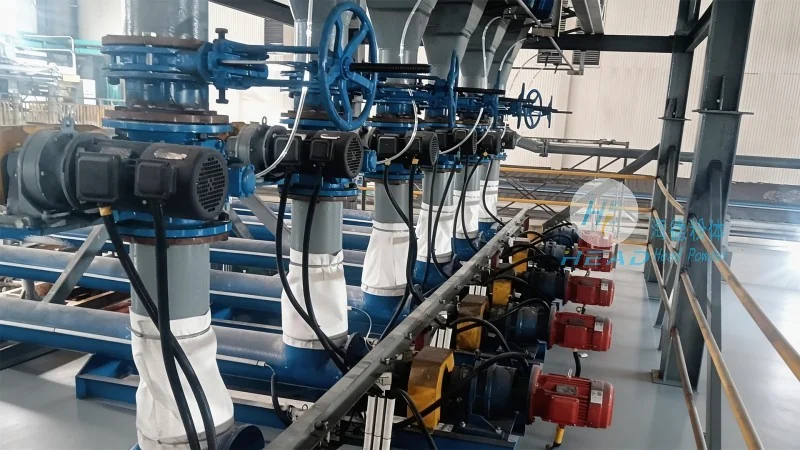
Pneumatic conveying systems operate by suspending solid materials in a fluidized state, where the material is propelled through a pipeline by the force of air or gas. These systems are widely adopted across diverse industries, including metalworking, mining, and food processing, due to their ability to handle a wide spectrum of materials with minimal maintenance and high operational efficiency. The core components of a typical pneumatic conveying system consist of a material hopper or feeder, a conveying line, a blower or compressor, and a discharge point or receiver. The material is loaded into the hopper, then pneumatically transported through the line to the intended destination.
How Iron Chip Pneumatic Conveying Functions
The process of iron chip pneumatic conveying involves several critical steps. Initially, iron chips are loaded into a hopper or feeder that connects to the conveying line. The feeder then releases the chips at a controlled rate. Concurrently, a blower or compressor generates a flow of air or gas that travels through the conveying line. As the air flows, it creates a pressure differential that lifts and propels the iron chips along the line. The air velocity is paramount; it must be sufficient to keep the chips in suspension and prevent them from settling or causing clogs within the line. The conveying line is typically constructed from materials like stainless steel or durable plastic, which resist corrosion and wear from the abrasive iron chips. At the end of the line, a receiver or silo collects the iron chips, and the air is either filtered and recirculated or vented to the atmosphere.
Key Components and Their Roles
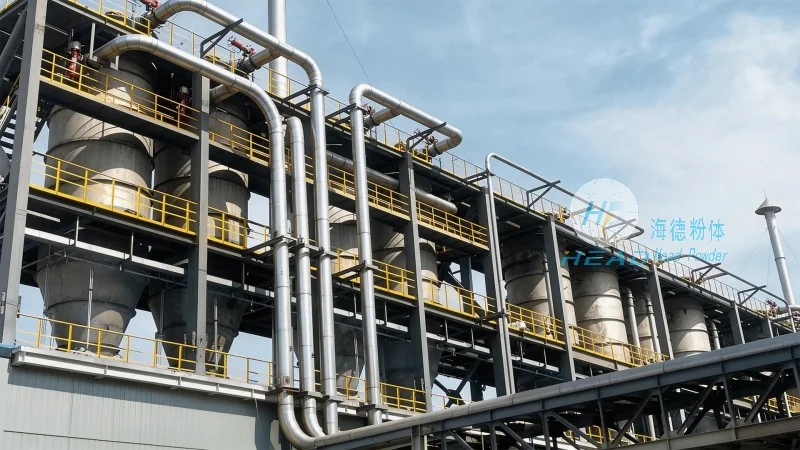
Multiple components collaborate to ensure the efficient operation of an iron chip pneumatic conveying system. The material hopper or feeder is responsible for storing and feeding the iron chips into the system, maintaining a consistent flow rate to prevent blockages and ensure smooth operation. The blower or compressor serves as the system's heart, providing the necessary air pressure and volume to move the material. Different blower types, such as rotary lobe or centrifugal models, are selected based on the specific application requirements. The conveying line, often made of flexible or rigid tubing, is where the material is transported. Its diameter and length are carefully chosen to match the material's characteristics and the desired conveying distance. The discharge point or receiver collects the iron chips, designed to handle impact and prevent spillage. In some systems, a filter or cyclone separates the air from the material, ensuring the air is clean before recirculation or release.
Advantages of Iron Chip Pneumatic Conveying
Iron chip pneumatic conveying offers several advantages over traditional mechanical conveying methods. A primary benefit is the ability to transport materials in a closed system, which helps to prevent dust emissions and contamination. This is particularly important for iron chips, which can be abrasive and generate fine particles. The closed system also protects the material from environmental factors like moisture or temperature changes, which can affect its quality. Another advantage is the flexibility of the system; pneumatic lines can be easily reconfigured or extended to accommodate changes in production needs or facility layout, making the system adaptable to different processes and reducing downtime during maintenance or upgrades. Additionally, pneumatic conveying systems generally have lower maintenance requirements compared to mechanical systems like conveyors or elevators, as they have fewer moving parts, reducing breakdown risks and lowering overall operational costs.
Applications and Industries
Iron chip pneumatic conveying is widely utilized in various industries that require handling iron chips and similar materials. In the metalworking industry, it is commonly used in foundries and machining operations to transport iron chips from work areas to collection points, helping to maintain a clean workspace and reduce fire hazards from accumulated debris. In the mining industry, pneumatic conveying is employed to transport iron ore from mining sites to processing facilities, enabling efficient and safe transport of large quantities over long distances. In the food processing industry, while less common with iron chips, similar pneumatic systems are used to transport other fine particulate materials, such as spices or powders. The principles of iron chip pneumatic conveying are also applicable to other metal powders and granules, making it a versatile solution for material handling.
Implementation Considerations
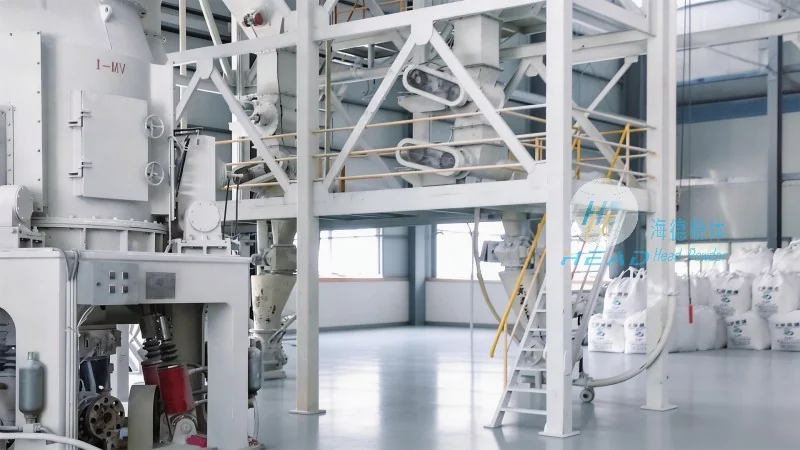
When implementing an iron chip pneumatic conveying system, several factors must be considered to ensure optimal performance. The first is the material characteristics of the iron chips, including size, shape, and density, as these affect the required air velocity and pressure for effective conveying. Larger or denser chips may need higher air pressure and velocity to maintain suspension. The second consideration is the conveying distance and layout, as the line's length and configuration impact system design, including blower size and line diameter. The third factor is compliance with environmental regulations and safety requirements, necessitating proper filtration and ventilation to meet dust and noise emission standards. Finally, the cost of the system and its maintenance must be evaluated; while pneumatic systems may have higher initial costs than some mechanical systems, their low maintenance and high efficiency can lead to long-term savings.
Conclusion
Iron chip pneumatic conveying is a reliable and efficient method for handling and transporting iron chips and other fine particulate materials. By understanding the working principles of pneumatic conveying systems and considering key components and factors, industries can implement effective material transport solutions. The technology offers advantages such as closed system operation, flexibility, and low maintenance, making it a preferred choice for many applications. As the demand for efficient material handling continues to grow, pneumatic conveying systems will remain a vital component in various industries, ensuring the smooth and safe transport of materials.