

What is Sulfur Pneumatic Conveying? An Introduction to the Working Principle of Powder Handling Syst
Understanding sulfur pneumatic conveying is essential for industries dealing with bulk powder materials, as it offers an efficient and reliable method for transporting sulfur and other similar powders. This article delves into the fundamental principles and operational mechanics of sulfur pneumatic conveying systems, providing a comprehensive overview for professionals in the field.
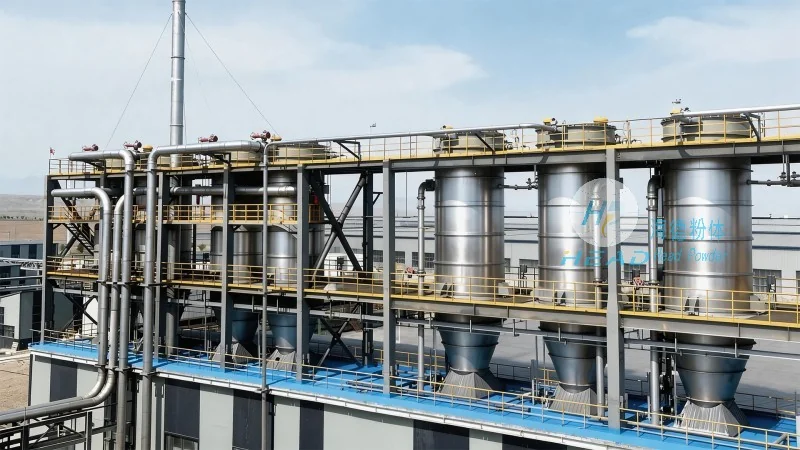
Introduction to Sulfur Pneumatic Conveying
Sulfur pneumatic conveying, also known as pneumatic powder transport, is a technology that uses compressed air or other gases to move solid particles, such as sulfur, through a pipeline. This method is widely used in industrial applications due to its ability to handle abrasive and corrosive materials like sulfur, which are often difficult to transport using traditional mechanical methods. The system combines the power of air pressure with the design of specialized equipment to ensure safe and efficient material transfer.
About HeadPowder: A Leading Provider of Powder Handling Solutions
HeadPowder, or Shandong HeadPowder Engineering Co., Ltd., is a prominent company based in China specializing in the design, manufacturing, and installation of advanced powder handling systems. With a strong commitment to innovation and quality, HeadPowder has established itself as a trusted partner for industries requiring reliable and efficient sulfur and other powder transport solutions. The company’s expertise lies in customizing systems to meet specific operational needs, ensuring optimal performance and durability in demanding environments.
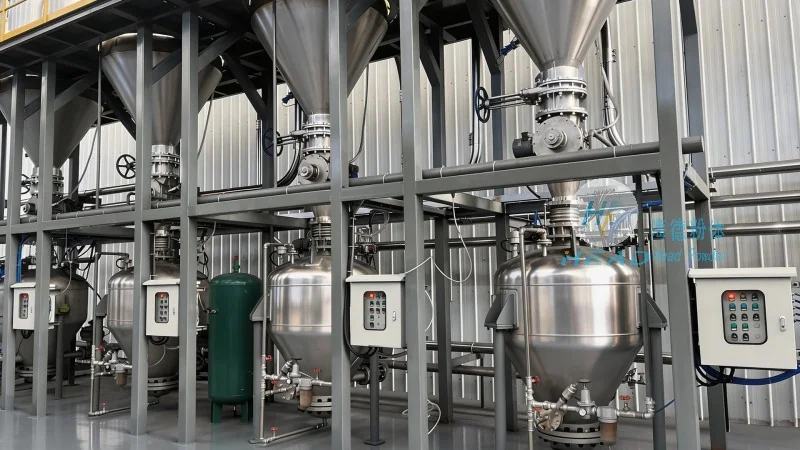
The Working Principle of Sulfur Pneumatic Conveying Systems
The core of a sulfur pneumatic conveying system involves several key components and steps that work in tandem to achieve effective material transport. The process typically begins with the feeding unit, where sulfur is introduced into the system. This unit may include a hopper or a feeder that controls the flow rate of the material, ensuring a consistent and controlled supply to the conveying line. The sulfur is then drawn into the pipeline by the air mover, which can be a rotary lobe blower, a centrifugal fan, or a positive displacement blower, depending on the system design and the required pressure and flow rates.
Once the sulfur is in the pipeline, it is carried by the high-velocity air stream. The air velocity must be sufficient to keep the particles suspended and prevent them from settling or clogging the line. The conveying line itself is usually made of materials resistant to sulfur’s corrosive properties, such as stainless steel or specialized plastic composites, to ensure longevity and maintain material integrity. The system may include flexible hoses or rigid pipes, depending on the layout and the need for flexibility in the transport path.
The material is then transported to the discharge unit, where it is released into a receiving container or storage silo. The discharge unit may include a valve or a hopper that controls the flow of the sulfur as it exits the system. To maintain system efficiency, a filter and cyclone separator is often included in the system to remove any entrained particles from the air stream, preventing dust accumulation and ensuring clean operation. The filtered air is then typically vented to the atmosphere or recirculated back into the system, depending on the environmental and operational requirements.
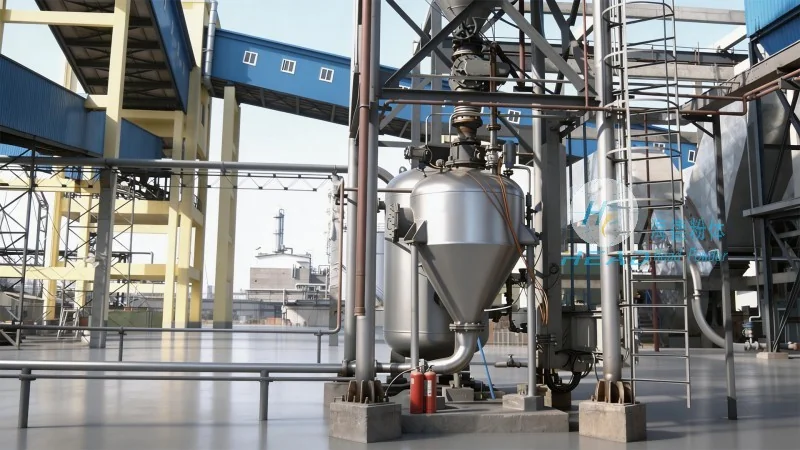
Key Advantages of Sulfur Pneumatic Conveying
Compared to traditional mechanical conveying methods, sulfur pneumatic conveying offers several advantages that make it a preferred choice for many industries. One of the primary benefits is its ability to handle abrasive and corrosive materials like sulfur without causing wear or damage to the equipment. The system also provides a dust-free and enclosed transport environment, reducing the risk of environmental contamination and improving workplace safety. Additionally, pneumatic conveying systems can be easily integrated with other processing equipment, such as reactors or storage tanks, allowing for seamless material flow and increased operational efficiency.
Another advantage is the flexibility of the system, which can be adapted to various layouts and operational conditions. The use of flexible hoses allows for easy routing around obstacles, while the ability to adjust air pressure and flow rates enables optimization for different sulfur particle sizes and densities. This adaptability makes sulfur pneumatic conveying suitable for a wide range of applications, from small-scale laboratory operations to large-scale industrial production lines.
Applications and Industries Using Sulfur Pneumatic Conveying
Sulfur pneumatic conveying systems are widely used in various industries that require the handling of sulfur and other powders. Some of the key applications include the chemical industry, where sulfur is used as a raw material in the production of sulfuric acid and other chemicals. The petroleum industry also utilizes sulfur pneumatic conveying for the transport of sulfur in refineries and processing plants. Additionally, the agricultural and food industries may use similar systems for handling sulfur-based fertilizers or additives, ensuring safe and efficient distribution.
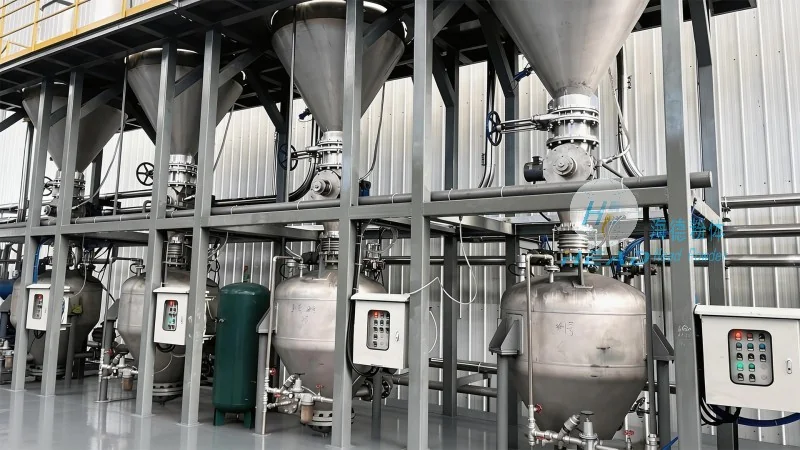
In the mining and mineral processing sector, sulfur pneumatic conveying is employed to transport sulfur from extraction sites to processing facilities. The system’s ability to handle abrasive and high-volume materials makes it ideal for these applications, where reliability and durability are critical. Furthermore, the pharmaceutical and cosmetics industries may use sulfur pneumatic conveying for the transport of sulfur-based ingredients in manufacturing processes, maintaining strict quality and safety standards.
Conclusion and Future Outlook
Sulfur pneumatic conveying is a robust and efficient method for transporting sulfur and other powders, offering significant advantages over traditional mechanical conveying systems. With the expertise of companies like HeadPowder, industries can access customized solutions that meet their specific operational needs, ensuring optimal performance and reliability. As technology continues to advance, the development of more efficient and sustainable pneumatic conveying systems will likely further enhance the adoption of this method in various industrial applications.