

Working Principles and Features of Continuous Material Handling System Equipment
Continuous material handling systems are essential in modern industrial operations, enabling the efficient and automated movement of bulk materials from one point to another. These systems are designed to enhance productivity, reduce labor costs, and improve safety in various manufacturing and processing environments. The core of such systems lies in their ability to maintain a continuous flow of materials, which is achieved through a combination of mechanical components and control mechanisms.
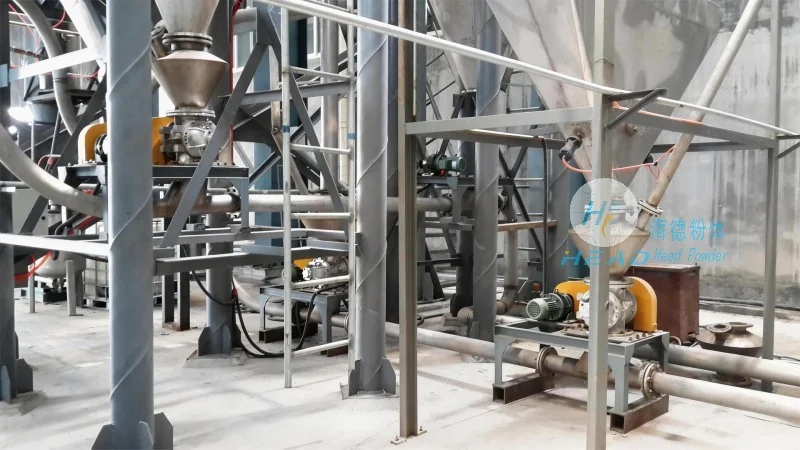
Working Principles of Continuous Material Handling Systems
At the heart of continuous material handling systems is the principle of unbroken material flow. This is typically achieved by using conveyor belts, rollers, or other transport mechanisms that move materials in a continuous cycle. The system often starts with an input point where raw materials are loaded, and then proceeds through various processing stages, such as sorting, packaging, or inspection, before reaching the output point. The key components include feeders, conveyors, and control units that work in tandem to ensure smooth material movement. For instance, in a typical belt conveyor system, materials are placed on the moving belt and transported to the desired location. The speed and direction of the conveyor can be adjusted to match the processing requirements, allowing for flexibility in operation. Additionally, sensors and control systems are integrated to monitor the flow and adjust parameters in real-time, ensuring optimal performance and preventing bottlenecks or jams.
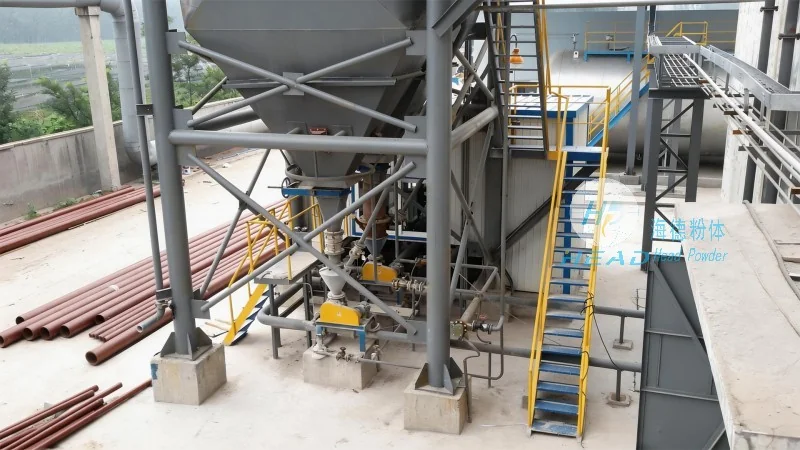
Key Features of Continuous Material Handling Systems
Continuous material handling systems offer several notable features that make them indispensable in industrial settings. One of the primary features is their high throughput capacity, which allows for the rapid movement of large volumes of materials. This is particularly important in industries like food processing, where speed and efficiency are critical to meeting production targets. Another key feature is the ability to handle a wide range of materials, from powders and granules to bulk solids and even liquids in some cases. The systems are designed to be versatile and adaptable, with options for different conveyor types, such as chain conveyors, screw conveyors, or pneumatic conveyors, depending on the material characteristics and application requirements. Furthermore, these systems are built for durability and reliability, with robust construction and minimal maintenance requirements. This ensures long-term operational efficiency and reduces downtime, which is crucial for maintaining consistent production levels. The integration of automation and control systems also enhances the overall functionality, allowing for precise control over material flow and process parameters. This not only improves operational efficiency but also enhances safety by minimizing human intervention in hazardous material handling tasks.
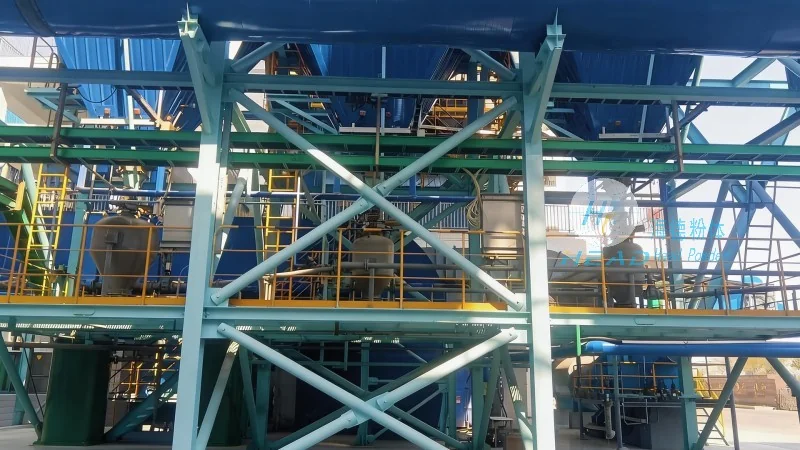
Company Information and Location
HeadPowder, a leading manufacturer in the field of material handling equipment, specializes in providing high-quality continuous material handling systems. With its headquarters in Shandong, China, the company leverages advanced engineering and manufacturing capabilities to deliver innovative solutions tailored to the needs of various industries. The company's commitment to quality and customer satisfaction is reflected in its state-of-the-art production facilities and rigorous quality control processes. By focusing on research and development, HeadPowder continuously enhances its product lines to meet evolving industry demands, ensuring that its systems remain at the forefront of material handling technology. The company's presence in Shandong, a major industrial hub in China, positions it well to serve both domestic and international markets, offering comprehensive support and after-sales services to its clients.