

What is Silicone Powder Pneumatic Conveying? An Introduction to Powder Handling System Working Princ
Understanding the principles of pneumatic conveying for silicone powder is crucial for industries that rely on efficient and reliable material handling. This article delves into the fundamental aspects of silicone powder pneumatic conveying, exploring how such systems operate and the key components that enable effective powder transport.
Pneumatic Conveying: A Brief Overview
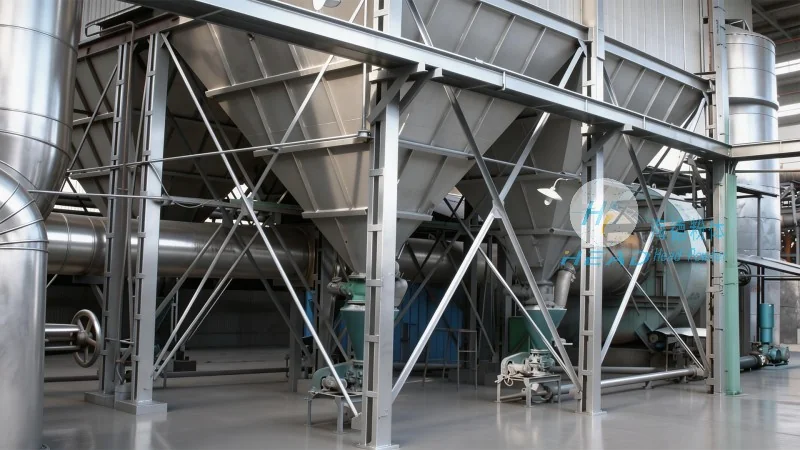
Pneumatic conveying is a method of transporting bulk materials, such as powders and granules, using a stream of air or gas. Unlike mechanical conveying systems that rely on belts, screws, or buckets, pneumatic systems utilize air pressure to move materials through a pipeline. This technology is widely adopted in various industries due to its flexibility, ability to handle a wide range of materials, and minimal maintenance requirements.
What is Silicone Powder?
Silicone powder, often derived from silica or silicon dioxide, is a fine particulate material commonly used in manufacturing, cosmetics, and construction applications. Its properties, including high purity, thermal stability, and non-reactivity, make it a preferred choice for many industrial processes. However, the fine nature of silicone powder presents unique challenges in handling, particularly when it comes to preventing clogging and maintaining consistent flow rates.
The Working Principle of Silicone Powder Pneumatic Conveying
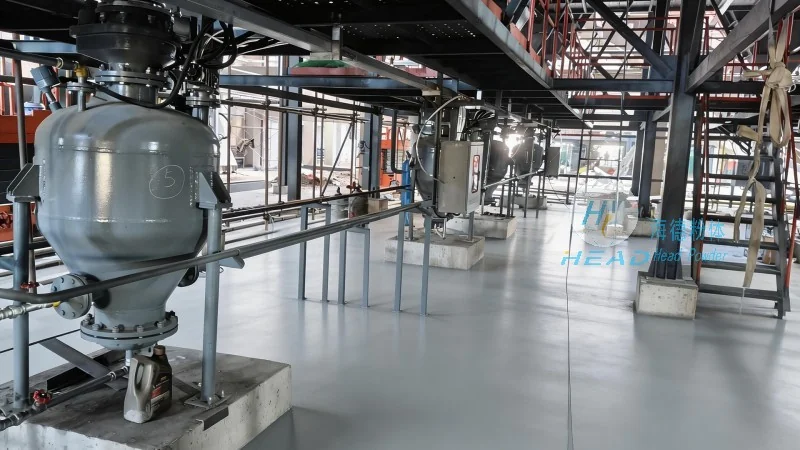
The core of a silicone powder pneumatic conveying system lies in the interaction between the powder particles and the air stream. The process typically involves the following steps:
- Material Loading: The silicone powder is introduced into the system, often through a hopper or a feeder, ensuring a consistent feed rate to avoid overloading the system.
- Air Injection: Compressed air is introduced into the conveying line, creating a flow that lifts and transports the powder particles. The air velocity must be sufficient to overcome the gravitational force acting on the powder and any friction within the pipeline.
- Pipeline Transport: The mixture of air and powder travels through the pipeline. The design of the pipeline, including bends, elbows, and expansion joints, is critical to minimize pressure drop and prevent particle separation or clogging.
- Discharge and Separation: At the destination, the air and powder are separated. This is usually achieved through a cyclone separator or a filter, where the air is released back into the atmosphere or recirculated, while the silicone powder is collected in a receiving container.
Key Components of a Silicone Powder Pneumatic Conveying System
Several components work in tandem to ensure the efficient operation of a silicone powder pneumatic conveying system:
- Feeder: A feeder, such as a rotary valve or a screw feeder, controls the flow rate of the silicone powder into the system, maintaining a steady supply.
- Compressor: A high-pressure air compressor provides the necessary air pressure to generate the conveying air stream. The compressor must be capable of delivering sufficient airflow and pressure to handle the specific characteristics of the silicone powder.
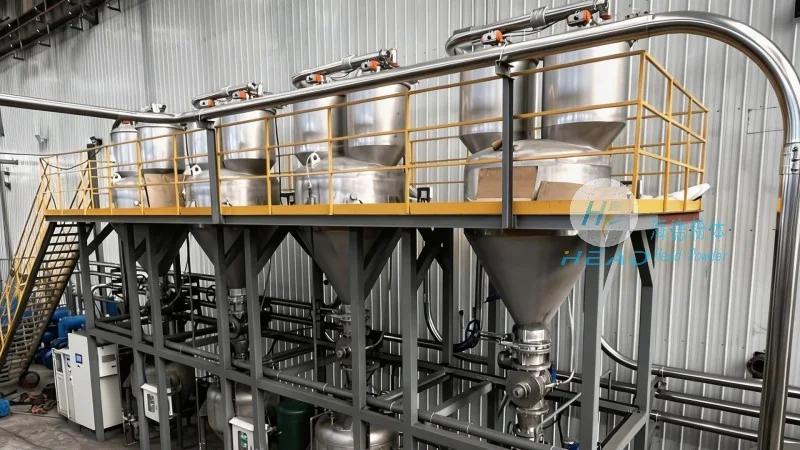
- Pipeline: The pipeline, typically made of materials like stainless steel or plastic, is designed to withstand the pressure and corrosive properties of the silicone powder and air mixture. Proper pipeline sizing and smooth interior surfaces are essential to minimize friction and pressure losses.
- Separation Equipment: Cyclone separators or bag filters are used to separate the air from the powder at the end of the conveying line. These devices ensure that the powder is collected efficiently while the air is either vented or recirculated, reducing energy waste.
- Control System: A control system monitors and regulates the operation of the conveying system, adjusting air pressure, feed rate, and other parameters to maintain optimal performance and prevent system failures.
Benefits of Silicone Powder Pneumatic Conveying
Implementing a pneumatic conveying system for silicone powder offers several advantages over traditional mechanical conveying methods:
- Reduced Downtime and Maintenance: Pneumatic systems have fewer moving parts compared to mechanical conveyors, leading to lower maintenance costs and reduced downtime due to mechanical failures.
- Improved Product Quality: The enclosed nature of pneumatic conveying prevents contamination from external sources and minimizes dust exposure, which is critical for maintaining the purity of silicone powder used in sensitive applications.
- Flexibility in Layout: Pneumatic systems can be easily reconfigured to accommodate changes in production processes or facility layouts, allowing for flexible material handling solutions.
- Energy Efficiency: While initial setup costs may be higher, pneumatic conveying systems can be more energy-efficient in the long run, especially when considering the reduced need for cleaning and maintenance compared to mechanical systems.
Applications of Silicone Powder Pneumatic Conveying
Silicone powder pneumatic conveying is widely used in various industries, including:
- Pharmaceutical and Cosmetic Manufacturing: For handling fine powders that require strict contamination control and consistent particle size distribution.
- Construction and Building Materials: For transporting silica or silicon dioxide powders used in concrete additives and insulation materials.
- Electronics and Semiconductor Manufacturing: For conveying high-purity silicone powders used in the production of electronic components and coatings.
- Food and Beverage Industry: For handling food-grade silicone powders used as additives or processing aids.
Conclusion
Silicone powder pneumatic conveying is a sophisticated and efficient method for transporting fine particulate materials. By understanding the working principles and key components of such systems, industries can optimize their material handling processes, improve product quality, and reduce operational costs. For businesses seeking reliable and effective solutions for silicone powder transport, partnering with a specialized engineering company like Shandong HeadPowder Engineering Co., Ltd. can provide tailored systems that meet specific operational requirements.