

What is Lithium Manganese Dioxide Pneumatic Conveying? An Introduction to the Working Principle of P
Lithium manganese dioxide (LMO) is a critical cathode material widely used in lithium-ion batteries, known for its high energy density and thermal stability. The efficient and safe handling of LMO powder is essential for battery manufacturing processes. Pneumatic conveying systems have emerged as a preferred method for transporting LMO powder due to their ability to handle fine powders without the need for mechanical components that could cause contamination or particle degradation.
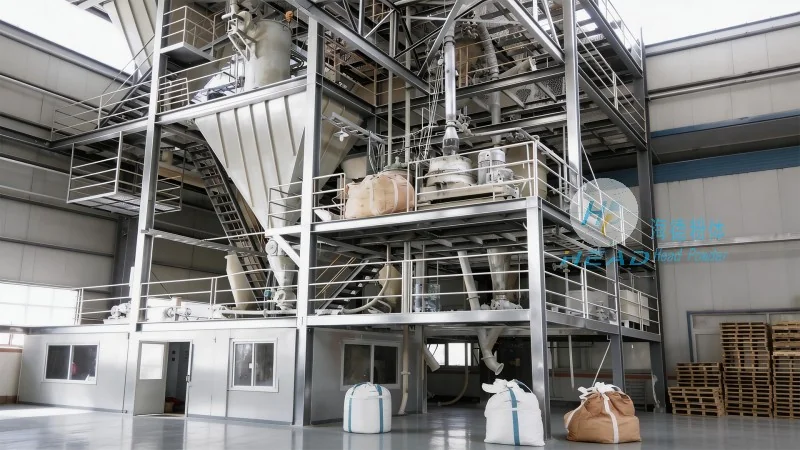
Understanding Pneumatic Conveying Systems
Pneumatic conveying, or air-based powder transport, is a technology that uses compressed air or other gases to move dry powders through a pipeline. This method is particularly suitable for materials like LMO, which are sensitive to moisture and require controlled environments. The core principle involves creating a flow of air that entrains the powder particles, carrying them from the source to the destination. There are two main types of pneumatic conveying systems: positive pressure and negative pressure (or vacuum) systems.
Key Components of a Pneumatic Conveying System for LMO
The successful operation of a pneumatic conveying system for LMO powder relies on several key components working in tandem. These include:
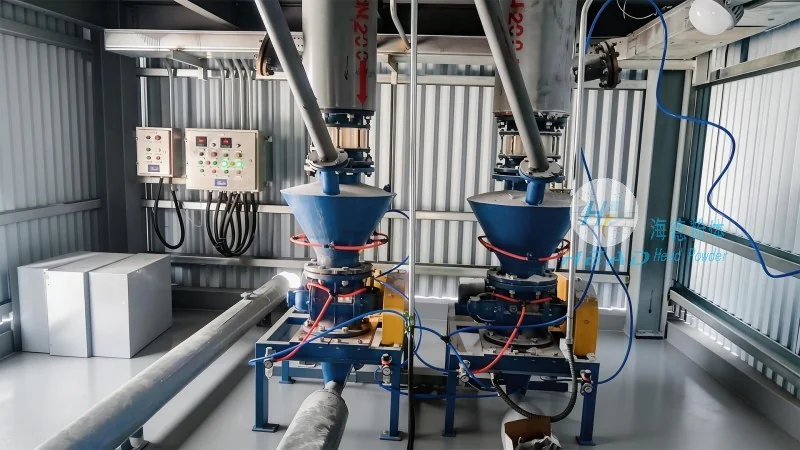
- Feed Hopper and Metering Device: The feed hopper stores the LMO powder and feeds it into the system at a controlled rate. Metering devices, such as rotary valves or screw feeders, ensure a consistent flow of powder into the conveying line, preventing overloading and maintaining system efficiency.
- Conveying Pipeline: The pipeline is typically made of materials like stainless steel or PTFE-coated tubes to prevent corrosion and ensure the purity of the LMO powder. The design of the pipeline, including bends and elbows, is optimized to minimize pressure drop and maintain the flow of powder-air mixture.
- Air Supply Unit: This component generates the compressed air or gas needed to move the powder. It includes a compressor, air dryer, and filters to remove moisture and contaminants, which are critical for maintaining the quality of LMO powder.
- Separation and Collection Equipment: At the receiving end, the powder is separated from the air using cyclones or bag filters. The collected LMO powder is then discharged into a storage bin or processing equipment. This step ensures that the powder is recovered efficiently and without loss.
Working Principle of LMO Pneumatic Conveying
In a positive pressure system, compressed air is introduced at the feed end, creating a high-pressure environment that pushes the powder-air mixture through the pipeline. The air velocity is maintained above the minimum fluidization velocity of the LMO particles to ensure that they remain suspended and transported. The pressure drop along the pipeline is carefully managed to prevent excessive energy consumption and maintain the flow rate.
In a negative pressure (vacuum) system, a vacuum is created at the receiving end, drawing the powder-air mixture from the source. This method is often used for short-distance or low-volume applications, as it requires less power compared to positive pressure systems. The vacuum is generated by a vacuum pump, and the system is designed to prevent air leakage, which could affect the powder quality.
Advantages of Pneumatic Conveying for LMO
Pneumatic conveying offers several advantages when handling LMO powder:
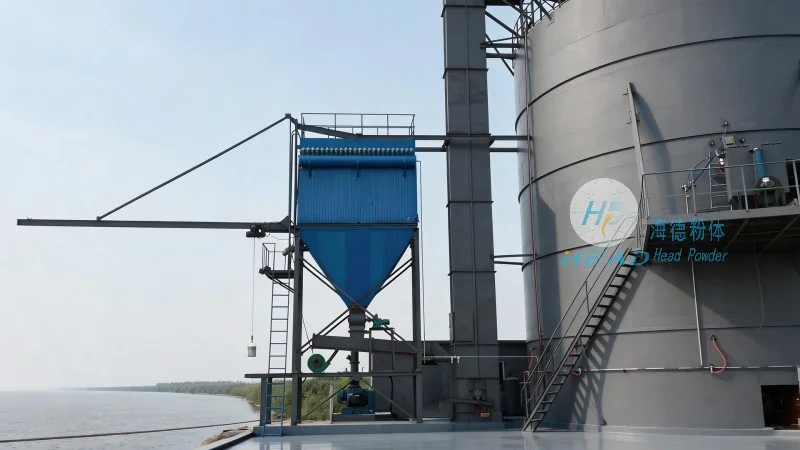
- Contamination Control: The enclosed system prevents exposure to external contaminants, such as moisture or dust, which could degrade the quality of LMO powder.
- Efficient and Flexible: Pneumatic systems can be easily adapted to different production layouts, allowing for flexible and scalable powder handling solutions.
- Low Maintenance: Compared to mechanical conveying systems, pneumatic systems have fewer moving parts, reducing the risk of wear and tear and lowering maintenance costs.
- Long-Distance Transport: With proper system design, pneumatic conveying can transport LMO powder over long distances without significant loss of material or quality.
Applications in Battery Manufacturing
LMO pneumatic conveying systems are widely used in the battery manufacturing industry for various processes, including:
- Powder Mixing and Blending: LMO powder is often mixed with other cathode materials or binders before being processed into electrodes. Pneumatic conveying ensures that the powder is mixed uniformly and without segregation.
- Electrode Production: The LMO powder is transported to the electrode manufacturing line, where it is combined with conductive additives and binders to form the cathode slurry.
- Storage and Handling: In battery production facilities, LMO powder is stored in bulk and then conveyed to the processing line as needed. Pneumatic systems provide a safe and efficient way to handle large quantities of powder.
Conclusion
Pneumatic conveying is a vital technology for the efficient and safe handling of lithium manganese dioxide powder in battery manufacturing. By understanding the working principles and key components of these systems, manufacturers can optimize their processes, improve product quality, and reduce operational costs. Companies like Shandong HeadPowder Engineering Co., Ltd., based in China, specialize in designing and manufacturing customized pneumatic conveying systems tailored to the specific needs of LMO powder handling, ensuring reliable and efficient transport in battery production lines.