

What is Lithium Hexafluorophosphate Pneumatic Conveying? An Introduction to the Working Principle of
Lithium hexafluorophosphate (LiPF₆) is a critical electrolyte salt used in lithium-ion batteries, essential for maintaining ionic conductivity and ensuring battery performance. Pneumatic conveying, as a powder handling technique, offers a non-contact, efficient method to transport fine powders like LiPF₆. This article explains the working principles of a powder handling system designed for reliable and efficient transport of this material.
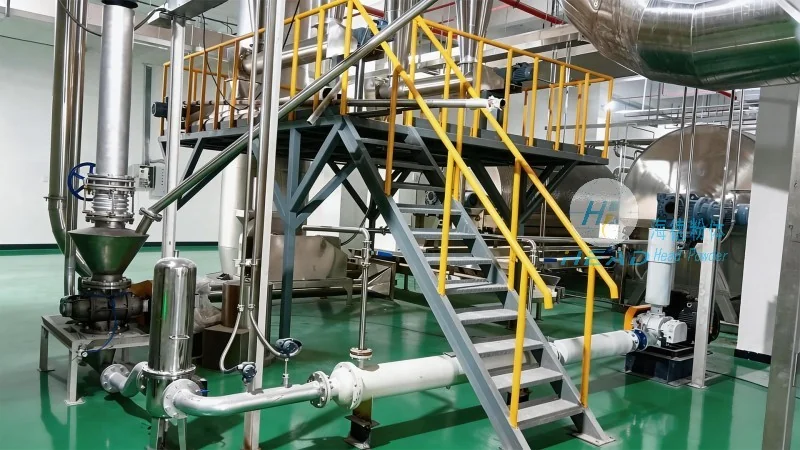
Introduction to Lithium Hexafluorophosphate and Pneumatic Conveying
Lithium hexafluorophosphate is widely utilized in the battery industry due to its ability to enhance battery stability and performance. Pneumatic conveying systems provide a hygienic and contamination-free way to move this sensitive material. Unlike mechanical conveyors, which may introduce particles or cause degradation, pneumatic systems use compressed air to propel the material through a pipeline, ensuring purity and integrity.
HeadPowder's Expertise in Powder Handling Solutions
Shandong HeadPowder Engineering Co., Ltd. specializes in designing advanced powder handling systems. The company focuses on precision and reliability, engineering solutions tailored to the stringent requirements of handling LiPF₆ and other sensitive materials. HeadPowder's commitment to quality ensures that their equipment operates efficiently while preserving the material's purity throughout the transport process.
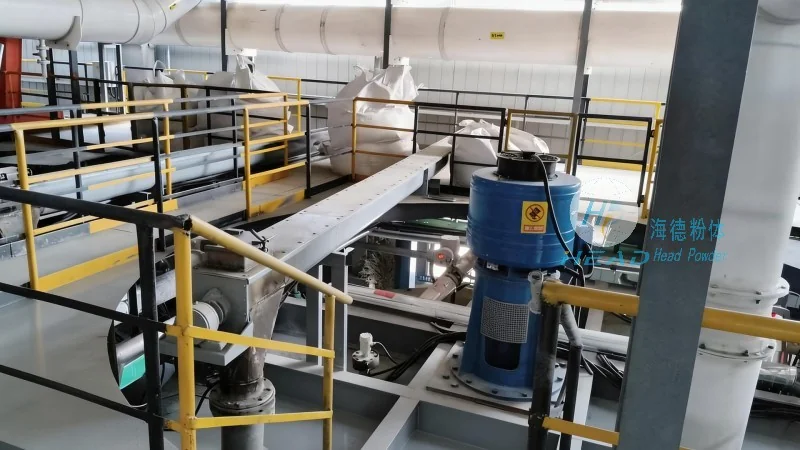
The Working Principle of Pneumatic Conveying Systems
A typical LiPF₆ pneumatic conveying system includes components such as a hopper for material storage, a feeder to control flow, a pipeline network, and a receiver. The process starts with material being fed from the hopper into the pipeline. Compressed air is introduced, creating a flow that propels the LiPF₆ particles through the system. The air velocity is carefully managed to avoid excessive wear or degradation. Systems may use positive pressure (air pushed through) or negative pressure (air drawn out), depending on application and material characteristics.
Key Advantages of Pneumatic Conveying for LiPF₆
Pneumatic conveying offers several benefits for LiPF₆ transport. Firstly, it maintains material purity by eliminating contact with mechanical parts. Secondly, the system provides flexibility and scalability, easily integrating into existing production lines. Additionally, it reduces labor costs and improves operational efficiency by automating material handling, ensuring consistent quality and reliability.
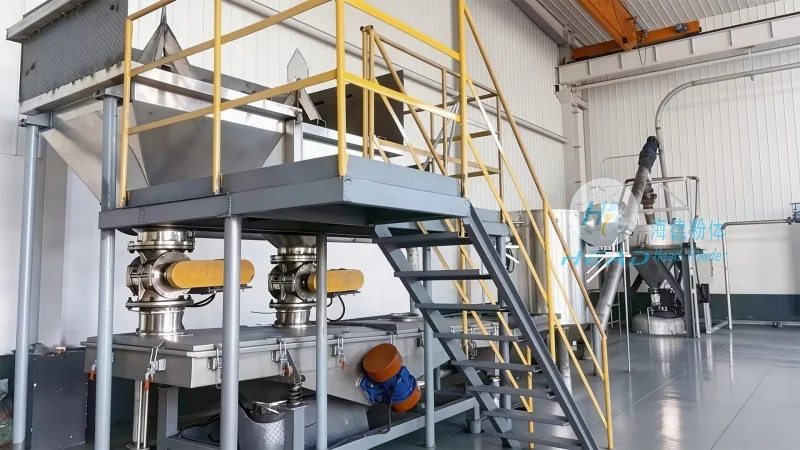
Applications and Industries
LiPF₆ pneumatic conveying systems are primarily used in the battery manufacturing industry, including production of lithium-ion batteries for electric vehicles, consumer electronics, and energy storage systems. The demand for high-purity LiPF₆ has driven the need for advanced powder handling solutions. Industries like battery manufacturers, chemical processing plants, and research facilities rely on these systems to preserve material integrity throughout production.
Conclusion and Future Outlook
In summary, lithium hexafluorophosphate pneumatic conveying is a sophisticated and efficient method for transporting this critical battery material. When implemented by experienced manufacturers like Shandong HeadPowder Engineering Co., Ltd., the technology delivers benefits such as improved material purity, operational efficiency, and scalability. As the demand for lithium-ion batteries grows, reliable powder handling systems will remain vital, making advanced pneumatic conveying solutions a key component in the battery manufacturing sector.