

What is the Pneumatic Conveying of Lithium Battery Cathode Materials? An Introduction to the Working
Understanding the pneumatic conveying of lithium battery cathode materials is crucial for manufacturers in the battery industry. This process involves the transportation of fine powders, such as those used in lithium battery cathodes, using air or other gas streams. The technology is essential for efficient material handling in production lines, ensuring that the delicate and often sensitive cathode materials are moved safely and effectively from one stage of manufacturing to another.
Working Principle of Pneumatic Conveying Systems
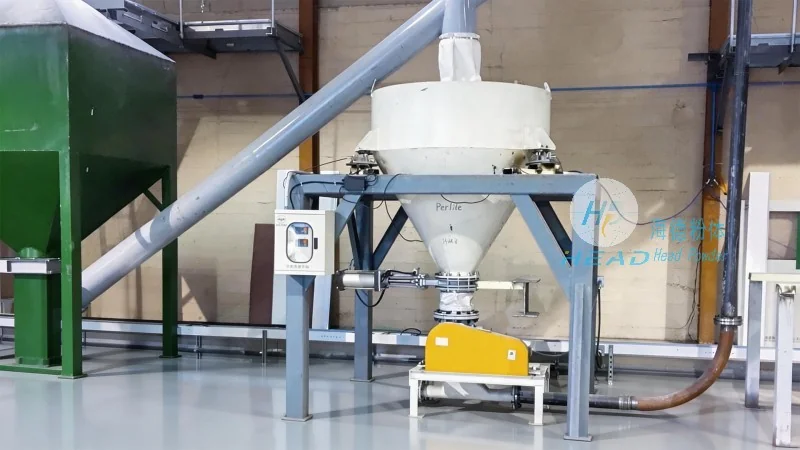
Pneumatic conveying systems operate by creating a pressure differential between the material source and the destination. There are two primary types of pneumatic conveying: pressure and vacuum systems. In pressure systems, compressed air is used to push the material through a pipeline. The air and material mixture travels through the system until it reaches a receiver or separator where the material is collected. Vacuum systems, on the other hand, use a vacuum to draw the material into the pipeline, often from a hopper or storage bin. Both systems rely on the flow of air to transport the powder, and the design of the system must consider factors such as material properties, particle size, and the required conveying distance to ensure optimal performance.
Key Components of a Pneumatic Conveying System
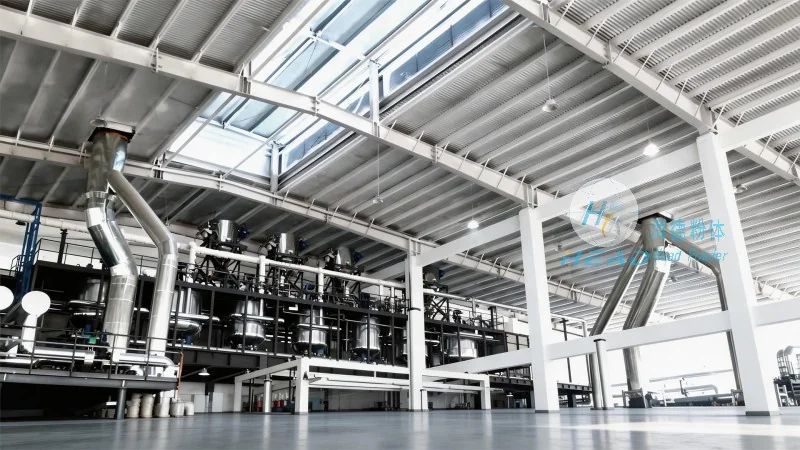
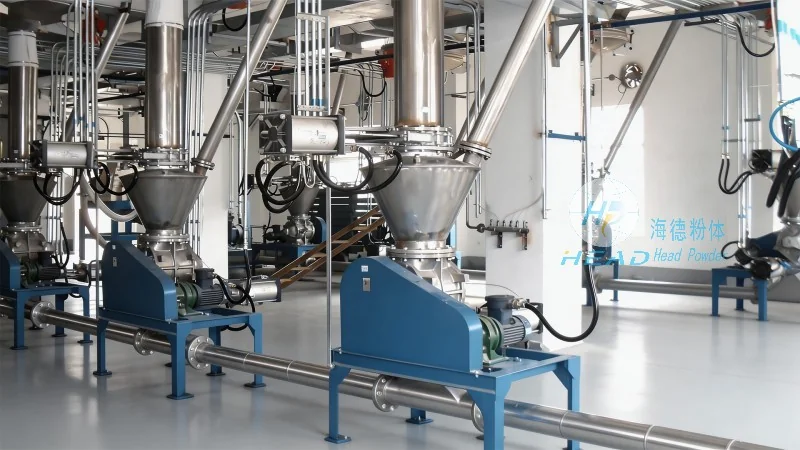
A typical pneumatic conveying system consists of several key components that work together to transport the material. These include a material feed device, such as a hopper or feeder, which controls the flow of the powder into the system. The conveying line, usually made of stainless steel or other corrosion-resistant materials, is where the air and material travel. A compressor or vacuum pump provides the necessary air pressure or vacuum. A separator or filter is used to separate the material from the air at the end of the line, allowing the material to be collected and the air to be recycled or discharged. Additionally, a control system manages the operation of the components, ensuring that the conveying process is efficient and safe.
Applications in Lithium Battery Manufacturing
In the context of lithium battery manufacturing, pneumatic conveying is used to transport cathode materials, such as lithium cobalt oxide (LCO), lithium nickel manganese cobalt oxide (NMC), and other active materials, from storage to mixing, coating, and other processing stages. The ability to handle fine powders with minimal degradation is critical, as the quality of the cathode material directly impacts the performance and lifespan of the battery. Pneumatic conveying systems are preferred in these applications due to their ability to maintain material integrity, prevent contamination, and provide a clean and efficient method of material transfer.
About HeadPowder Engineering Co., Ltd.
HeadPowder Engineering Co., Ltd., a leading provider of powder handling solutions, specializes in the design and manufacturing of pneumatic conveying systems tailored for the battery industry. With a focus on innovation and quality, HeadPowder offers customized solutions that meet the specific needs of lithium battery manufacturers. The company is headquartered in Shandong, China, and serves clients worldwide with advanced technology and reliable service. HeadPowder's expertise in material handling ensures that their systems are efficient, durable, and capable of handling the demanding requirements of modern battery production.