

What is a Sesame Powder Conveying Machine? What is its Design Principle?
For those in the food processing industry, especially those dealing with sesame powder, understanding the right equipment for efficient handling is crucial. A sesame powder conveying machine is a specialized piece of machinery designed to transport and handle sesame powder in a controlled manner. This article will explore what a sesame powder conveying machine is and delve into its design principles, providing insights into how such equipment operates and benefits the production process.
Introduction to Sesame Powder Conveying Machines
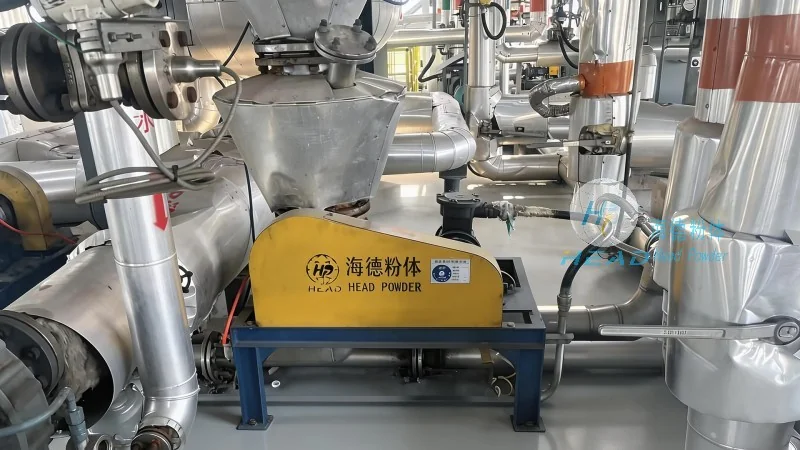
A sesame powder conveying machine is a system engineered to move sesame powder from one location to another within a processing facility. These machines are essential in industries where sesame powder is used as an ingredient, such as in baking, confectionery, and health supplement manufacturing. The primary goal of these machines is to ensure the safe, efficient, and hygienic transfer of the powder, minimizing dust generation and preventing contamination. By understanding the components and functions of a sesame powder conveying machine, businesses can make informed decisions about equipment selection and integration into their production lines.
Key Components of a Sesame Powder Conveying Machine
The design of a sesame powder conveying machine typically involves several key components that work in tandem to achieve effective powder handling. These components include the hopper, conveyor system, control panel, and sometimes auxiliary equipment like dust collection systems. The hopper is the initial storage unit where sesame powder is loaded. It is designed to accommodate the bulk volume of the powder and often features a sloped bottom to facilitate smooth discharge. The conveyor system, which can be of various types such as screw conveyors, pneumatic conveyors, or belt conveyors, is responsible for the actual movement of the powder. The control panel allows operators to monitor and adjust the machine's operation, ensuring optimal performance. In some designs, dust collection systems are integrated to capture any airborne particles, maintaining a clean and safe working environment.
Design Principles for Efficient Powder Handling
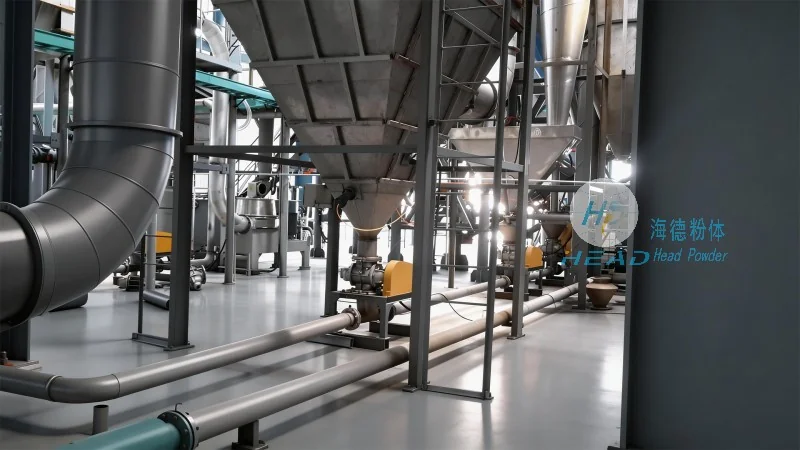
The design principles of a sesame powder conveying machine are centered on efficiency, hygiene, and reliability. One of the core principles is the minimization of powder degradation and contamination. This is achieved through the use of materials that are non-reactive with the powder and are easy to clean, such as stainless steel. The machine's design also considers the flow characteristics of sesame powder, which can be cohesive or have a tendency to form clumps. To address this, some designs incorporate features like agitators or vibrators to break up clumps and ensure consistent flow. Another important principle is energy efficiency. Modern conveying machines are designed to use minimal power while maintaining high throughput, which helps reduce operational costs. Additionally, the design emphasizes ease of maintenance and cleaning, as these machines are often subject to stringent hygiene regulations in food processing industries. By adhering to these design principles, manufacturers can produce conveying machines that meet the high standards required in the food industry.
How a Sesame Powder Conveying Machine Works
Understanding the operational mechanics of a sesame powder conveying machine provides clarity on its functionality. The process typically begins with the loading of sesame powder into the hopper. From there, the powder is fed into the conveyor system. In a screw conveyor, for example, a rotating screw pushes the powder forward through a tube. The speed of the screw can be adjusted to control the flow rate. In pneumatic conveyors, air is used to transport the powder through a pipeline, often using a combination of positive and negative pressure to move the material. The control panel allows operators to set the speed and direction of the conveyor, ensuring precise control over the powder movement. As the powder travels through the system, it may pass through various sections, such as a filter or a metering device, to ensure consistent quality. The final stage involves the discharge of the powder into the next processing stage or a storage container. Throughout this process, the machine is designed to minimize dust and maintain a clean environment, which is critical for food safety.
Benefits of Using a Sesame Powder Conveying Machine
Implementing a sesame powder conveying machine offers several benefits to food processing businesses. Firstly, it enhances operational efficiency by automating the powder handling process, reducing the need for manual labor and minimizing the risk of human error. This leads to increased productivity and consistent output quality. Secondly, the machine helps maintain hygiene standards by reducing dust and preventing cross-contamination. This is particularly important in industries where food safety is paramount. Thirdly, the design of these machines allows for easy integration into existing production lines, making it a flexible solution for various processing needs. Additionally, modern conveying machines are equipped with features that improve energy efficiency and reduce maintenance costs, contributing to long-term operational savings. By investing in a sesame powder conveying machine, businesses can improve their overall production processes and meet the demands of a competitive market.
Choosing the Right Sesame Powder Conveying Machine
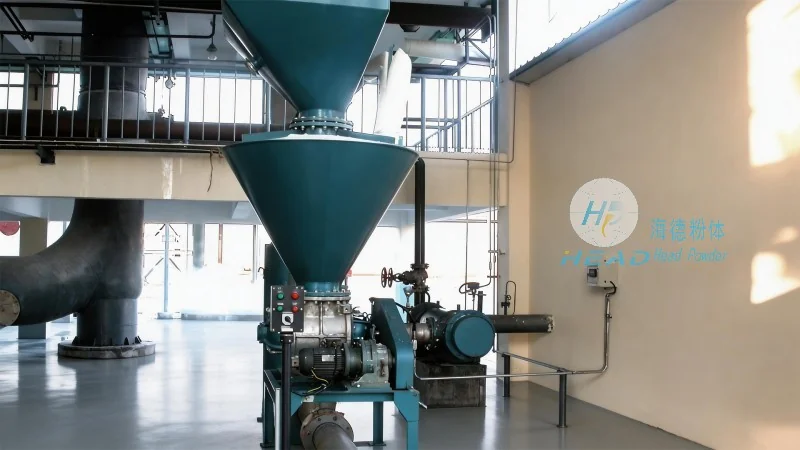
When selecting a sesame powder conveying machine, several factors should be considered to ensure the right equipment for specific needs. The first consideration is the capacity required, which depends on the production volume and the speed of the processing line. The type of conveyor system, such as screw or pneumatic, should be chosen based on the characteristics of the sesame powder, including its flowability and tendency to clump. The material of construction is another critical factor, as it must be compatible with the powder and meet hygiene regulations. Stainless steel is often the preferred material due to its durability and ease of cleaning. Additionally, the machine's design should allow for easy maintenance and cleaning, with accessible components and simple operation. It is also important to consider the control features, such as adjustable speed and monitoring capabilities, to ensure the machine can be integrated seamlessly into the production process. By carefully evaluating these factors, businesses can select a sesame powder conveying machine that meets their operational requirements and enhances their production efficiency.
Conclusion
A sesame powder conveying machine is a vital piece of equipment in the food processing industry, designed to efficiently and safely handle sesame powder. Its design principles focus on efficiency, hygiene, and reliability, ensuring that the powder is transferred with minimal degradation and contamination. By understanding the components and operational mechanics of such a machine, businesses can make informed decisions about equipment selection and integration. The benefits of using a sesame powder conveying machine include increased productivity, improved hygiene standards, and operational cost savings. When choosing the right machine, factors such as capacity, material, and ease of maintenance should be considered to ensure optimal performance. For those in the food industry dealing with sesame powder, investing in the right conveying machine is a strategic move to enhance production efficiency and meet industry standards.