

Introduction to Slag Pneumatic Conveying and the Working Principle of Pneumatic Conveying Systems
Slag, a byproduct of steelmaking processes, is a valuable material that can be efficiently handled using pneumatic conveying systems. This article provides an overview of slag pneumatic conveying and explains the fundamental principles behind the operation of such systems.
Understanding Slag and Its Handling Requirements
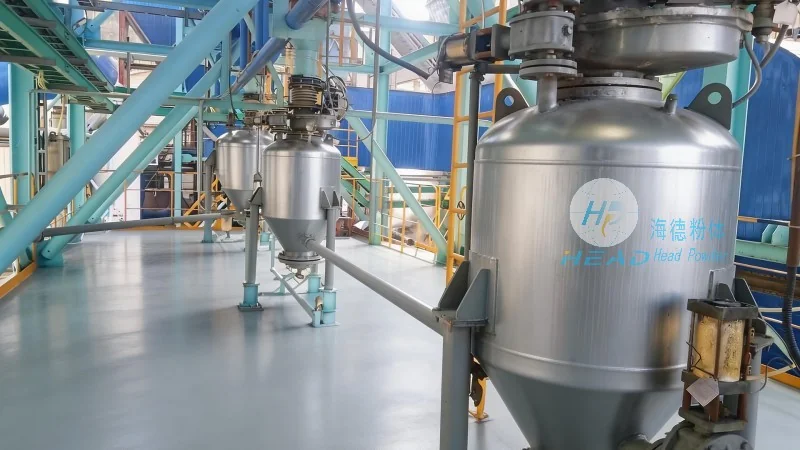
Slag is a non-metallic material that forms during the smelting of iron ore to produce steel. It consists of various compounds, including silicates, aluminates, and oxides, and can be classified as either acidic or basic depending on its chemical composition. Due to its abrasive nature and potential for generating dust, handling slag requires specialized equipment designed to minimize wear and ensure safe operation. Pneumatic conveying systems are particularly well-suited for this application because they can transport abrasive materials over long distances without the need for mechanical components that would otherwise wear out quickly.
HeadPowder's Expertise in Pneumatic Conveying Systems
Shandong HeadPowder Engineering Co., Ltd., a leading manufacturer of industrial conveying solutions, specializes in designing and manufacturing pneumatic conveying systems tailored to the unique needs of slag handling. With years of experience in the industry, HeadPowder has developed advanced technologies that enhance the efficiency, reliability, and safety of slag transportation. The company's team of engineers and technicians works closely with clients to understand their specific requirements, ensuring that the final system meets all operational and safety standards.
The Working Principle of Pneumatic Conveying Systems
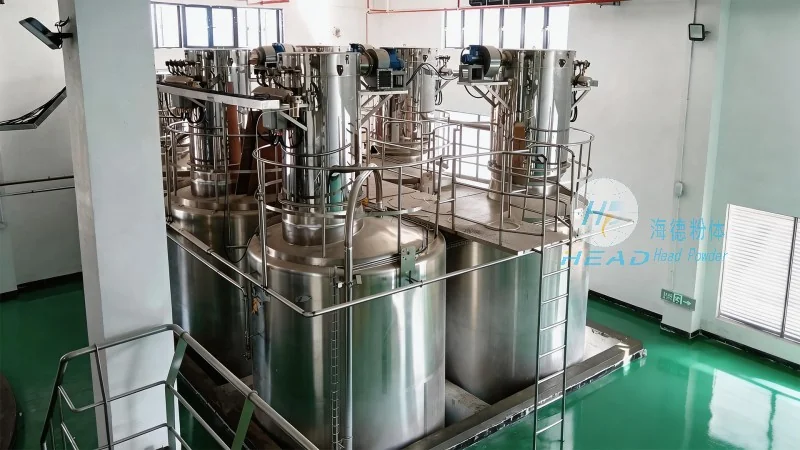
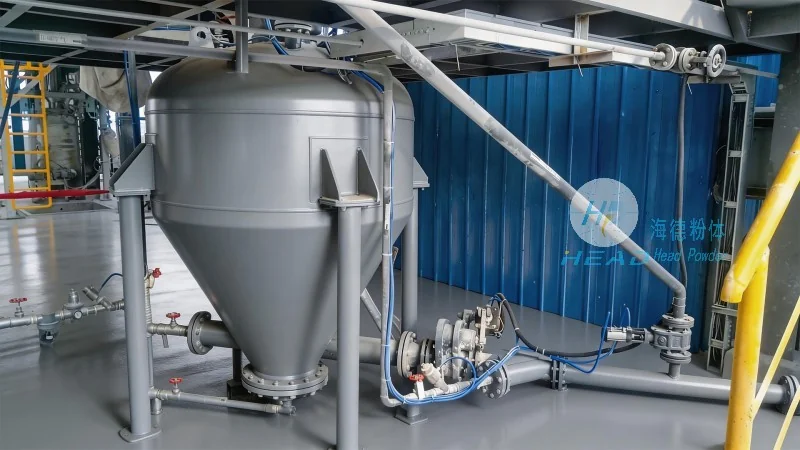
Pneumatic conveying systems operate by using air or other gases to transport bulk materials through a pipeline. In the case of slag, the system typically involves a series of components, including a hopper for material storage, a feeder to control the flow rate, a compressor to generate the necessary air pressure, and a pipeline network to transport the material to its destination. The process begins when the slag is fed into the hopper, where it is then drawn into the pipeline by the moving air. As the material travels through the pipeline, it is suspended and carried by the air flow, which prevents it from settling or causing blockages. The system can be either positive pressure or negative pressure, depending on the application and the distance to be covered.
Key Components of a Slag Pneumatic Conveying System
Several key components are essential for the proper operation of a slag pneumatic conveying system. The hopper serves as the storage vessel, providing a large capacity to accommodate the bulk material. The feeder, often a rotary valve or a screw feeder, regulates the flow rate of the slag into the system, ensuring a consistent and controlled supply. The compressor is the heart of the system, generating the air pressure required to move the material through the pipeline. It can be a rotary screw compressor or a centrifugal compressor, depending on the system's capacity and pressure requirements. The pipeline network consists of straight sections and fittings such as elbows, tees, and reducers, which guide the material and air flow efficiently. Additionally, the system may include filters and cyclones to separate the air from the material at the end of the pipeline, allowing the air to be recycled and the slag to be collected in a designated container.
Advantages of Pneumatic Conveying for Slag Handling
Compared to traditional mechanical conveying methods, such as belt conveyors or bucket elevators, pneumatic conveying offers several advantages for slag handling. First, it is highly flexible, as the pipeline can be routed around obstacles and adapted to the layout of the facility. Second, it is more efficient in terms of energy consumption, as the system can transport material over long distances with minimal power input. Third, it provides better safety, as there are no moving parts in direct contact with the material, reducing the risk of accidents and equipment damage. Fourth, it is more hygienic, as the system can be enclosed to prevent dust from escaping into the environment. These advantages make pneumatic conveying an ideal solution for handling abrasive and dusty materials like slag.
Applications of Slag Pneumatic Conveying Systems
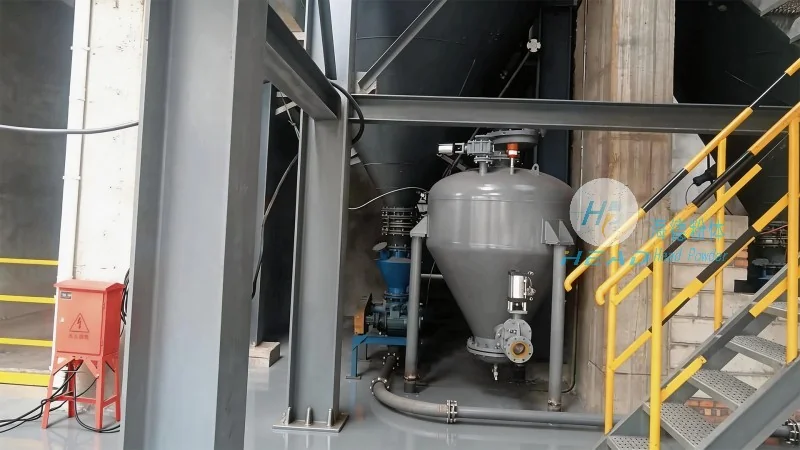
Slag pneumatic conveying systems are used in a variety of applications across different industries. In the steel industry, they are used to transport slag from the blast furnace or electric arc furnace to storage facilities or for further processing. In the construction industry, slag is often used as a raw material for cement production, and pneumatic conveying systems can transport it from the storage yard to the cement plant. In the power generation industry, slag from coal-fired power plants can be handled using pneumatic systems, which helps to reduce the environmental impact by preventing dust emissions. Additionally, slag can be used as a road base material or for land reclamation projects, and pneumatic conveying systems can transport it to these sites efficiently.
Conclusion and Contact Information
Slag pneumatic conveying systems are an effective and efficient method for handling abrasive and dusty materials. Shandong HeadPowder Engineering Co., Ltd. provides high-quality solutions tailored to the specific needs of clients, ensuring reliable and safe operation. For more information about our pneumatic conveying systems for slag handling, please contact us at our office in Shandong, China.