

[Copper Powder Pneumatic Conveying Introduction and Explanation of Pneumatic Conveying System Workin
Shandong HeadPowder Engineering Co., Ltd., commonly known as headpowder, is a professional manufacturer and supplier specializing in pneumatic conveying systems. With a base in Shandong, China, the company has established itself as a key player in the field of material handling solutions, particularly for handling copper powders and other fine particulate materials. HeadPowder focuses on delivering reliable, efficient, and customized pneumatic conveying solutions tailored to the specific needs of various industrial applications.
Overview of Pneumatic Conveying Systems
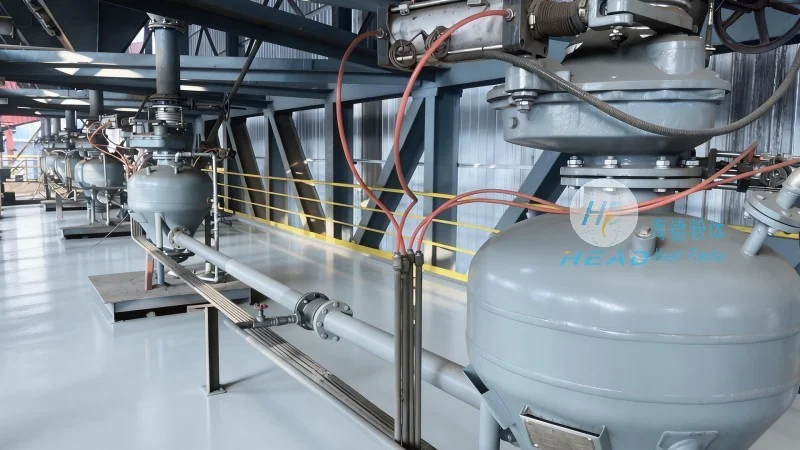
Pneumatic conveying systems are industrial equipment designed to transport bulk materials, such as powders and granules, through a pipeline using air or other gases. These systems offer a flexible and efficient method for material transfer, eliminating the need for mechanical components like belts or buckets in traditional conveying methods. The core components of a typical pneumatic conveying system include a material feed hopper, a conveyor line, a pressure or vacuum source, and a control system. The system operates by either creating a positive pressure (pressure conveying) or negative pressure (vacuum conveying) within the pipeline to move the material from the source to the destination.
Features of Copper Powder Pneumatic Conveying
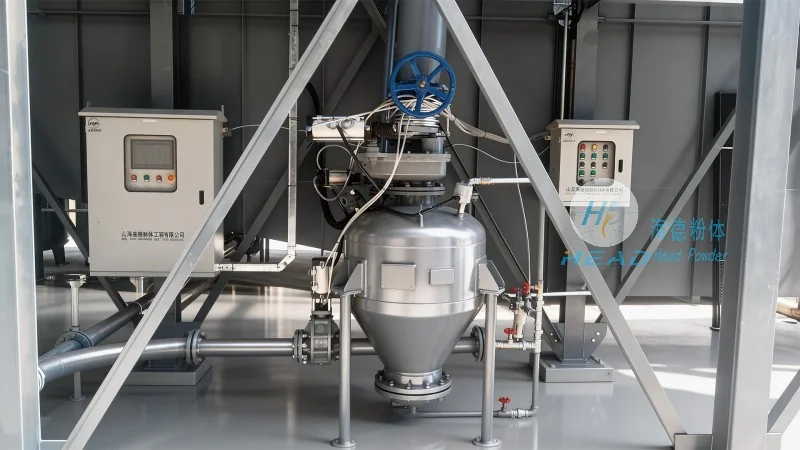
When it comes to copper powder, pneumatic conveying presents several advantages over other methods. Copper powders are often sensitive to moisture and oxidation, making it crucial to maintain a dry and controlled environment during transport. Pneumatic systems can be designed to operate under inert gas atmospheres, such as nitrogen or argon, to prevent oxidation and ensure the material's quality. Additionally, these systems allow for precise control over the flow rate and pressure, which is essential for handling delicate materials like copper powders that may be prone to agglomeration or degradation under high shear forces. The flexibility of pneumatic conveying also enables the integration of multiple processing steps, such as blending, drying, or packaging, within a single system, streamlining production processes.
Working Principle of Pneumatic Conveying Systems
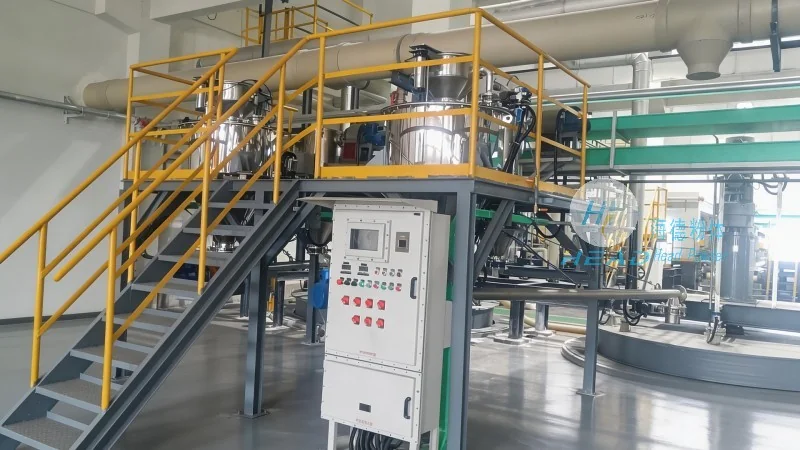
The working principle of a pneumatic conveying system involves the movement of material particles suspended in a gas stream. In pressure conveying, a positive pressure is generated at the material source, typically using a blower or compressor, which forces the material and air mixture through the pipeline to the destination. The material is carried by the air flow, and the system is designed to maintain a consistent pressure gradient to ensure smooth transport. In vacuum conveying, a vacuum is created at the receiving end, drawing the material and air mixture from the source to the destination. This method is often used for shorter distances or when the material needs to be transported from a higher elevation to a lower one. The control system plays a critical role in regulating the pressure, flow rate, and material feed rate, ensuring optimal performance and preventing issues like blockages or excessive pressure drops.
Application Scenarios
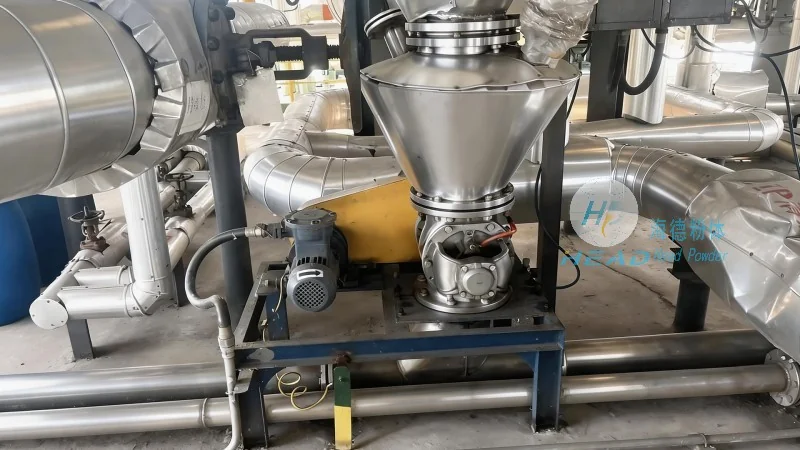
Pneumatic conveying systems are widely used in various industries that handle copper powders and other fine materials. These include the copper processing industry, where copper powders are used in the production of copper alloys, electrical components, and catalysts. The automotive industry also relies on pneumatic conveying for transporting copper powders used in the manufacturing of connectors, terminals, and other electronic parts. Additionally, the electronics industry utilizes these systems for handling copper powders in the production of printed circuit boards (PCBs) and other electronic components. The pharmaceutical and chemical industries may also use pneumatic conveying for transporting copper-based compounds, though with additional safety measures to prevent contamination and ensure compliance with regulatory standards.