

Introduction to Magnesium Powder Pneumatic Conveying and the Working Principle of Pneumatic Conveyin
HeadPowder, a leading engineering company based in Shandong, China, specializes in the design and implementation of advanced pneumatic conveying systems for various industrial applications. This article provides an overview of magnesium powder pneumatic conveying, explaining the fundamental principles and operational mechanisms that enable efficient material transport. Pneumatic conveying is a critical technology in industries dealing with powders and granules, offering a flexible and effective solution for moving materials from one location to another without the need for mechanical components like belts or screws.
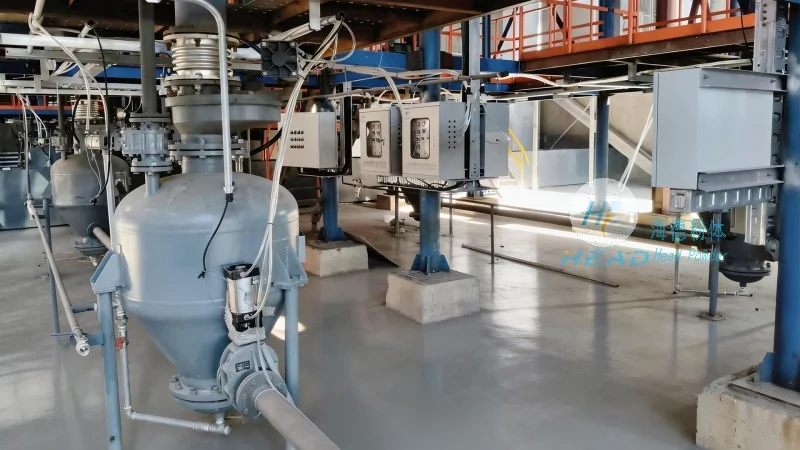
Understanding Pneumatic Conveying Systems
A pneumatic conveying system utilizes a stream of air or gas to transport bulk materials such as powders, granules, or small particles. The core components of a typical system include a material feed hopper, a conveyor line (often a pipeline), a pressure or vacuum source, and a discharge mechanism. For magnesium powder, which is a reactive metal often used in metallurgy, aerospace, and chemical industries, the system must be designed to handle its specific properties, including its reactivity and potential for dust explosion risks. The system's design must ensure safety, efficiency, and compliance with industry standards to prevent accidents and maintain product integrity.
Key Components of a Magnesium Powder Pneumatic Conveying System
The effectiveness of a pneumatic conveying system for magnesium powder depends on several key components that work in concert to ensure reliable operation. The material feed hopper is the initial stage where magnesium powder is stored and fed into the system. It is typically equipped with a rotary valve or a star feeder to control the flow rate and prevent clogging, which is crucial for maintaining consistent material transport. The conveyor line, usually made of stainless steel or other corrosion-resistant materials, is designed to handle the abrasive nature of magnesium powder and prevent material buildup or corrosion. The pressure or vacuum source, such as a blower or a vacuum pump, generates the airflow necessary to move the powder through the pipeline. The velocity of the air is critical; it must be sufficient to lift and transport the powder without causing excessive wear on the system components. The discharge mechanism, often a rotary valve or a venturi, controls the release of the powder at the destination, ensuring a controlled and safe discharge process.
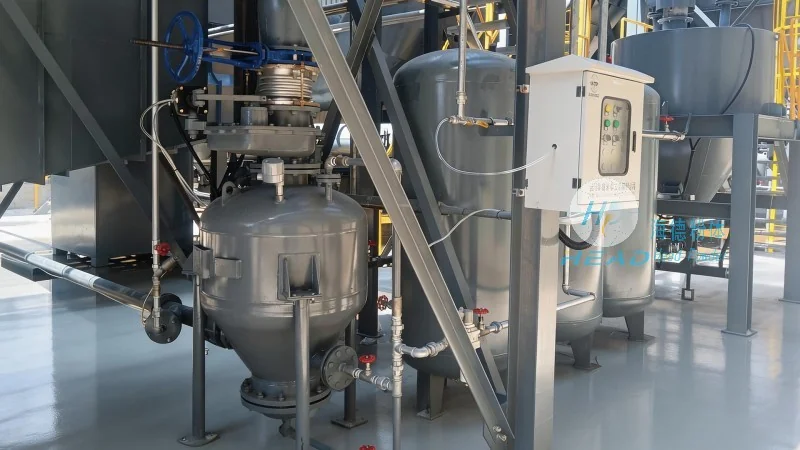
Working Principle of Pneumatic Conveying
The working principle of a pneumatic conveying system involves the creation of a high-velocity air stream that entrains the magnesium powder particles and transports them through the pipeline. When the air is introduced into the material feed hopper, it creates a low-pressure zone that draws the powder into the conveyor line. The air velocity is maintained at a level that is higher than the settling velocity of the powder particles, ensuring that the particles remain suspended and are carried along with the air flow. As the powder travels through the pipeline, it may encounter bends or changes in direction, which the system is designed to handle with minimal pressure loss. The discharge point is where the air velocity decreases, allowing the powder to settle out and be collected in a receiving hopper or container. The system's efficiency is determined by factors such as the air velocity, the material's particle size and density, and the pipeline length and diameter.
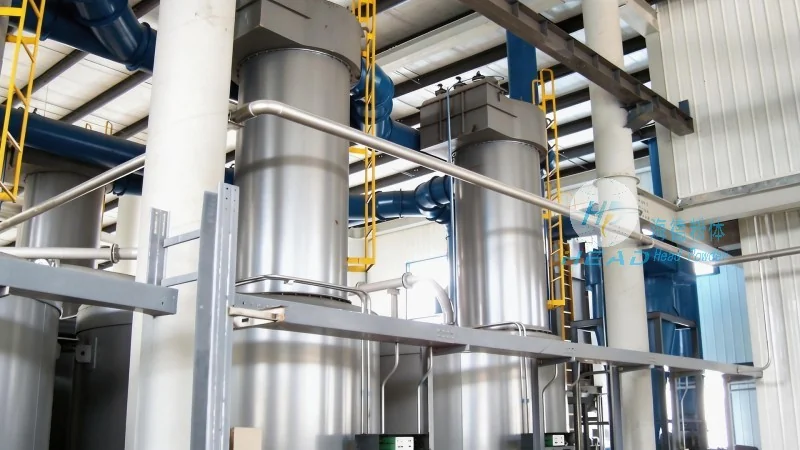
Advantages of Pneumatic Conveying for Magnesium Powder
Compared to traditional mechanical conveying methods, pneumatic conveying offers several advantages for handling magnesium powder. One of the primary benefits is the ability to transport materials in a closed system, which minimizes dust exposure and prevents contamination from external sources. This is particularly important for magnesium powder, which can be hazardous if inhaled or if it comes into contact with moisture. The closed system also reduces the risk of dust explosions, as the material is contained within the pipeline and the air flow is controlled. Another advantage is the flexibility of the system, as it can be easily reconfigured to handle different material types or to change the transport route. Pneumatic conveying also allows for the integration of other processes, such as mixing or drying, within the system, enhancing overall operational efficiency. Additionally, the system can handle a wide range of material properties, including varying particle sizes and moisture content, making it a versatile solution for magnesium powder applications.
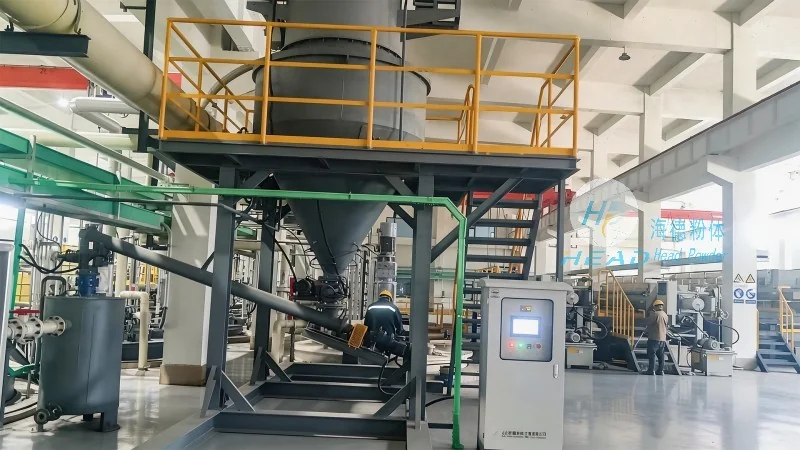
Applications of Magnesium Powder Pneumatic Conveying
Magnesium powder pneumatic conveying systems are widely used in various industrial sectors due to their efficiency and adaptability. In the metallurgical industry, these systems are used to transport magnesium powder for casting and alloy production, where precise control over the material flow is essential. The aerospace industry utilizes magnesium powder for lightweight components, and pneumatic conveying ensures that the powder is delivered to manufacturing lines without contamination or loss. In the chemical industry, magnesium powder is used in the production of magnesium compounds, and the system helps maintain product purity by preventing exposure to air or moisture. Other applications include the pharmaceutical industry, where magnesium powder is used as an antacid, and the food industry, where it is used as a dietary supplement. The versatility of pneumatic conveying makes it suitable for a wide range of magnesium powder applications, from large-scale industrial production to smaller-scale laboratory use.
Design Considerations for Magnesium Powder Pneumatic Conveying Systems
Designing a pneumatic conveying system for magnesium powder requires careful consideration of several factors to ensure optimal performance and safety. The first consideration is the material's reactivity and potential for dust explosion. The system must be designed with explosion-proof components, such as spark-resistant motors and flame arrestors, to prevent ignition sources. The pipeline and components must be made of materials that are resistant to corrosion and wear from the magnesium powder, such as stainless steel or special alloys. The system's capacity must be matched to the production requirements, ensuring that the flow rate is sufficient to meet demand without causing bottlenecks or pressure buildup. The air velocity must be optimized to balance efficiency and energy consumption, as higher velocities increase energy costs but improve material transport. The system must also be equipped with monitoring and control devices to ensure safe operation, such as pressure sensors, flow meters, and alarms for abnormal conditions. Regular maintenance is crucial to prevent system failures and ensure long-term reliability, as the components are subject to wear and potential contamination.