

Working Principle and Features of Soil Material Conveying System Equipment
Soil material conveying systems are essential in various industries, including construction, mining, and environmental remediation. These systems are designed to transport bulk materials like soil, sand, and gravel efficiently and safely. The proper functioning of such equipment is crucial for project success, as it directly impacts productivity and operational costs. Understanding the working principle and features of these systems is vital for selecting the right equipment for specific applications.
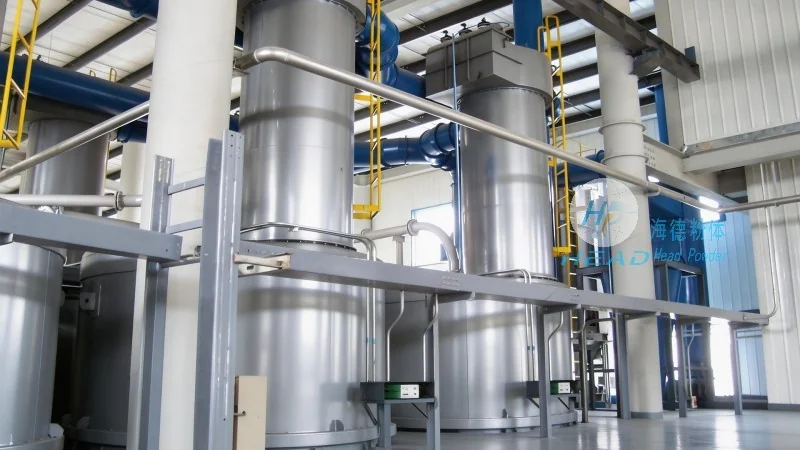
Working Principle of Soil Material Conveying Equipment
The core working principle of soil material conveying systems revolves around the mechanical movement of materials from a source to a destination. Common types of equipment include belt conveyors, screw conveyors, and bucket elevators. Belt conveyors use a continuous belt to transport materials, while screw conveyors utilize a rotating screw to push materials forward. For soil materials, which often have varying moisture content and particle sizes, the design of the conveyor system must account for these characteristics to ensure smooth operation. For instance, the belt material may be made of heavy-duty rubber to withstand abrasion from soil particles, and the conveyor speed is adjustable to control the flow rate. The system typically starts with a hopper or feeder that loads the soil material onto the conveyor, which then transports it to the desired location, such as a storage silo or processing plant. The control system, often integrated with sensors, monitors the flow rate and adjusts the motor speed as needed to maintain optimal performance.
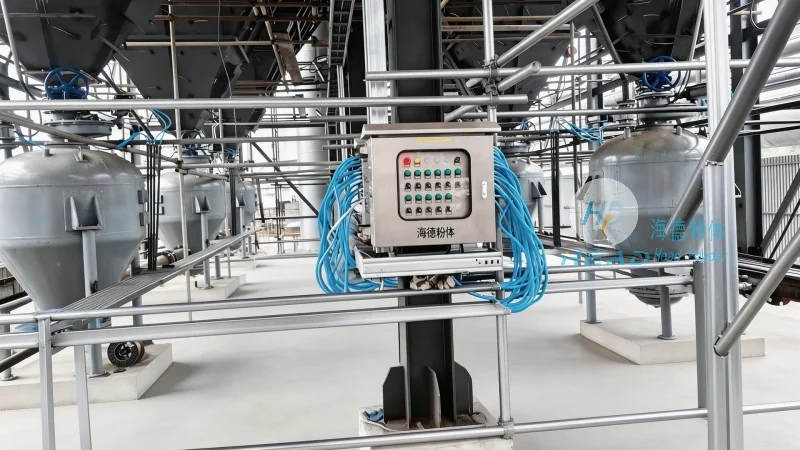
Key Features of Soil Material Conveying Systems
Several key features distinguish high-quality soil material conveying systems. First, efficiency is a primary feature, as these systems are designed to minimize downtime and maximize throughput. Advanced control systems allow for real-time monitoring and adjustment, ensuring consistent material flow. Second, adaptability is crucial, as soil materials can vary significantly in properties. Many modern systems are equipped with adjustable components, such as variable-speed drives and flexible hoppers, to accommodate different soil types and conditions. Third, durability is essential due to the abrasive nature of soil particles. High-quality materials, such as stainless steel or reinforced rubber, are used in the construction of the conveyor components to extend the equipment's lifespan. Fourth, safety features are integrated to protect operators and prevent accidents. These may include emergency stop buttons, safety guards, and overload protection mechanisms. Additionally, the systems are designed to be low-maintenance, with easy access to components for routine inspections and repairs.
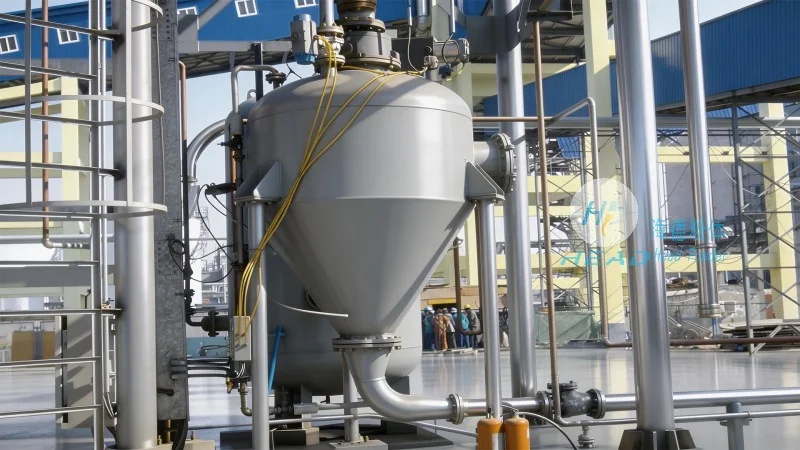
Company Profile: Shandong HeadPowder Engineering Co., Ltd.
Shandong HeadPowder Engineering Co., Ltd., commonly known as headpowder, is a leading manufacturer of soil material conveying systems. The company is based in Shandong, China, and has a strong reputation for producing reliable and efficient equipment tailored to the needs of various industries. With years of experience in the engineering and manufacturing sector, headpowder specializes in designing and producing conveyor systems that meet the highest standards of performance and durability. The company's products are widely used in construction sites, mining operations, and environmental projects, where efficient material handling is critical. By focusing on innovation and customer satisfaction, headpowder has established itself as a trusted partner for businesses seeking high-quality soil material conveying solutions.