

Working Principle and Features of Masterbatch Granule Material Conveying Lines
Masterbatch granule material conveying lines are essential equipment in the plastic processing industry, designed to efficiently transport masterbatch granules from storage to processing machines. This article explores the working principle and key features of such systems, highlighting their importance in ensuring smooth production workflows.
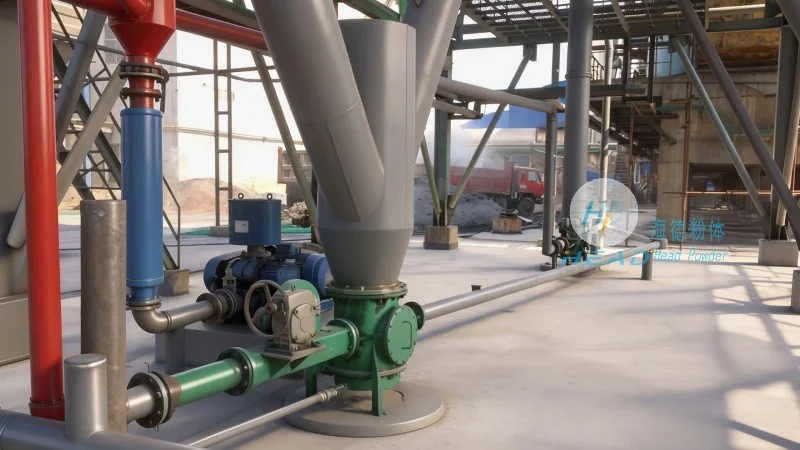
About HeadPowder: Your Trusted Provider of Material Handling Solutions
HeadPowder, or Shandong HeadPowder Engineering Co., Ltd., is a leading manufacturer based in Shandong, China. With a strong commitment to quality and innovation, the company specializes in developing advanced material conveying systems tailored to the needs of the plastic and polymer industries. HeadPowder's expertise lies in creating reliable, efficient, and durable equipment that enhances production efficiency and reduces operational costs for clients worldwide.
Understanding the Working Principle of Masterbatch Granule Conveying Lines
The core working principle of a masterbatch granule material conveying line involves a series of interconnected components working in harmony to move granules from a storage hopper to the processing equipment. The process typically begins with the masterbatch granules being fed from a storage silo or hopper into a feeding device, such as a rotary valve or screw feeder. This feeding mechanism ensures a consistent and controlled flow of granules into the conveying system.
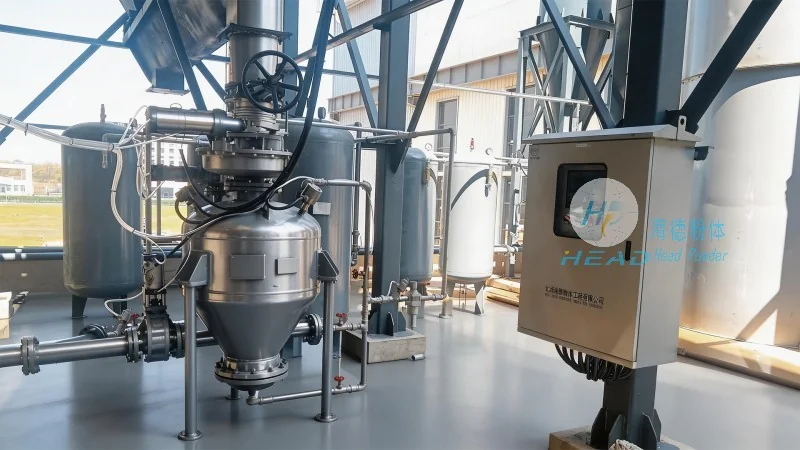
Once the granules are fed into the system, they are transported through a pipeline using positive displacement or pneumatic conveying methods. Positive displacement systems, like rotary lobe pumps or screw conveyors, use mechanical action to push the granules forward, while pneumatic systems utilize compressed air to create a flow that carries the granules through the pipeline. The choice of conveying method depends on factors such as the material's characteristics, required conveying distance, and production volume.
During the conveying process, the system may include components like airlocks, filters, and pressure regulators to maintain consistent flow and prevent material degradation or contamination. These components ensure that the masterbatch granules are transported safely and efficiently, maintaining their quality and integrity throughout the process. The conveying line typically ends with a discharge unit, such as a rotary valve or a metering pump, which controls the flow of granules into the downstream processing equipment, such as an extruder or mixer.
Key Features of Masterbatch Granule Material Conveying Lines
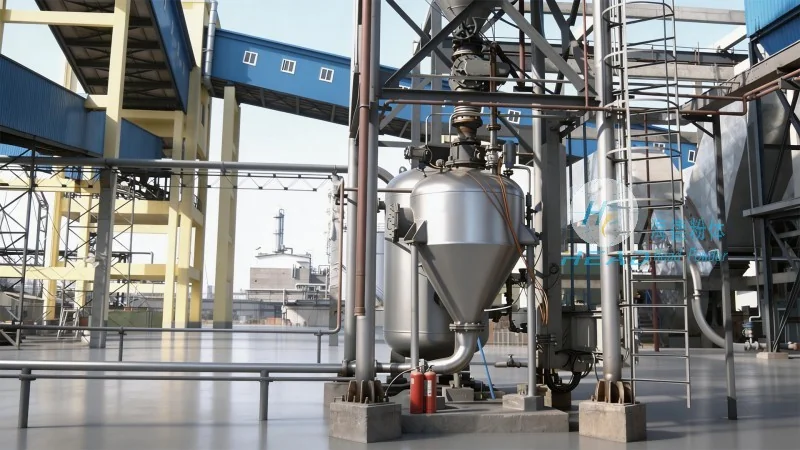
Masterbatch granule material conveying lines from HeadPowder are designed with several key features that set them apart in the industry. One of the primary features is their high efficiency and reliability. These systems are engineered to handle high volumes of masterbatch granules with minimal downtime, ensuring that production lines operate continuously and meet tight deadlines.
Another notable feature is the system's adaptability. HeadPowder's conveying lines can be customized to accommodate various types of masterbatch granules, including different sizes, shapes, and densities. This flexibility allows the equipment to be used across a wide range of applications, from standard plastic processing to specialized polymer manufacturing.
Furthermore, the conveying lines are built with durability and low maintenance in mind. High-quality materials, such as stainless steel and corrosion-resistant components, are used to construct the pipelines and feeding mechanisms, ensuring long-term performance even in harsh industrial environments. The design also incorporates easy-to-clean features, which is crucial for maintaining hygiene standards in food and medical applications.
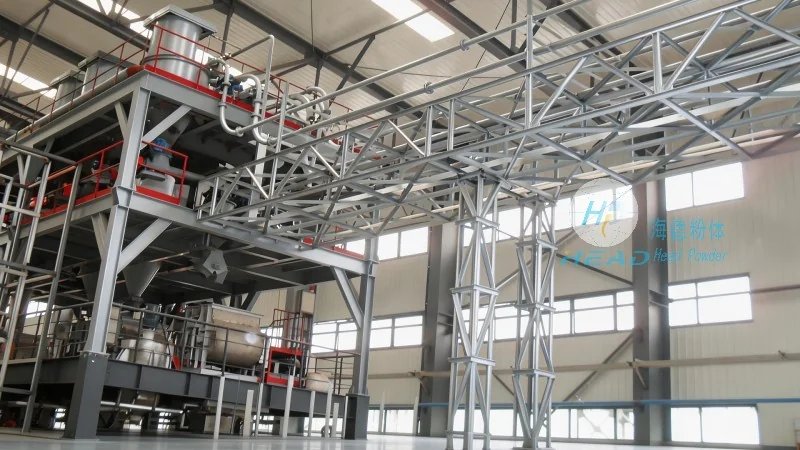
Control and automation are also critical features of these systems. Modern conveying lines are equipped with advanced control panels and sensors that monitor the flow rate, pressure, and temperature of the granules. This real-time monitoring allows operators to adjust the system parameters as needed, optimizing performance and preventing potential issues before they become major problems. The integration of automation also reduces the need for manual intervention, enhancing safety and reducing labor costs.
Conclusion: Enhancing Production Efficiency with Masterbatch Granule Conveying Lines
In conclusion, masterbatch granule material conveying lines are vital components of modern plastic processing operations. By understanding the working principle and leveraging the key features of these systems, manufacturers can significantly improve their production efficiency, reduce costs, and maintain product quality. HeadPowder, with its expertise and commitment to quality, offers reliable and customized conveying solutions that meet the diverse needs of the industry. Whether you are a new or established manufacturer, investing in a high-quality masterbatch granule conveying line from HeadPowder can be a strategic decision to enhance your production capabilities and stay competitive in the market.