

Principles and Working Scene Characteristics of Multi-functional Powder Conveying Lines
Shandong HeadPowder Engineering Co., Ltd., commonly known as headpowder, specializes in the design, manufacturing, and integration of advanced powder handling systems. Based in Shandong, China, the company has established itself as a leading provider of innovative solutions for the efficient and reliable transportation of bulk powders across various industrial applications.
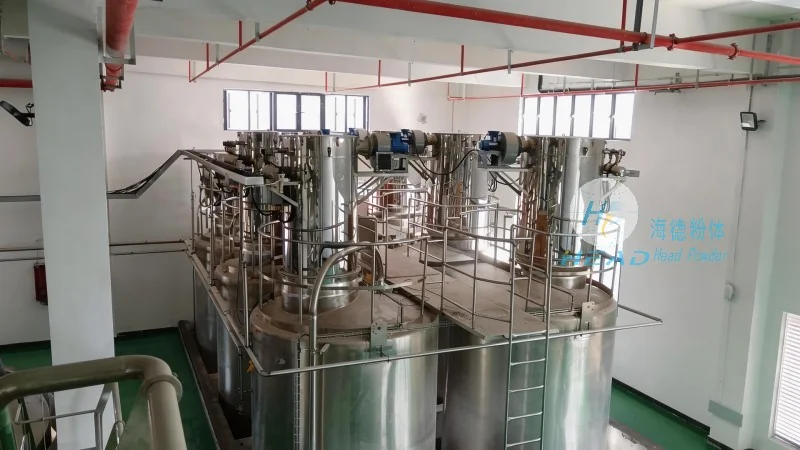
At the core of headpowder's product portfolio is the multi-functional powder conveying line, a sophisticated system engineered to address the diverse challenges faced by industries that rely on bulk material handling. This comprehensive solution combines advanced technology with robust engineering to ensure optimal performance, safety, and adaptability in different operational environments.
Principles of Multi-functional Powder Conveying Lines
The fundamental principle behind multi-functional powder conveying lines is the integration of multiple conveying technologies to create a versatile system capable of handling a wide range of powder characteristics and processing requirements. These systems typically incorporate components such as screw conveyors, pneumatic conveyors, and bucket elevators, each tailored to specific material properties and operational needs. The design philosophy emphasizes modularity and flexibility, allowing for easy customization and integration with existing production lines.
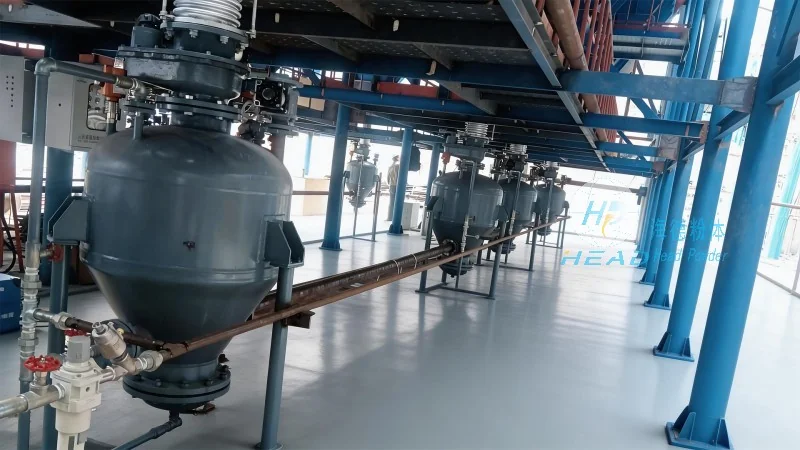
Key to the efficiency of these systems is the precise control of material flow and pressure. Advanced control systems, often equipped with sensors and real-time monitoring capabilities, ensure that the conveying process operates within optimal parameters. This not only enhances productivity but also minimizes material degradation and loss, which are critical concerns in industries such as pharmaceuticals, food processing, and chemical manufacturing.
Working Scene Characteristics of Multi-functional Powder Conveying Lines
The working scene characteristics of multi-functional powder conveying lines are tailored to meet the unique demands of different industrial settings. For instance, in pharmaceutical manufacturing, where hygiene and contamination control are paramount, these systems are designed with stainless steel components and sealed enclosures to maintain stringent sanitary standards. The conveying process is often performed under vacuum or pressure to prevent dust emissions and ensure product purity.
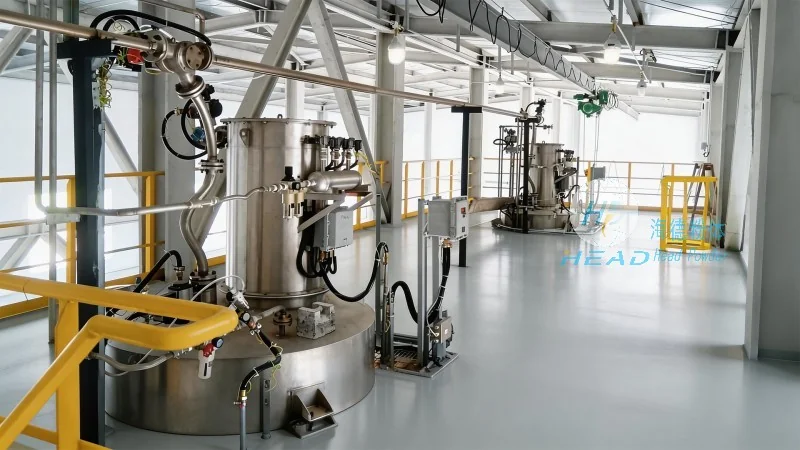
In the food industry, the focus shifts to material safety and compliance with regulatory standards. Multi-functional powder conveying lines are equipped with features like CIP (Clean-in-Place) capabilities and non-stick surfaces to facilitate easy cleaning and prevent cross-contamination. The systems are also designed to handle sensitive food powders, such as dairy or bakery products, without compromising their quality or freshness.
In the chemical and mining sectors, the emphasis is on durability and resistance to corrosive materials. These conveying lines are constructed with materials like stainless steel, rubber, or special alloys to withstand harsh chemical environments and abrasive particles. The robust design ensures long-term reliability and minimal maintenance, making them suitable for heavy-duty applications.
Application Scenarios and Operational Advantages
Multi-functional powder conveying lines are widely employed in various application scenarios, including raw material handling, intermediate processing, and product packaging. In raw material handling, these systems efficiently transport bulk powders from storage silos to processing units, reducing manual labor and improving workflow efficiency. During intermediate processing, the conveying lines ensure consistent material feed to downstream equipment, such as mixers or reactors, which is crucial for maintaining product quality and batch consistency.
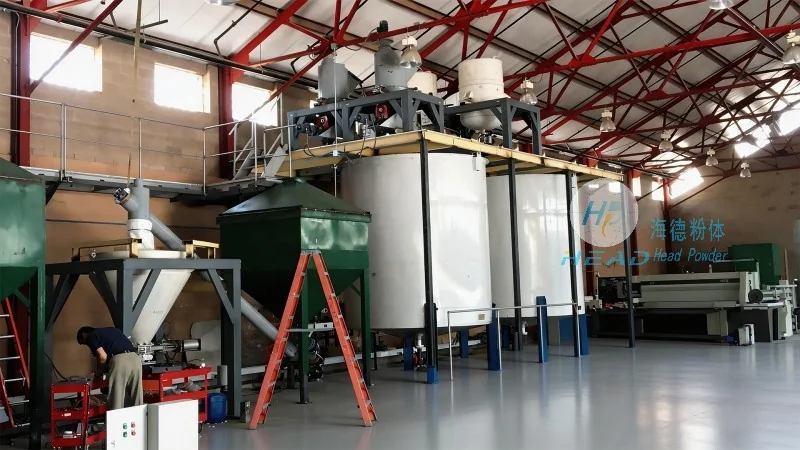
For product packaging, the systems are integrated with weighing and filling mechanisms to deliver precise dosing of powders into containers. This automation enhances accuracy and reduces human error, leading to higher production throughput and lower operational costs. The adaptability of these conveying lines allows them to be configured for different product types and production scales, from small-scale batch processing to large-scale continuous operations.
Operational advantages of multi-functional powder conveying lines extend beyond efficiency and reliability. The systems contribute to improved workplace safety by minimizing dust exposure and eliminating the need for manual handling of heavy or hazardous materials. This not only reduces the risk of occupational injuries but also complies with environmental regulations by controlling dust emissions and preventing pollution. Additionally, the energy-efficient design of modern conveying systems helps reduce operational costs and environmental impact, aligning with sustainability goals in industrial operations.