

Introduction to Cobalt Hydroxide Pneumatic Conveying and the Working Principle of Pneumatic Conveyin
Understanding the efficient and effective transportation of materials is crucial in various industrial processes, and pneumatic conveying systems have emerged as a key technology for handling bulk materials like cobalt hydroxide. This article provides an overview of cobalt hydroxide pneumatic conveying, detailing the working principles of such systems and highlighting the role of specialized engineering companies in optimizing material transport.
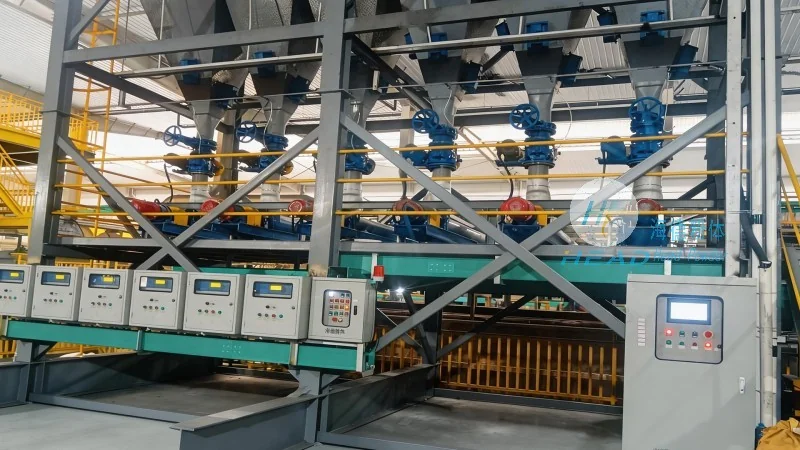
Overview of Cobalt Hydroxide Pneumatic Conveying
Cobalt hydroxide is a critical chemical compound widely used in battery manufacturing, catalyst production, and other industrial applications. The need to transport this material efficiently and safely has led to the development of advanced pneumatic conveying systems. These systems offer advantages such as reduced dust generation, improved material handling flexibility, and enhanced safety compared to traditional methods like belt conveyors or bucket elevators. By utilizing air pressure to move the material, pneumatic conveying systems can transport cobalt hydroxide over long distances with minimal environmental impact and operational complexity.
Working Principle of Pneumatic Conveying Systems
The fundamental principle behind pneumatic conveying is the use of compressed air or gas to create a flow that transports solid particles. In a typical system, the material is introduced into a hopper or feeder, where it is then drawn into a pipeline by the moving air stream. The system operates based on the balance between the air velocity and the particle size and density. The air velocity must be sufficient to overcome the gravitational force acting on the particles and any friction within the system. This balance ensures that the material is carried along the pipeline without settling or clogging. The system typically includes components such as a blower or compressor, a hopper, a feeder, a pipeline network, and a receiver or discharge point. Each component plays a vital role in ensuring the smooth and continuous transport of cobalt hydroxide.
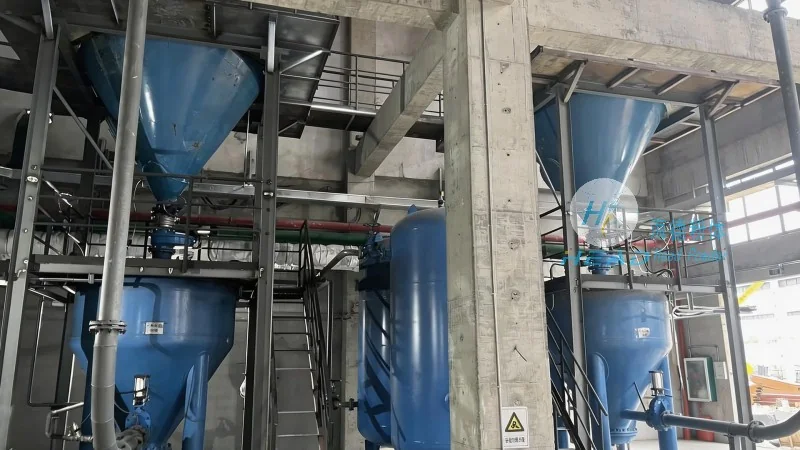
Key Components of a Pneumatic Conveying System
For the efficient operation of a cobalt hydroxide pneumatic conveying system, several key components are essential. The blower or compressor provides the necessary air pressure and volume to move the material. The hopper serves as a storage and feeding device, ensuring a consistent supply of cobalt hydroxide to the system. The feeder, often a rotary valve or screw feeder, controls the flow rate of the material into the pipeline, preventing overloading and maintaining system stability. The pipeline network connects the various components and transports the material from the feeder to the receiver. The receiver, typically a hopper or silo, collects the material at the end of the conveying line. Additionally, components like filters, cyclones, and dust collectors are used to manage air quality and prevent dust accumulation, ensuring compliance with environmental regulations and maintaining system efficiency.
Advantages of Pneumatic Conveying for Cobalt Hydroxide
Implementing a pneumatic conveying system for cobalt hydroxide offers several benefits. Firstly, it minimizes the risk of dust exposure, which is crucial for maintaining a safe working environment and complying with occupational health standards. Secondly, the system reduces material degradation and contamination, as the material is enclosed within the pipeline, preventing contact with external elements. Thirdly, pneumatic conveying allows for flexible and scalable material transport, enabling adjustments to production rates and conveyor length without significant modifications to the system. Furthermore, the technology is energy-efficient compared to other bulk material handling methods, as it utilizes compressed air that can be recycled and reused within the system. These advantages make pneumatic conveying an ideal solution for industries dealing with cobalt hydroxide and other fine powders.
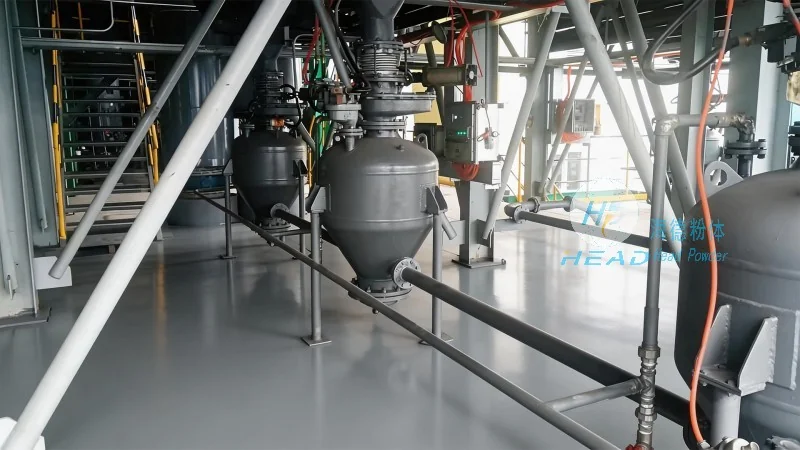
Role of Shandong HeadPowder Engineering Co., Ltd. in Pneumatic Conveying Solutions
Shandong HeadPowder Engineering Co., Ltd., a leading engineering company based in Shandong, China, specializes in the design, installation, and maintenance of pneumatic conveying systems for various industrial applications. With years of experience in material handling technologies, the company has developed expertise in optimizing systems for handling sensitive materials like cobalt hydroxide. The company's team of engineers and technicians works closely with clients to understand their specific material handling needs, providing customized solutions that enhance efficiency, safety, and cost-effectiveness. By leveraging advanced engineering principles and state-of-the-art equipment, Shandong HeadPowder Engineering Co., Ltd. ensures that its pneumatic conveying systems meet the highest standards of performance and reliability. The company's commitment to quality and customer satisfaction has made it a trusted partner for industries requiring reliable and efficient material transport solutions.
Conclusion and Future Outlook
In conclusion, pneumatic conveying systems represent a sophisticated and effective method for transporting cobalt hydroxide and other bulk materials. The working principles and key components of such systems have been detailed, highlighting their advantages in terms of safety, efficiency, and flexibility. The role of specialized engineering companies like Shandong HeadPowder Engineering Co., Ltd. is critical in designing and implementing these systems to meet the specific needs of industrial clients. As industries continue to seek more sustainable and efficient material handling solutions, the importance of pneumatic conveying technology is likely to grow. With ongoing advancements in system design and material handling technologies, the future of cobalt hydroxide and other fine powder transport through pneumatic conveying systems looks promising, offering continued improvements in performance and operational benefits.