

Introduction to Powdered Cathode Material Pneumatic Conveying and Principles of Pneumatic Conveying
In the production of lithium-ion batteries, the handling of cathode materials—fine powders with high surface area and complex chemical compositions—requires specialized equipment to maintain product integrity and operational efficiency. Pneumatic conveying systems have emerged as a critical technology for transporting these materials, offering a non-contact method that minimizes contamination and degradation. This article provides an in-depth look at pneumatic conveying systems for powdered cathode materials, detailing their working principles, key components, and practical applications in the battery materials industry.
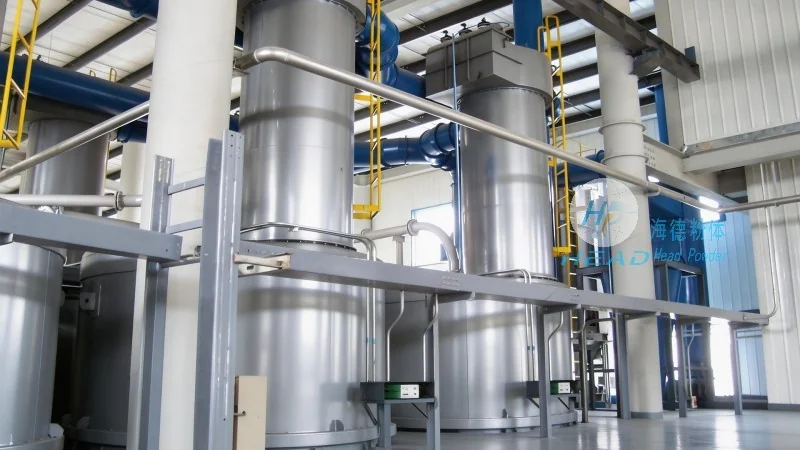
Core Principles of Pneumatic Conveying for Cathode Materials
Pneumatic conveying systems operate on the principle of using compressed air or vacuum to move solid materials through a pipeline. For cathode powders, which are often fine, abrasive, and prone to agglomeration, this method is particularly advantageous. The system creates a pressure differential that propels the material along the conveying line, ensuring that the delicate properties of the cathode material are preserved. There are two primary types of pneumatic conveying: pressure systems, which use high-pressure air at the feed point, and vacuum systems, which create a negative pressure at the discharge end to draw material into the line. Each type has specific applications depending on the material characteristics and system layout.
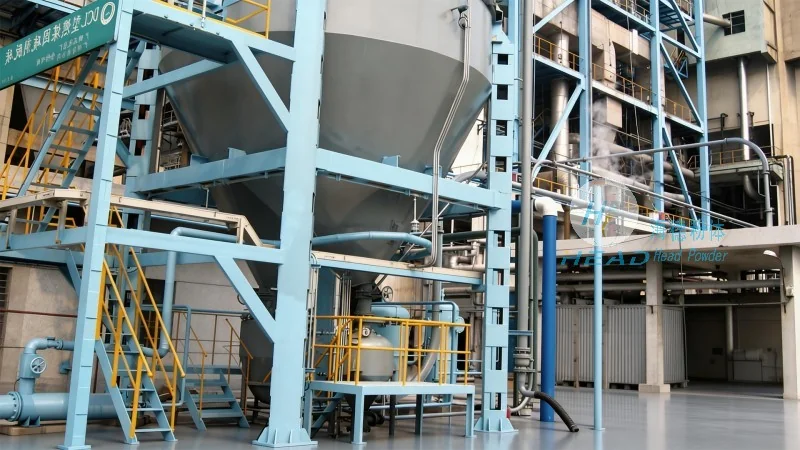
Key Components and Their Functions in a Pneumatic Conveying System
A well-designed pneumatic conveying system for cathode materials includes several essential components, each contributing to the efficient and reliable transport of the material. The material feeder is a critical component, as it must accurately meter the cathode powder into the conveying line without causing blockages or uneven flow. Common feeder types include rotary valves, screw feeders, and vibratory feeders, each chosen based on the material's flowability and particle size. The conveying line itself is typically made of stainless steel or other corrosion-resistant materials to prevent contamination and ensure durability. A separator or filter is often integrated into the system to remove entrained air and fine particles from the material stream, preventing them from entering downstream processes or the environment. The receiver or storage vessel collects the material at the discharge end, allowing for further processing or packaging. Additionally, a blower or compressor provides the necessary air pressure, while control valves regulate the flow of air and material to maintain system stability.
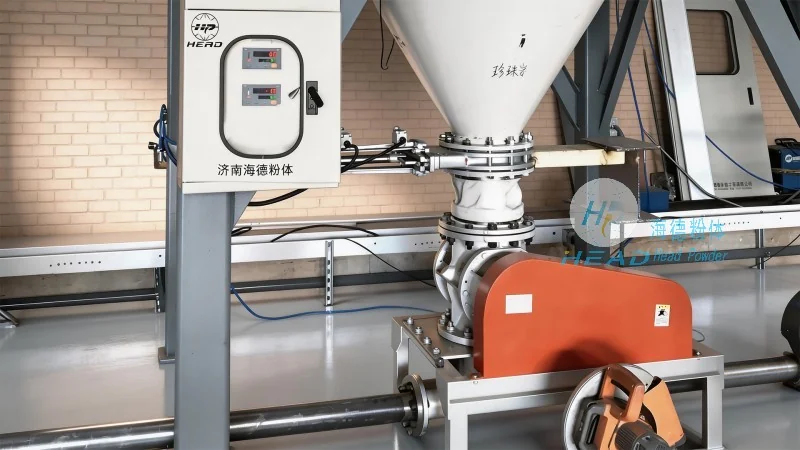
Advantages of Pneumatic Conveying in Cathode Material Processing
Compared to traditional mechanical conveying methods, pneumatic conveying offers several key advantages for cathode material handling. First, it eliminates the need for physical contact between the material and the conveying equipment, reducing the risk of contamination from metal particles or other foreign substances. This is particularly important for cathode materials, which are sensitive to impurities that can affect battery performance. Second, pneumatic systems can handle fine powders with high flowability, ensuring consistent material transport without the need for excessive energy input. Third, the systems are flexible and can be easily integrated into existing production lines, allowing for modular expansion as production needs change. Finally, pneumatic conveying can be designed to operate in both batch and continuous modes, providing versatility for different production scenarios.
HeadPowder Engineering: Customized Solutions for Pneumatic Conveying
Shandong HeadPowder Engineering Co., Ltd. is a leading engineering firm specializing in material handling solutions for the battery materials sector. With a focus on the unique challenges of cathode material processing, HeadPowder provides customized pneumatic conveying systems that meet the specific requirements of its clients. The company's engineers work closely with clients to understand their production processes, material characteristics, and quality standards, then design systems that optimize material flow, minimize product loss, and ensure consistent output. HeadPowder's solutions are built with high-quality components and advanced control systems, ensuring long-term reliability and low maintenance costs. The company also offers installation, commissioning, and after-sales support to ensure that its systems operate at peak efficiency throughout their service life. By leveraging its expertise in pneumatic conveying technology, HeadPowder helps battery manufacturers improve their operational efficiency, reduce costs, and enhance product quality.
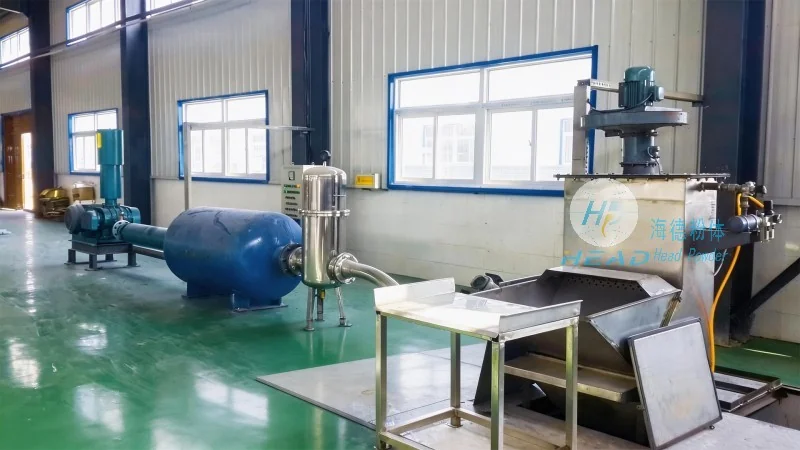
Conclusion and Industry Impact
Pneumatic conveying systems have become an indispensable part of modern cathode material processing, offering a reliable and efficient method for transporting fine powders while preserving product integrity. As the demand for lithium-ion batteries continues to grow, the importance of advanced material handling technology like pneumatic conveying will only increase. Companies like Shandong HeadPowder Engineering Co., Ltd. play a crucial role in advancing this technology, providing the expertise and solutions needed to meet the evolving demands of the battery materials industry. By investing in high-quality pneumatic conveying systems, manufacturers can ensure that their production processes are optimized, their products meet the highest standards, and they remain competitive in the global market.