

Introduction to Quartz Sand Particle Pneumatic Conveying and the Working Principle of Pneumatic Conv
Quartz sand, a widely used industrial material, often requires efficient and reliable transportation methods to move it from one location to another. Pneumatic conveying systems have emerged as a preferred solution for handling quartz sand particles due to their ability to transport materials in a closed system, minimizing dust exposure and ensuring consistent flow. This article provides an overview of quartz sand particle pneumatic conveying, detailing the working principles of such systems and highlighting the key components involved.
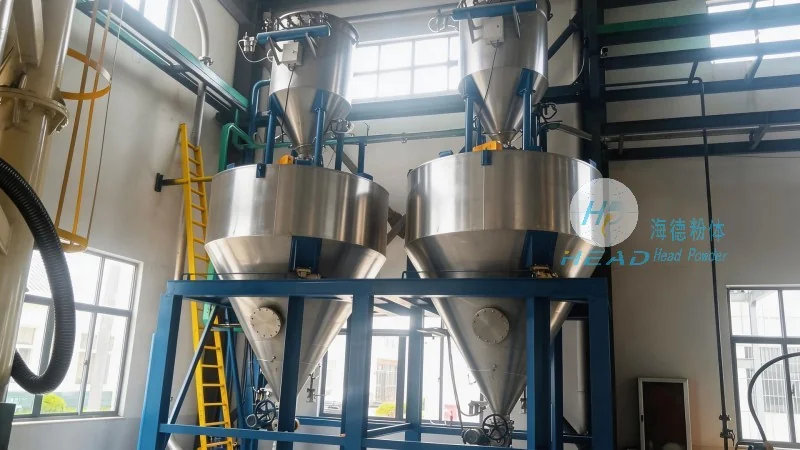
Overview of Pneumatic Conveying Systems for Quartz Sand
Pneumatic conveying systems are designed to transport bulk materials like quartz sand using a combination of air and pressure. These systems are particularly advantageous for quartz sand because they can handle fine to medium-sized particles without the need for mechanical components that might cause wear or contamination. The primary goal of a quartz sand pneumatic conveying system is to move the material from a source, such as a hopper or storage silo, to a destination, such as a processing unit or packaging area, while maintaining product integrity and operational efficiency.
Key Components of a Quartz Sand Pneumatic Conveying System
A typical quartz sand pneumatic conveying system consists of several critical components that work in tandem to achieve effective material transport. These components include the material feed hopper, which holds the quartz sand and controls the flow rate; the air compressor or blower, which generates the necessary air pressure to move the particles; the conveying line, which is typically made of metal or flexible tubing to withstand the pressure and material flow; and the receiving hopper or silo, where the quartz sand is deposited at the destination. Additionally, the system may include filters, cyclones, and pressure relief valves to ensure safe and efficient operation.
The Working Principle of Quartz Sand Pneumatic Conveying
The operation of a quartz sand pneumatic conveying system is based on the principle of creating a pressure differential between the source and destination. The air compressor or blower generates high-pressure air, which is then introduced into the conveying line. As the air flows through the line, it picks up the quartz sand particles from the feed hopper, forming a slurry or suspension. The air and particles travel together through the conveying line to the receiving hopper, where the air is separated from the sand using a cyclone or filter. The air is then recycled back to the compressor, while the quartz sand is collected for further processing. This process allows for continuous and automated transport of quartz sand, reducing labor costs and improving safety by eliminating manual handling of the material.
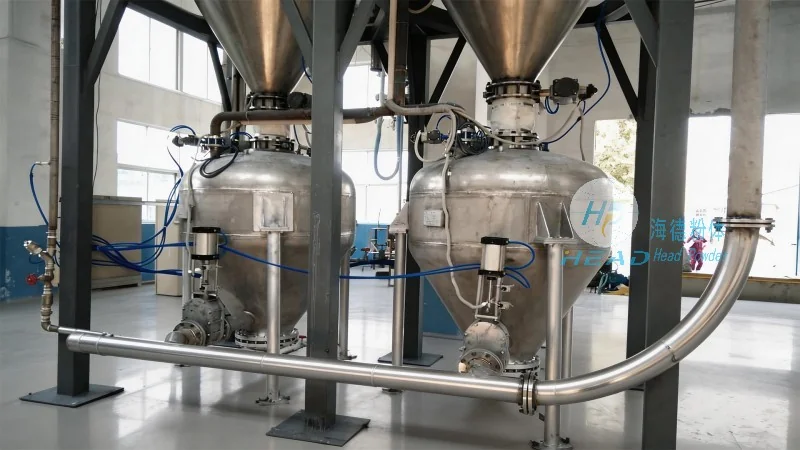
Advantages of Using Pneumatic Conveying for Quartz Sand
Implementing a pneumatic conveying system for quartz sand offers several benefits that make it a preferred choice in industrial applications. One of the most significant advantages is the reduction of dust and airborne particles, which improves workplace safety and compliance with environmental regulations. Unlike mechanical conveyors, pneumatic systems do not require moving parts in contact with the material, minimizing wear and extending the lifespan of the equipment. Additionally, pneumatic conveying allows for flexible system layouts, as the conveying line can be routed around obstacles or through multiple locations. This flexibility is particularly useful in facilities where space is limited or where the material needs to be transported to different processing units. Furthermore, pneumatic systems can handle a wide range of particle sizes and densities, making them suitable for various quartz sand applications, from fine powders to coarser granules.
Applications of Quartz Sand Pneumatic Conveying
Quartz sand pneumatic conveying systems are widely used in several industries that rely on quartz sand as a raw material. In the glass manufacturing industry, for example, quartz sand is a primary ingredient in glass production, and pneumatic conveying ensures that the material is delivered to the furnace in a controlled manner, maintaining consistent quality and reducing the risk of contamination. In the construction industry, quartz sand is used in concrete and mortar production, and pneumatic systems help transport the sand from storage to mixing sites efficiently. The mining and mineral processing industries also utilize pneumatic conveying to transport quartz sand from processing plants to storage facilities or for further processing. Additionally, in the chemical and pharmaceutical industries, where quartz sand is used as a filtration medium or as a filler in products, pneumatic systems provide a clean and hygienic method of handling the material, preventing cross-contamination and ensuring product purity.
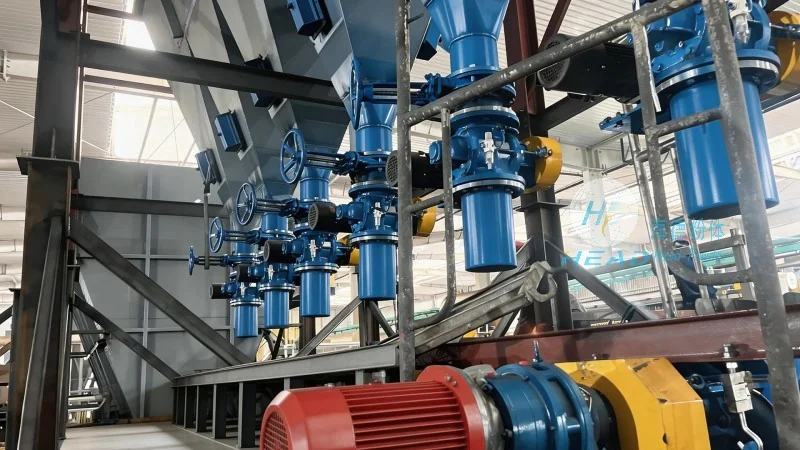
Considerations for Designing a Quartz Sand Pneumatic Conveying System
When designing a pneumatic conveying system for quartz sand, several factors must be considered to ensure optimal performance and efficiency. The first consideration is the particle size and density of the quartz sand, as these characteristics affect the air velocity required for effective transport. Larger or denser particles may require higher air pressure or a different conveying line diameter to ensure smooth flow. The system layout is another critical factor, as the distance between the source and destination, as well as any obstacles or changes in elevation, will impact the system design. For long-distance or high-elevation transport, a positive pressure system may be more suitable, while a negative pressure system is often used for shorter distances or when the material needs to be collected from multiple points. The choice of materials for the conveying line and components is also important, as quartz sand can be abrasive and may cause wear on metal surfaces. Using corrosion-resistant materials or adding liners to the conveying line can extend the system's lifespan and reduce maintenance costs.
Maintenance and Operational Tips for Quartz Sand Pneumatic Conveying Systems
Proper maintenance and operational practices are essential to ensure the longevity and efficiency of a quartz sand pneumatic conveying system. Regular cleaning of the conveying line and components is crucial to prevent buildup of quartz sand particles, which can reduce airflow and increase pressure drop. Filters and cyclones should be checked and cleaned regularly to maintain their effectiveness in separating air from the material. The air compressor or blower should be inspected for proper operation, including checking for leaks and ensuring the correct air pressure is maintained. Additionally, monitoring the system's performance, such as pressure and flow rates, can help identify any issues early and prevent system failures. By following these maintenance and operational tips, users can maximize the lifespan of their pneumatic conveying system and ensure consistent and reliable transport of quartz sand.
Conclusion
Pneumatic conveying systems offer an efficient and effective solution for transporting quartz sand particles in industrial applications. By understanding the working principles and key components of such systems, users can design and operate a system that meets their specific needs. The advantages of reduced dust exposure, flexibility, and ability to handle various particle sizes make pneumatic conveying a preferred choice for many industries. With proper design, maintenance, and operational practices, quartz sand pneumatic conveying systems can provide reliable and cost-effective material transport, contributing to improved productivity and safety in industrial settings.