

What is Gelatin Pneumatic Conveying Equipment? An Introduction to the Structure and Principle of Pow
Gelatin, a versatile hydrocolloid widely used in food, pharmaceutical, and industrial applications, often requires efficient and hygienic handling during processing. Among the various methods for transporting gelatin and other fine powders, pneumatic conveying systems have emerged as a preferred solution due to their ability to maintain product integrity and minimize contamination risks. This article delves into the structure and operational principles of gelatin pneumatic conveying equipment, highlighting the key components and how they work together to ensure reliable powder transport.
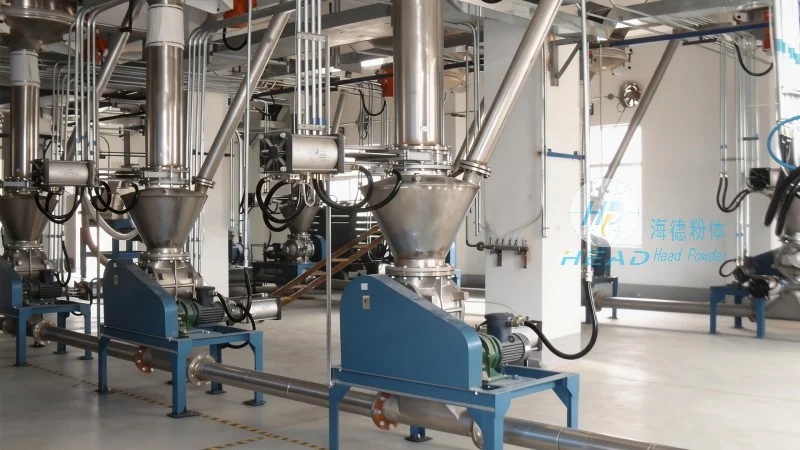
Key Components of Gelatin Pneumatic Conveying Systems
The core of any pneumatic conveying system for gelatin or similar powders consists of several critical components that work in tandem to achieve effective material transfer. These components include the material feed system, conveying pipeline, air supply unit, and separation and collection devices. Each part plays a vital role in ensuring the system operates efficiently and safely. Systems like these are often engineered by companies such as Shandong HeadPowder Engineering Co., Ltd., which focuses on delivering reliable and hygienic solutions for powder handling in demanding industries.
Firstly, the material feed system is responsible for introducing the gelatin powder into the conveying line. This may involve a hopper or a feeder that can handle varying bulk densities and flow rates, ensuring a consistent feed to the system. For gelatin, which can be sensitive to moisture and temperature, the feed system is often designed with hygienic materials and features such as airtight seals to prevent contamination and maintain product quality.
Secondly, the conveying pipeline forms the main pathway for the powder and air mixture. The pipeline is typically made of stainless steel or other corrosion-resistant materials to withstand the chemical properties of gelatin and ensure durability. The design of the pipeline, including the use of bends, elbows, and straight sections, is crucial for maintaining the flow of the material and preventing blockages or degradation of the powder.
Thirdly, the air supply unit provides the necessary pressure or vacuum to move the gelatin particles through the pipeline. This unit can be a blower or a vacuum pump, depending on the system configuration (either positive or negative pressure). The air flow rate and pressure are carefully controlled to match the specific characteristics of the gelatin, such as particle size, density, and moisture content, to achieve optimal conveying efficiency.
Finally, the separation and collection devices are essential for recovering the gelatin powder from the air stream and returning it to the process. These devices include cyclones, filters, and dust collectors, which separate the solid particles from the air and collect them in a designated container. The design of these components is critical for maintaining product purity and preventing dust emissions, which is particularly important in food and pharmaceutical industries where hygiene standards are stringent.
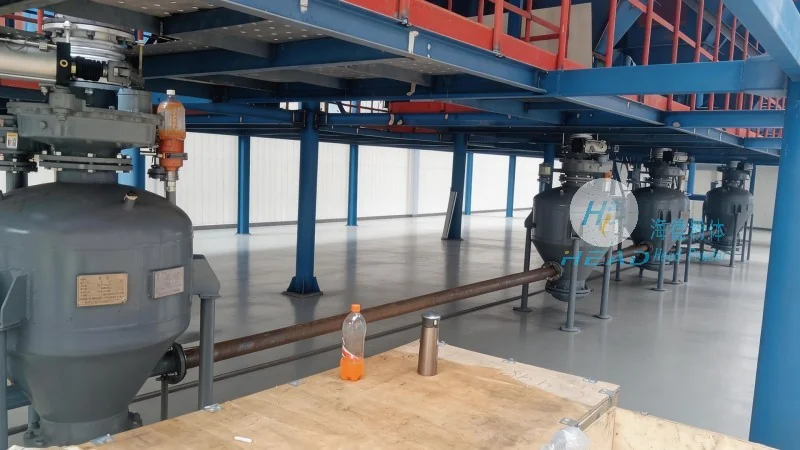
Operational Principles of Gelatin Pneumatic Conveying
The operational principle of gelatin pneumatic conveying systems revolves around the movement of powder particles using air as the conveying medium. There are two primary types of pneumatic conveying systems: positive pressure and negative pressure. The choice between these systems depends on factors such as the distance to be covered, the amount of material to be transported, and the specific requirements of the gelatin handling process.
In a positive pressure system, air is supplied under pressure to the conveying line, pushing the gelatin particles forward. The air and powder mixture is then discharged from the end of the pipeline into a collection hopper or storage container. This method is often used for short to medium distances and is suitable for transporting large quantities of gelatin with relatively low particle sizes.
Conversely, a negative pressure system operates by creating a vacuum in the pipeline, drawing the gelatin particles into the line using the air flow. The air and powder mixture is then collected at the inlet of the system and directed to the destination. Negative pressure systems are typically used for longer distances or when the material needs to be transported from multiple sources to a single collection point.
During operation, the gelatin particles are suspended in the air stream and carried through the pipeline. The velocity of the air is a critical factor, as it must be sufficient to keep the particles airborne but not so high as to cause excessive wear on the pipeline or damage to the powder. The system's design, including the size of the pipeline and the air flow rate, is optimized to achieve this balance, ensuring efficient and reliable transport of the gelatin.
Advantages of Using Gelatin Pneumatic Conveying Equipment
Implementing gelatin pneumatic conveying systems offers several advantages over traditional methods such as belt conveyors or manual handling. One of the primary benefits is the ability to maintain product purity and integrity. Since the material is never in direct contact with the conveying equipment, the risk of contamination from metal, dust, or other foreign particles is significantly reduced. This is particularly important for gelatin used in food and pharmaceutical applications, where strict hygiene regulations must be adhered to.
Another advantage is the flexibility and scalability of pneumatic conveying systems. These systems can be easily modified or expanded to accommodate changes in production volume or process requirements. Whether the need is to transport gelatin from a single source to a single destination or to distribute it to multiple locations, the system can be configured to meet the specific needs of the operation.
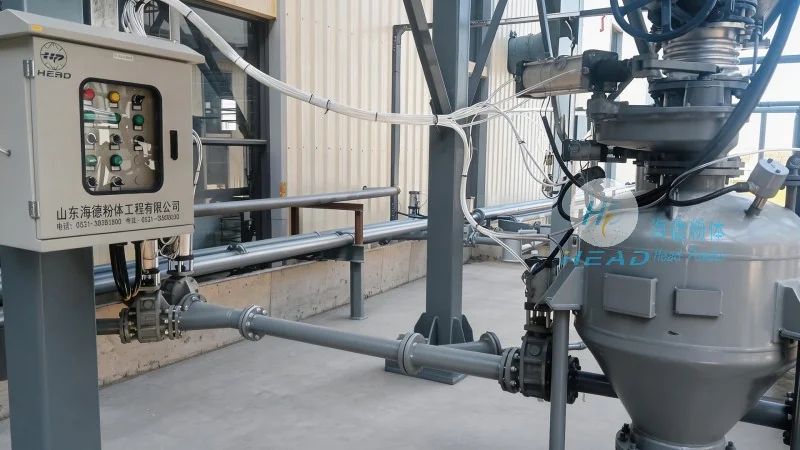
Furthermore, pneumatic conveying systems are energy-efficient and can reduce labor costs associated with manual handling. By automating the powder transport process, companies can improve operational efficiency and reduce the risk of accidents or injuries in the workplace. The compact design of these systems also allows for easier integration into existing production facilities, minimizing the need for major renovations or construction.
Applications in the Gelatin Industry
Gelatin pneumatic conveying equipment is widely used in various applications within the gelatin industry, including food processing, pharmaceutical manufacturing, and industrial applications. In food processing, for example, gelatin is often used as a gelling agent in products such as jellies, candies, and meat products. The pneumatic conveying system ensures that the gelatin is transported hygienically and efficiently from storage to the production line, maintaining its quality and consistency.
In pharmaceutical applications, gelatin is used in the production of capsules, tablets, and other dosage forms. The strict regulatory requirements in the pharmaceutical industry demand the highest standards of hygiene and product purity. Pneumatic conveying systems help meet these requirements by preventing contamination and ensuring that the gelatin is handled in a controlled environment.
In industrial applications, gelatin may be used as a binding agent in adhesives, coatings, or other products. The ability of pneumatic conveying systems to handle fine powders with precision and efficiency makes them ideal for these applications, where consistent quality and reliable transport are essential.
Conclusion
Gelatin pneumatic conveying equipment represents a sophisticated and effective solution for the transportation of fine powders, particularly in industries where product purity and hygiene are paramount. By understanding the structure and operational principles of these systems, manufacturers can optimize their operations, improve efficiency, and ensure compliance with industry standards. As the demand for high-quality gelatin products continues to grow, the role of advanced pneumatic conveying systems will become increasingly important in maintaining the integrity and quality of these valuable materials.