

[Coffee Pneumatic Conveying Equipment: An Introduction to the Structure and Operating Principles of
For coffee processing and distribution, efficient handling of coffee powders is crucial. Pneumatic conveying systems offer a reliable solution for transporting coffee grounds and other fine powders. This article explores the structure and operational principles of coffee pneumatic conveying equipment, highlighting key components and their functions.
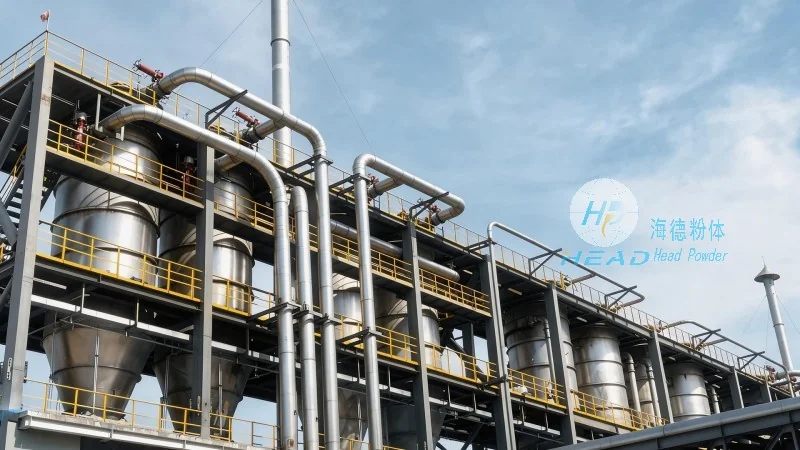
Understanding Pneumatic Conveying Systems in Coffee Processing
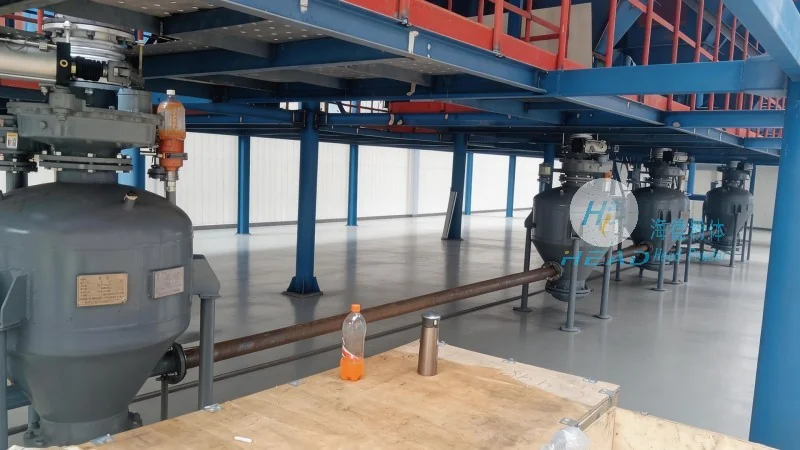
Pneumatic conveying equipment is designed to move dry bulk materials, such as coffee powders, through a pipeline using air or gas. This method eliminates the need for mechanical components like belts or buckets, reducing maintenance and increasing operational efficiency. The system typically consists of a blower, a hopper for material storage, a conveying line, and a discharge point. The blower generates airflow that pulls or pushes the coffee powder through the system, depending on the design.
Key Components of Coffee Pneumatic Conveying Equipment
The core components of a coffee pneumatic conveying system include the following:
1. Blower or Air Compressor: This is the power source that creates the necessary airflow. It can be a positive displacement blower or a centrifugal fan, depending on the system's requirements. The blower's capacity and pressure determine the system's conveying capacity and distance.
2. Material Hopper: The hopper is where coffee powders are stored before being fed into the conveying line. It often includes a feeder mechanism, such as a rotary valve or a screw feeder, to control the flow rate of the material.
3. Conveying Line: The pipeline through which the coffee powder travels. It is usually made of stainless steel or other corrosion-resistant materials to ensure hygiene and durability. The line may include bends, elbows, or expansion joints to accommodate changes in direction or elevation.
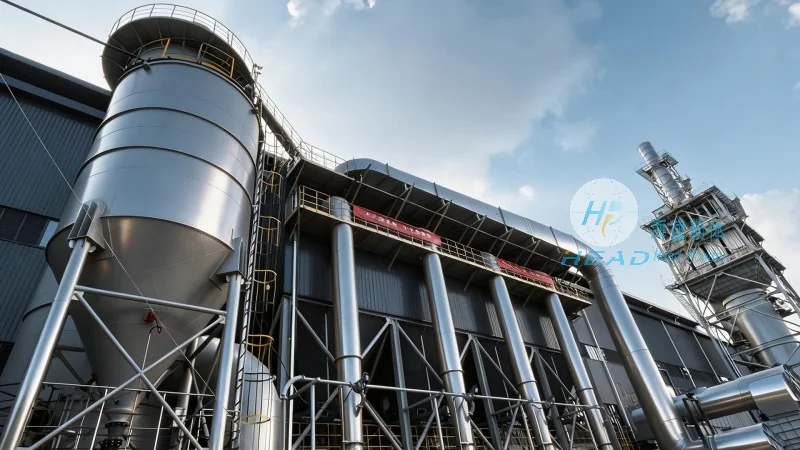
4. Filter and Dust Collector: As the coffee powder is conveyed, fine particles can be separated from the air stream. The filter and dust collector capture these particles, preventing contamination and ensuring clean air discharge.
5. Discharge Unit: The point where the coffee powder is deposited at its destination. This could be a storage silo, a packaging machine, or another processing unit. The discharge unit may include a valve or a hopper to control the material's release.
Operating Principles of Coffee Pneumatic Conveying
The operation of a coffee pneumatic conveying system involves several steps. First, the coffee powder is loaded into the hopper. The feeder then regulates the material flow into the conveying line. The blower generates a flow of air, which draws the coffee powder into the line. The air and powder mixture travels through the pipeline to the discharge point. At the discharge unit, the air is separated from the powder, often using a cyclone or a bag filter. The cleaned air is then released, while the coffee powder is collected for further processing or packaging.
Benefits of Using Pneumatic Conveying for Coffee Powder Handling
Pneumatic conveying systems offer several advantages for coffee processing facilities:
- Hygienic and Clean Operation: The enclosed pipeline prevents contamination from external sources, maintaining the quality and safety of the coffee powder.
- Reduced Downtime and Maintenance: With fewer mechanical parts compared to traditional systems, the risk of breakdowns is lower, and maintenance requirements are minimized.
- Flexible and Scalable: The system can be easily expanded or reconfigured to accommodate changes in production volume or processing needs.
- Energy Efficiency: Modern blowers are designed to operate efficiently, reducing energy consumption and operational costs.
About Shandong HeadPowder Engineering Co., Ltd.
Shandong HeadPowder Engineering Co., Ltd., operating under the brand name HeadPowder, specializes in the design, manufacturing, and supply of advanced powder handling equipment. With a focus on quality and innovation, the company provides customized solutions for various industries, including coffee processing. HeadPowder's expertise in pneumatic conveying systems ensures reliable and efficient material transport for coffee powders, supporting the needs of coffee manufacturers and distributors.
Conclusion
Coffee pneumatic conveying equipment is a vital component in modern coffee processing, offering efficient and hygienic methods for handling coffee powders. By understanding the structure and operating principles of these systems, coffee processing facilities can optimize their operations and ensure consistent product quality. Companies like Shandong HeadPowder Engineering Co., Ltd. play a key role in providing reliable equipment that meets the industry's demands for efficiency and performance.