

Polyolefin Pneumatic Conveying Equipment: Structure and Principle of Powder Handling Systems
HeadPowder, a leading manufacturer based in Shandong, China, specializes in the design and production of advanced polyolefin pneumatic conveying equipment. This equipment is specifically engineered to handle polyolefin powders and granules efficiently, ensuring reliable material transport in industrial applications. The core function of such systems is to move bulk materials through a pipeline using compressed air or other gas streams, offering a dust-free and flexible solution for various processing needs.
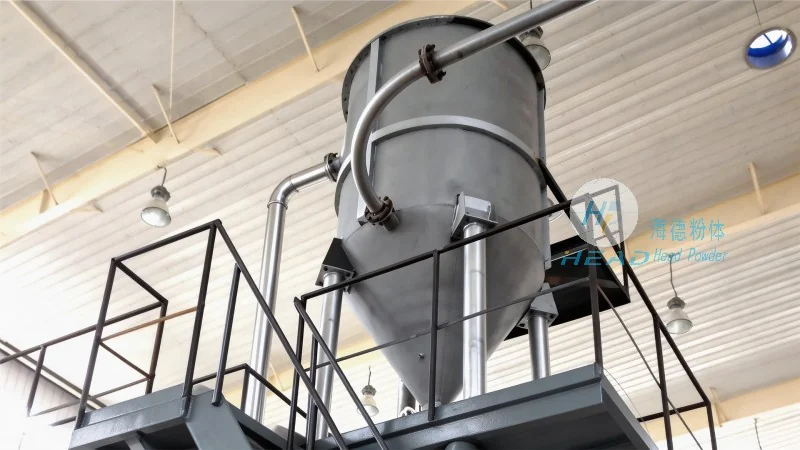
Key Components and Structure of the Equipment
The polyolefin pneumatic conveying system typically consists of several critical components that work in tandem to achieve effective material handling. These include a hopper or feeder for material storage and feeding, a conveying line (usually made of stainless steel or other corrosion-resistant materials to accommodate polyolefin properties), a compressor or air source to generate the necessary pressure, and a control system to regulate the flow and pressure. The hopper is designed with a smooth interior to prevent material buildup and ensure consistent feeding, while the conveying line is often equipped with bends and elbows that are carefully engineered to minimize pressure loss and maintain material flow. Additionally, the system may incorporate filters and cyclones to separate the conveying medium from the material, ensuring clean air release and preventing dust contamination in the environment.
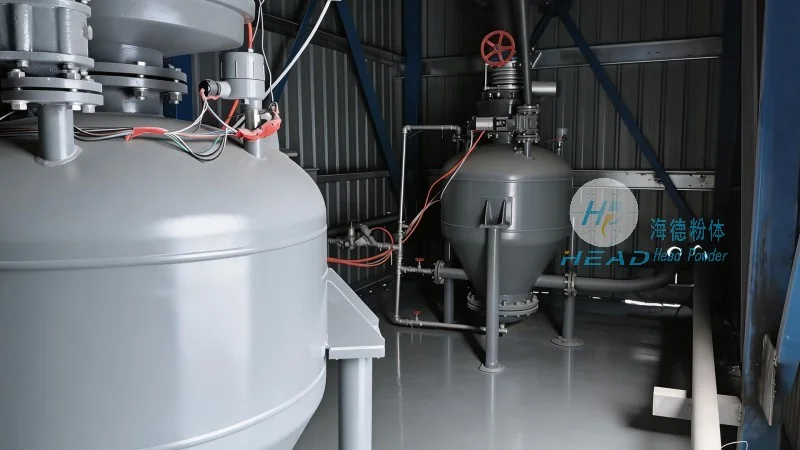
Working Principle: How the Equipment Transports Polyolefin Materials
The operation of polyolefin pneumatic conveying equipment relies on the principle of fluidization and drag. When compressed air is introduced into the conveying line, it creates a low-pressure zone that draws the polyolefin material from the hopper into the pipeline. The air flow then carries the material through the system, maintaining a consistent velocity to prevent particle segregation or blockages. The design of the equipment, including the size of the air nozzles and the angle of the conveying line, is optimized to balance the air pressure and material flow, ensuring efficient transport without excessive energy consumption. For polyolefin materials, which are often lightweight and prone to static, the system may include anti-static measures such as grounding or ionizing devices to prevent material accumulation and ensure smooth operation.
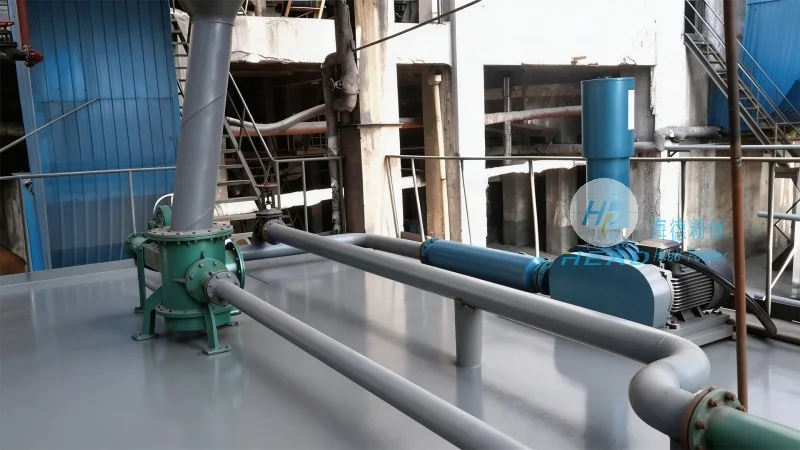
Advantages of Using Polyolefin Pneumatic Conveying Equipment
Implementing polyolefin pneumatic conveying equipment offers several advantages for industrial operations. Firstly, it provides a dust-free and hygienic method of material transport, which is crucial for applications in food, pharmaceutical, and chemical industries where contamination control is paramount. Secondly, the system is highly flexible, allowing for changes in material flow rates and pipeline configurations without significant modifications. This adaptability makes it suitable for various production scales and processes. Thirdly, the equipment is relatively compact compared to traditional mechanical conveying systems, saving space in industrial facilities. Moreover, the use of compressed air as the conveying medium allows for easy integration with existing air systems, reducing installation costs and complexity. Finally, the system’s ability to handle polyolefin materials with minimal degradation ensures product quality and consistency, which is essential for downstream processing steps.
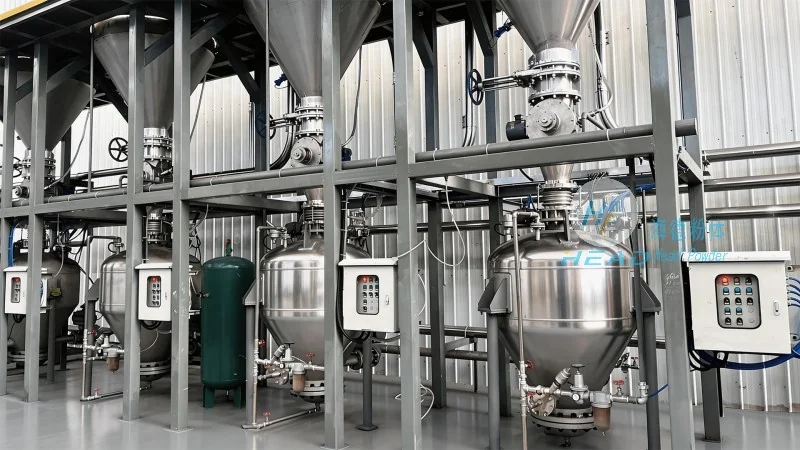
Applications in Industrial Processing
Polyolefin pneumatic conveying equipment is widely used in various industrial sectors that require the handling of polyolefin powders and granules. In the plastics industry, it is commonly employed in the production of polyethylene (PE) and polypropylene (PP) resins, where it facilitates the transport of raw materials from storage to processing units. The equipment is also utilized in the manufacturing of polymer compounds and masterbatches, where precise material blending is critical. Additionally, in the chemical industry, it plays a role in the handling of polyolefin-based additives and intermediates, ensuring safe and efficient material transfer. The versatility of the system makes it applicable to both batch and continuous production processes, catering to the diverse needs of modern industrial operations.