

Cotton Fiber Pneumatic Conveying Equipment: Structure and Principle of Powder Conveying Equipment
Understanding the structure and operational principles of cotton fiber pneumatic conveying equipment is crucial for industries that handle bulk powders, particularly in textile manufacturing and agricultural processing. This equipment, also known as a powder conveying system, utilizes air as the medium to transport dry materials like cotton fibers efficiently and safely. The core technology behind such systems involves creating a pressure differential to move the material through a pipeline network.
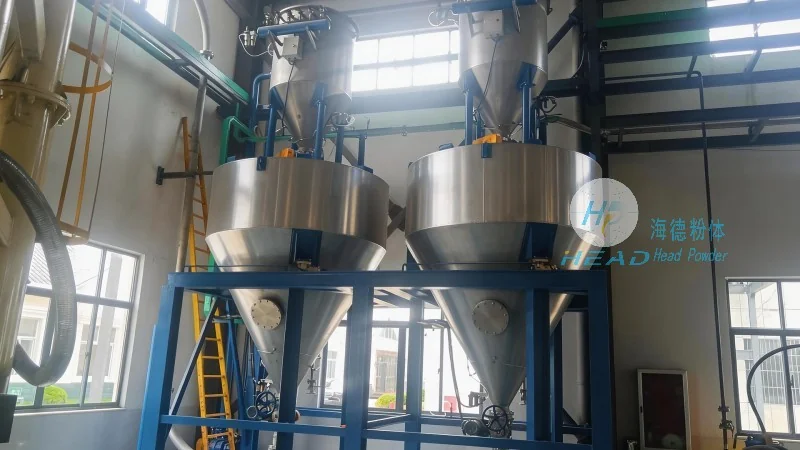
Overview of Pneumatic Conveying Systems
Pneumatic conveying equipment operates by either suction (negative pressure) or pressure (positive pressure) methods. In suction systems, a vacuum is created at the material inlet to draw the cotton fibers into the pipeline. Pressure systems, on the other hand, use compressed air to push the material forward. The choice between these methods depends on factors like material characteristics, distance to be conveyed, and system complexity. For cotton fibers, which are lightweight and can be prone to static electricity, a well-designed system must address issues like material segregation and static discharge to ensure consistent performance.
Key Components of Cotton Fiber Pneumatic Conveying Equipment
The main components of a typical cotton fiber pneumatic conveying system include the material hopper, feeder, conveying line, air compressor or vacuum pump, and control system. The material hopper stores the raw cotton fibers and feeds them into the system at a controlled rate. The feeder, often a rotary valve or screw feeder, regulates the flow of material into the conveying line. The conveying line, made of durable materials like stainless steel or PVC, transports the fibers and air mixture. The air compressor or vacuum pump provides the necessary pressure or vacuum to move the material. The control system monitors and adjusts the system parameters to maintain optimal performance.
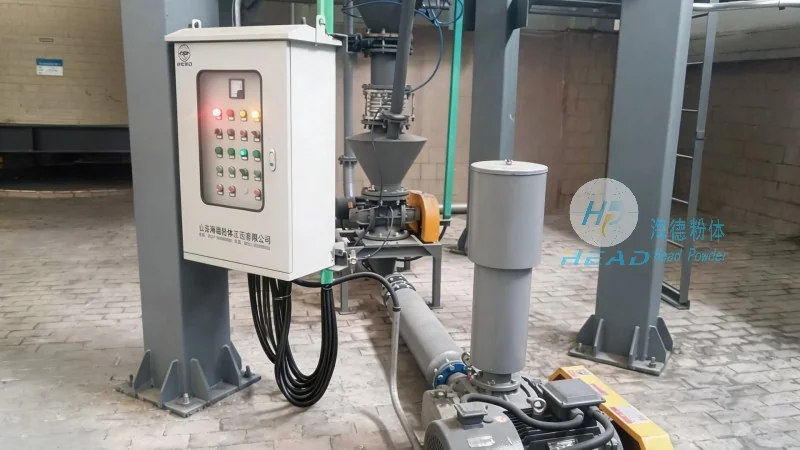
Structure and Operational Principle
The operational principle of cotton fiber pneumatic conveying equipment is based on the interaction between the material and the air stream. When the system is in operation, the air compressor generates a high-pressure air flow that mixes with the cotton fibers in the hopper. The air stream carries the fibers through the conveying line, overcoming gravitational and frictional forces. The system's design ensures that the air-to-material ratio is optimized to prevent material blockages and maintain consistent flow rates. For cotton fibers, which have a low bulk density, the system may use a higher air volume to achieve efficient transport. Additionally, the equipment incorporates features like cyclone separators and filters to separate the fibers from the air stream, ensuring that the material is delivered to the destination without contamination.
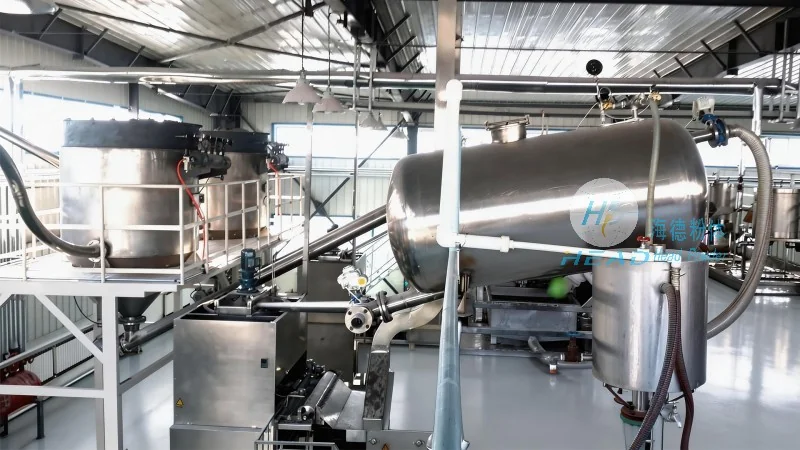
Applications in the Textile Industry
Cotton fiber pneumatic conveying equipment is widely used in the textile industry for processes such as raw material handling, blending, and processing. In textile mills, the equipment efficiently transports cotton fibers from storage silos to processing machines, reducing manual labor and improving material handling efficiency. The system's ability to handle large volumes of cotton fibers with minimal dust generation makes it ideal for maintaining a clean and safe working environment. Furthermore, the equipment's flexibility allows it to be integrated into existing production lines, enhancing overall operational efficiency.
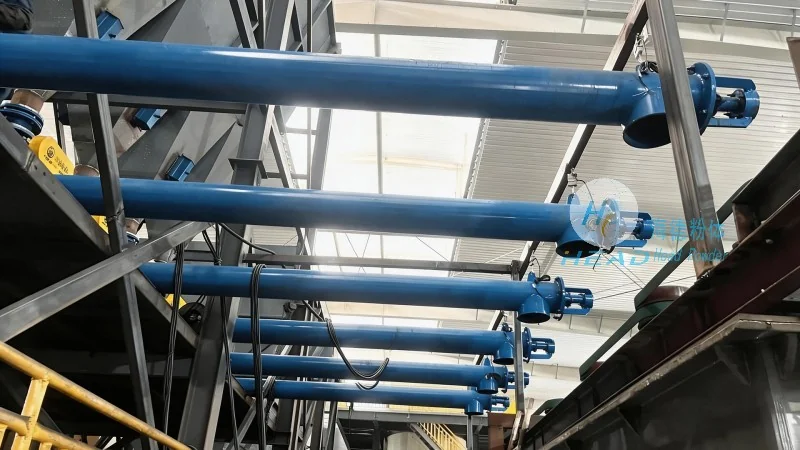
Advantages of Using Pneumatic Conveying for Cotton Fibers
Compared to traditional mechanical conveying methods, pneumatic conveying offers several advantages for handling cotton fibers. These include reduced material degradation due to less friction and impact, lower maintenance costs as there are fewer moving parts, and improved safety as the system operates in enclosed pipelines. The ability to transport materials over long distances without the need for multiple transfer points also simplifies the overall system design. Additionally, the system's ability to handle varying material conditions, such as moisture content or particle size, makes it a versatile solution for different textile processing applications.
About Shandong HeadPowder Engineering Co., Ltd.
Shandong HeadPowder Engineering Co., Ltd., a leading manufacturer of pneumatic conveying equipment, specializes in designing and manufacturing customized solutions for various bulk material handling needs. With years of experience in the industry, the company has developed advanced technologies to address the unique challenges of handling cotton fibers and other fine powders. The company's products are known for their durability, efficiency, and reliability, making them a preferred choice for textile manufacturers and agricultural processing facilities. HeadPowder's commitment to quality and customer satisfaction has earned them a strong reputation in the market, with clients across China and internationally relying on their equipment for optimal material handling solutions.