

Principle of Sand and Soil Pneumatic Conveying System
The sand and soil pneumatic conveying system represents a sophisticated method for transporting granular materials like sand, soil, and fine particles through the use of compressed air as the primary conveying medium. This technology operates on the fundamental principle of creating a pressure differential within a closed pipeline system, which enables the material to be suspended and propelled by the airflow. The system's efficiency and reliability are crucial for various industrial applications, particularly in sectors where material handling is a critical process.
Key Components and Working Principle
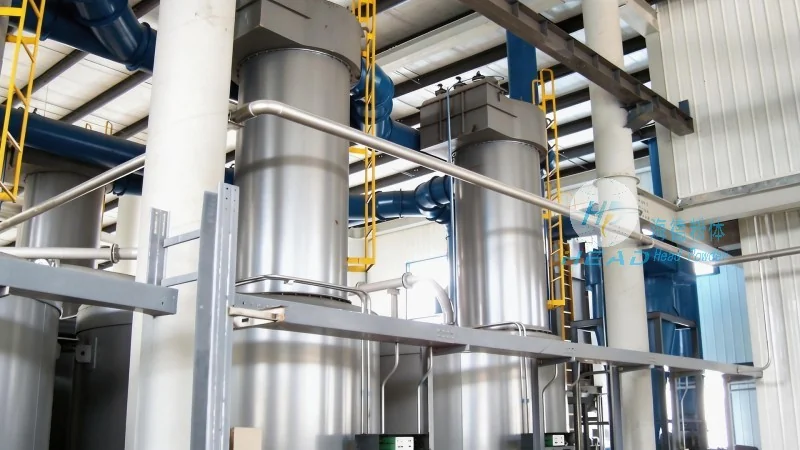
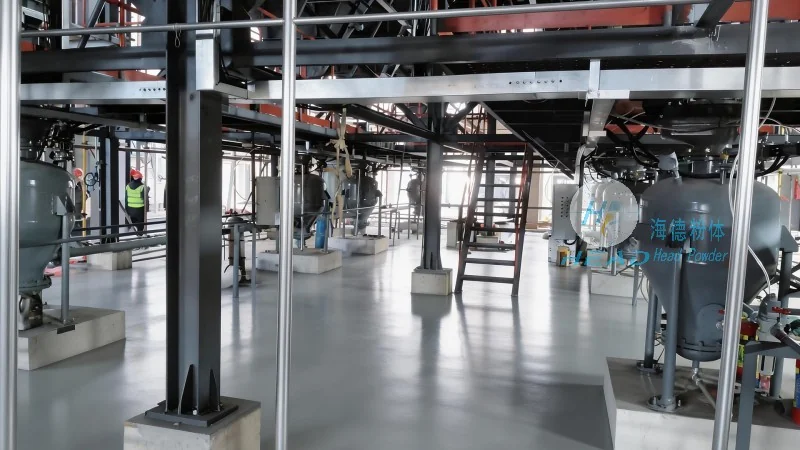
The pneumatic conveying system for sand and soil typically consists of several essential components, each playing a vital role in the overall operation. The primary components include a material feeding device, such as a hopper or screw feeder, which introduces the material into the system; a blower or air compressor that generates the necessary air pressure and flow rate; a conveying pipeline, which can be made of metal or plastic, designed to withstand the pressure and material abrasion; a material separation and cleaning unit, which separates the material from the air at the receiving end and cleans the air for recycling; and a discharge outlet, which delivers the material to the final destination. The working principle involves the material being fed into the pipeline, where it mixes with the high-pressure air from the blower. This mixture forms a dense phase or dilute phase flow, depending on the system design, and is then transported through the pipeline to the receiving point. At the receiving end, the material is separated from the air using a cyclone separator or other filtration equipment, and the air is either recycled back to the blower or discharged to the atmosphere. The system's performance is influenced by factors such as the air pressure, material properties (e.g., particle size, moisture content, density), and pipeline length and layout.
Applications in Construction and Mining Industries
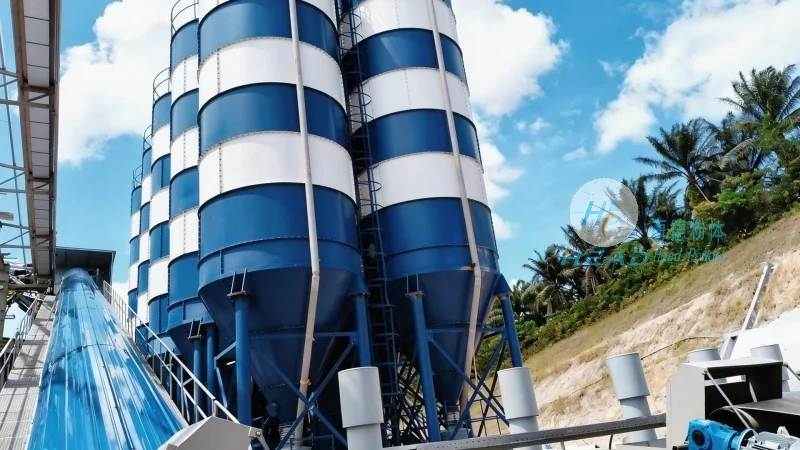
In the construction industry, sand and soil pneumatic conveying systems are widely utilized for transporting bulk materials from storage facilities to construction sites. These systems are particularly effective for handling sand, which is a key ingredient in concrete production, and soil, which is used in earthworks and landscaping projects. The ability to transport materials over long distances without the need for intermediate transfer points makes the system ideal for large-scale construction projects. For example, in a concrete mixing plant, the system can transport sand from a storage silo to the mixing area, ensuring a continuous and efficient supply of raw materials. In mining operations, the system is used to transport ore, tailings, and other mineral particles from the mine site to processing facilities or storage areas. The system's capability to handle abrasive materials and its flexibility in pipeline design make it suitable for the harsh conditions often encountered in mining environments. Additionally, the system's dust control features are beneficial in preventing dust pollution and ensuring a safe working environment.