

Principle of Wood Chip Pneumatic Conveying System
Wood chip pneumatic conveying systems represent a sophisticated method for transporting wood chips through a pipeline using air as the conveying medium. This technology is integral to modern wood processing industries, offering efficient and reliable solutions for material handling. The core principle involves the creation of a pressure differential within the pipeline, which propels the chips along with the air stream. By understanding the fundamental mechanics of this system, industries can optimize their operations, enhance productivity, and ensure the safe and efficient movement of wood chips from source to processing or storage areas.
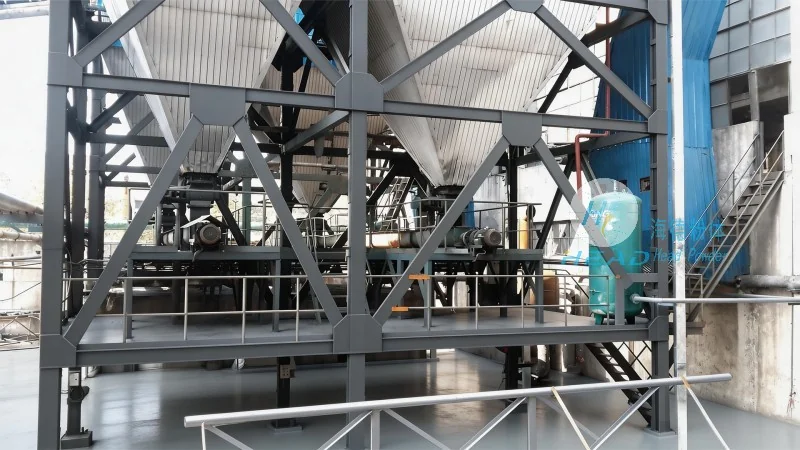
System Components and Operational Mechanics
The wood chip pneumatic conveying system consists of several key components that work in tandem to achieve effective material transport. These include the hopper or feed device, which holds the wood chips and feeds them into the system; the conveyor pipeline, which forms the main path for the chips and air; the air supply system, typically a blower or compressor that generates the necessary air pressure; and the control and monitoring equipment that regulates the flow and pressure within the system. The operational process begins when wood chips are fed into the hopper. The air supply system then creates a pressure difference, drawing the chips into the pipeline and propelling them forward. The velocity and pressure of the air are critical factors, as they determine the system's capacity and efficiency. Proper design of these components ensures that the wood chips are conveyed without excessive wear or degradation, maintaining the quality of the material throughout the process.
Advantages of Pneumatic Conveying for Wood Chips
Compared to traditional mechanical conveyors, wood chip pneumatic conveying systems offer several distinct advantages. One of the primary benefits is the ability to transport wood chips over long distances with minimal loss of material. The system can handle varying chip sizes and moisture content, making it versatile for different wood processing applications. Additionally, pneumatic conveying reduces the risk of contamination and damage to the wood chips, as the material is enclosed within the pipeline. This is particularly important for high-value wood products where quality preservation is essential. The system also minimizes the need for manual handling, enhancing workplace safety and reducing labor costs. Furthermore, the flexibility of pneumatic conveying allows for easy integration with other processing equipment, such as dryers or pelletizers, streamlining the overall production line.
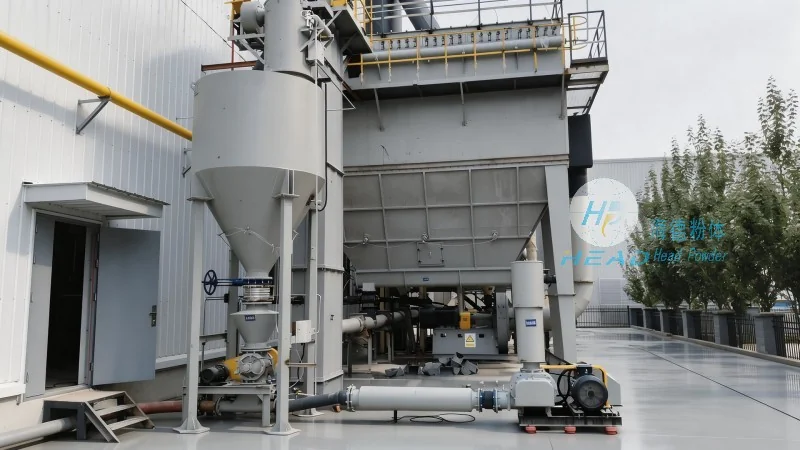
HeadPowder Engineering: Expertise in Pneumatic Conveying Solutions
Shandong HeadPowder Engineering Co., Ltd., commonly known as HeadPowder, is a leading provider of specialized engineering solutions for wood chip pneumatic conveying systems. With a strong presence in China, particularly in Shandong, the company has established itself as a trusted partner for industries seeking reliable and efficient material handling solutions. HeadPowder's expertise lies in the design, manufacturing, and installation of custom pneumatic conveying systems tailored to the specific needs of wood processing facilities. The company's team of experienced engineers and technicians utilizes advanced technology and rigorous testing to ensure that each system meets the highest standards of performance and durability. By leveraging their deep understanding of wood chip properties and conveying mechanics, HeadPowder delivers systems that optimize material flow, reduce energy consumption, and enhance overall operational efficiency. The company's commitment to quality and customer satisfaction has earned it a reputation for excellence in the industry, making it a preferred choice for businesses looking to upgrade or expand their material handling capabilities.
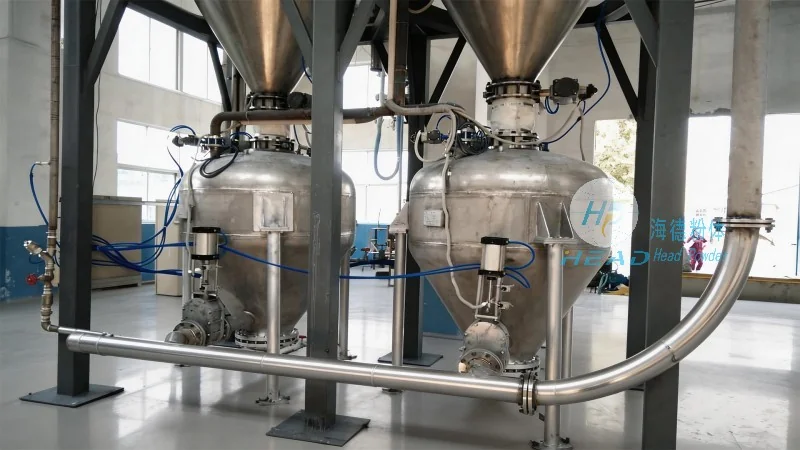
Customization and Application Flexibility
HeadPowder recognizes that each wood processing facility has unique requirements, and therefore, offers comprehensive customization options for its pneumatic conveying systems. The company works closely with clients to understand their specific operational needs, including the type and size of wood chips, the distance to be covered, and the desired throughput. Based on this information, HeadPowder designs systems that are optimized for maximum efficiency and minimal maintenance. The company's solutions can be adapted for various applications, such as transporting wood chips from a storage yard to a processing plant, or from a dryer to a pellet mill. Additionally, HeadPowder provides support throughout the entire project lifecycle, from initial design and engineering to installation and commissioning. This comprehensive approach ensures that clients receive a system that not only meets their current needs but also accommodates future growth and changes in production. The flexibility of HeadPowder's solutions allows businesses to adapt to evolving market demands and maintain a competitive edge in the wood processing industry.
Quality Assurance and Reliability
At HeadPowder, quality is a top priority, and the company adheres to strict quality control measures at every stage of the product development and manufacturing process. From the selection of high-quality materials to the rigorous testing of components, HeadPowder ensures that each pneumatic conveying system is built to withstand the demands of continuous operation in wood processing environments. The company uses advanced manufacturing techniques and state-of-the-art equipment to produce components that are durable, efficient, and long-lasting. Regular maintenance and inspection programs are also recommended to ensure the optimal performance of the system over its service life. HeadPowder's commitment to reliability extends to its after-sales support, with a team of skilled technicians available to provide timely assistance and maintenance services. This focus on quality and reliability helps clients minimize downtime and maximize the return on their investment in the pneumatic conveying system.