

Principle of Light Calcium Powder Pneumatic Conveying System
Light calcium powder, also known as calcium carbonate powder, is widely used in various industrial applications such as papermaking, plastics, and coatings. The efficient and reliable transportation of this fine powder is crucial for maintaining production efficiency and product quality. Pneumatic conveying systems have emerged as a preferred solution for handling light calcium powder due to their ability to transport materials without mechanical contact, reducing wear and contamination risks. This article delves into the fundamental principles of a light calcium powder pneumatic conveying system, exploring its components, operation mechanisms, and key advantages.
Core Components of the Pneumatic Conveying System
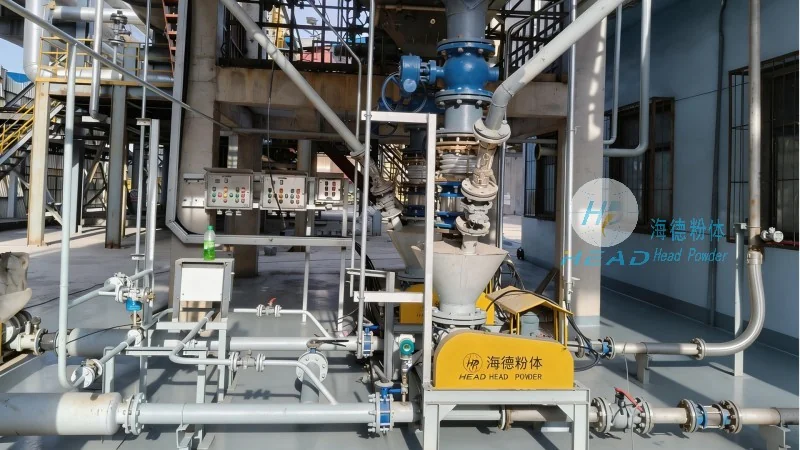
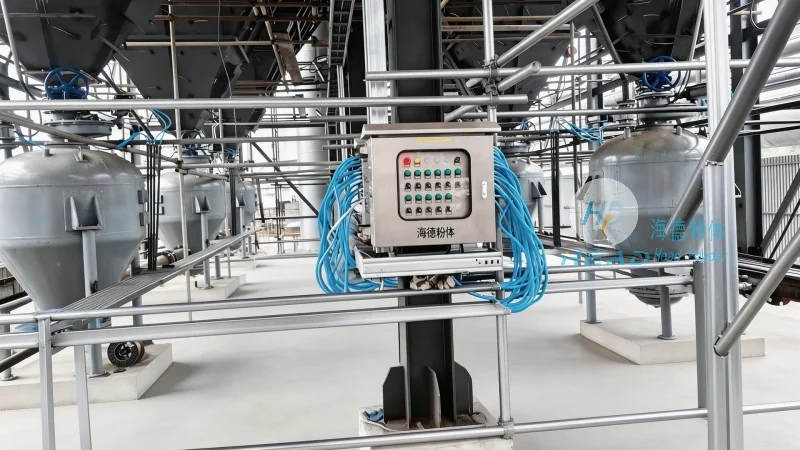
The light calcium powder pneumatic conveying system consists of several critical components that work in tandem to achieve effective material transport. The primary components include a material feeder, a conveying pipeline, a blower or air compressor, a separation and collection unit, and a control system. The material feeder is responsible for feeding the light calcium powder into the system at a controlled rate, ensuring a consistent flow. The conveying pipeline, typically made of stainless steel or other corrosion-resistant materials, transports the powder and air mixture. The blower or air compressor provides the necessary air pressure and volume to move the powder particles through the pipeline. The separation and collection unit, such as a cyclone separator or bag filter, separates the powder from the air stream and collects it in a storage bin or processing equipment. The control system monitors and regulates the operation of the system, adjusting parameters like air pressure and feed rate to maintain optimal performance.
Operation Principle of the Pneumatic Conveying System
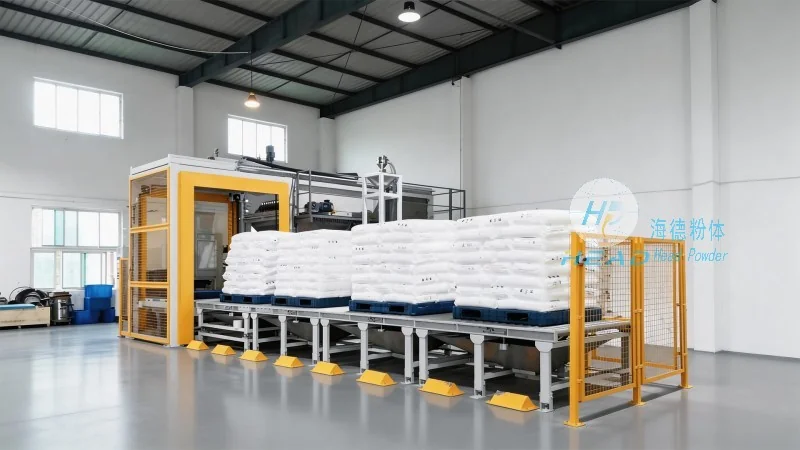
The operation of a light calcium powder pneumatic conveying system is based on the principle of air flow and particle suspension. When the blower generates a high-velocity air stream, it creates a pressure difference that draws the light calcium powder from the feeder into the pipeline. The air stream suspends the powder particles, allowing them to be transported along the pipeline. The velocity of the air is crucial; it must be sufficient to keep the powder particles in suspension but not so high as to cause excessive wear or energy consumption. The system operates in either positive or negative pressure modes. In positive pressure mode, the blower pushes air and powder through the pipeline, while in negative pressure mode, the system draws air and powder from the source. The choice between these modes depends on factors like the distance to be covered and the material properties. The separation unit at the end of the pipeline uses centrifugal force to separate the powder from the air, collecting the powder in a hopper or storage container. The air, now free of powder, is either vented to the atmosphere or recycled back into the system to improve energy efficiency.
Advantages of the Light Calcium Powder Pneumatic Conveying System
Compared to traditional mechanical conveying methods, the light calcium powder pneumatic conveying system offers several advantages. First, it eliminates the need for mechanical components like belts or buckets, reducing maintenance costs and minimizing the risk of material contamination. The lack of mechanical contact also prevents wear and tear on the powder particles, preserving their quality and reducing the need for reprocessing. Second, the system is highly flexible and can be easily adapted to different production layouts and material handling requirements. It can transport light calcium powder over long distances and through complex piping networks without significant loss of efficiency. Third, the system provides better control over the material flow, allowing for precise regulation of feed rates and pressure, which is essential for maintaining consistent product quality. Additionally, the pneumatic conveying system is more energy-efficient than some mechanical alternatives, especially for long-distance transport, as it can use the air stream to move multiple batches of material simultaneously.
Applications and Industries
The light calcium powder pneumatic conveying system is widely used in industries that handle fine powders, including the paper industry, where it is used to transport calcium carbonate for paper coating and filler applications. In the plastics industry, it is used to add calcium carbonate to polymer blends to improve their mechanical properties and reduce costs. The coatings industry also utilizes this system to transport calcium carbonate for use in paint and varnish formulations. Other applications include the food industry, where it is used to handle calcium carbonate as a food additive, and the pharmaceutical industry, where it is used for processing and packaging of calcium carbonate-based products. The system's ability to handle fine powders without contamination makes it suitable for applications where product purity is critical.
About Shandong HeadPowder Engineering Co., Ltd.
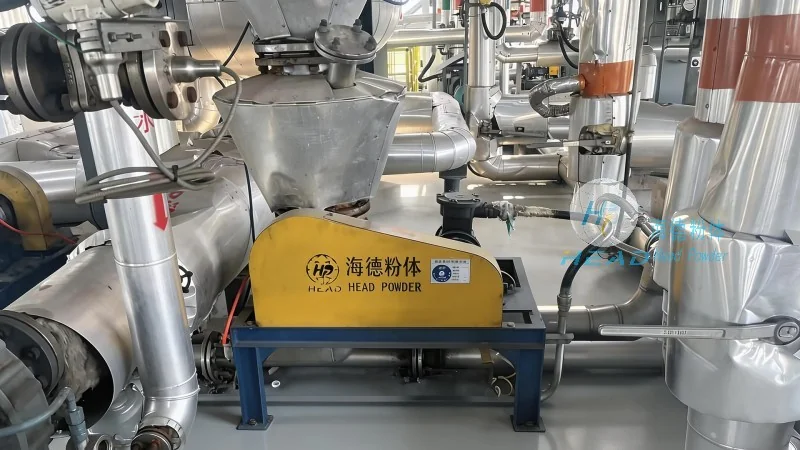
Shandong HeadPowder Engineering Co., Ltd., operating under the brand name headpowder, is a leading manufacturer and supplier of pneumatic conveying systems and related equipment. With a focus on innovation and quality, the company specializes in designing and manufacturing customized solutions for the transportation of light calcium powder and other fine powders. The company's products are engineered to meet the specific requirements of various industries, ensuring high efficiency, reliability, and durability. Headpowder's team of experienced engineers and technicians work closely with clients to understand their material handling challenges and develop tailored solutions that optimize their production processes. The company's commitment to customer satisfaction and technical excellence has made it a trusted partner for businesses in the light calcium powder and related industries. Headpowder's facilities are located in Shandong, China, where the company conducts research, development, and manufacturing to deliver cutting-edge pneumatic conveying systems to its global clientele.