

Principle of Phenolic Powder Pneumatic Conveying System
Phenolic powder, also known as Bakelite powder, is a type of thermosetting plastic powder widely used in various industrial applications. The pneumatic conveying system for phenolic powder is a critical technology that enables the efficient and safe transportation of this material from one location to another within industrial facilities. This article provides a detailed explanation of the working principles, key components, and operational mechanisms of a phenolic powder pneumatic conveying system, highlighting the importance of such systems in modern manufacturing processes.
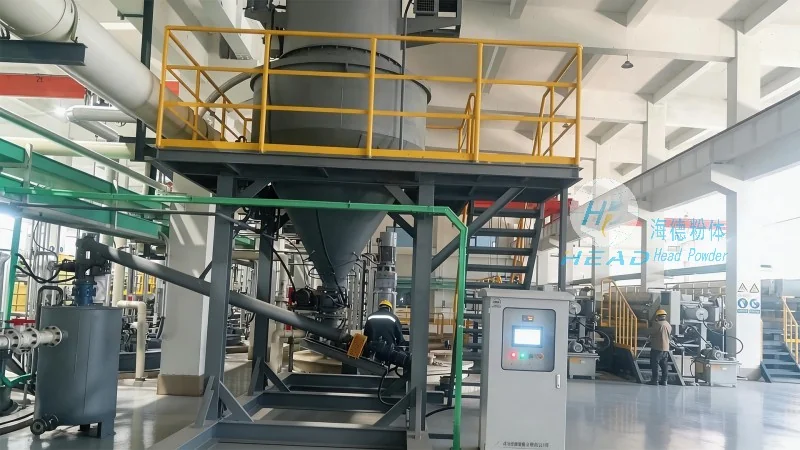
Company Introduction
Shandong HeadPowder Engineering Co., Ltd., operating under the brand name headpowder, is a leading manufacturer and supplier of advanced material handling solutions. With a strong focus on innovation and quality, the company specializes in designing and producing pneumatic conveying systems tailored to the unique requirements of various industries. HeadPowder's expertise lies in creating efficient, reliable, and cost-effective solutions for the transportation of powders, including phenolic powder, ensuring optimal performance and safety in industrial operations.
Basic Principle of Pneumatic Conveying
The core principle of a pneumatic conveying system is the use of air or gas to transport solid particles through a pipeline. In the case of phenolic powder, the system utilizes a combination of pressure or vacuum to move the powder from the source to the destination. The process typically involves creating a flow of air that entrains the powder particles, forming a slurry-like mixture known as a "conveying stream." This stream is then directed through the pipeline to the desired location, where the powder is separated from the air and collected.
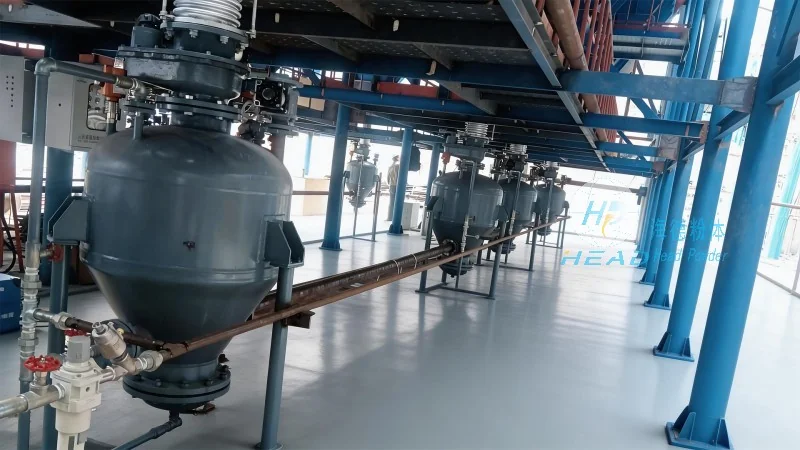
Key Components of the System
A phenolic powder pneumatic conveying system consists of several essential components that work in tandem to ensure efficient operation. These components include the material feed hopper, which holds the phenolic powder and controls the flow rate; the air compressor or vacuum pump, which generates the necessary pressure or vacuum to move the powder; the conveying line, which is typically made of durable materials such as stainless steel or plastic to withstand the abrasive nature of the powder; the separation equipment, such as cyclones or filters, which separate the powder from the air at the destination; and the control system, which monitors and regulates the operation of the entire system.
Types of Pneumatic Conveying Systems
There are two main types of pneumatic conveying systems used for phenolic powder: pressure systems and vacuum systems. Pressure systems operate by using an air compressor to generate positive pressure that pushes the powder through the pipeline. These systems are suitable for long-distance and high-volume conveying applications. Vacuum systems, on the other hand, use a vacuum pump to create a negative pressure that draws the powder into the pipeline. Vacuum systems are often preferred for short-distance and low-volume conveying tasks, as well as for applications where the powder needs to be transported from multiple sources to a single destination.
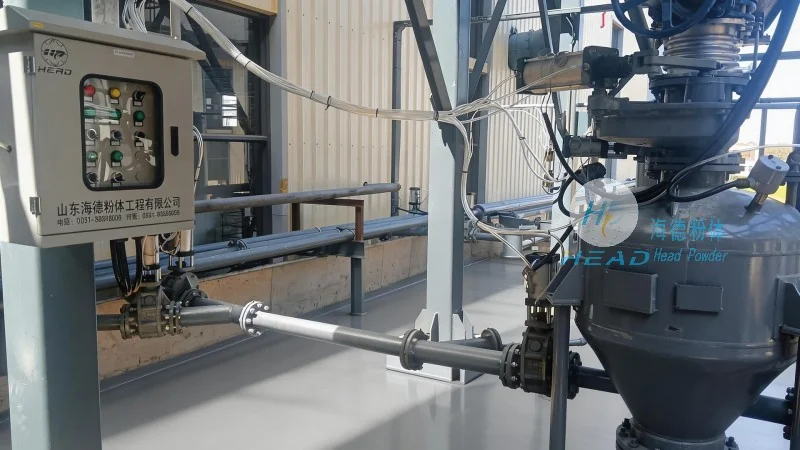
Advantages of Phenolic Powder Pneumatic Conveying
Implementing a pneumatic conveying system for phenolic powder offers numerous advantages over traditional methods such as belt conveyors or bucket elevators. One of the primary benefits is the ability to transport the powder in a closed system, which helps to prevent dust contamination and improve workplace safety. Additionally, pneumatic conveying systems are more flexible and can be easily reconfigured to accommodate changes in production requirements. They also offer higher efficiency and lower energy consumption compared to other methods, leading to cost savings over time. Furthermore, the system reduces the risk of product degradation due to exposure to air and moisture, ensuring the quality of the phenolic powder is maintained throughout the conveying process.
Operational Considerations and Maintenance
Proper operation and maintenance of a phenolic powder pneumatic conveying system are crucial to ensure its longevity and performance. Regular cleaning of the conveying line and separation equipment is necessary to prevent clogging and ensure efficient powder separation. The air compressor or vacuum pump should be maintained according to the manufacturer's specifications to avoid breakdowns and ensure consistent performance. Additionally, monitoring the system's pressure and flow rates can help identify potential issues before they become major problems. HeadPowder recommends conducting routine inspections and maintenance to maximize the system's lifespan and minimize downtime.
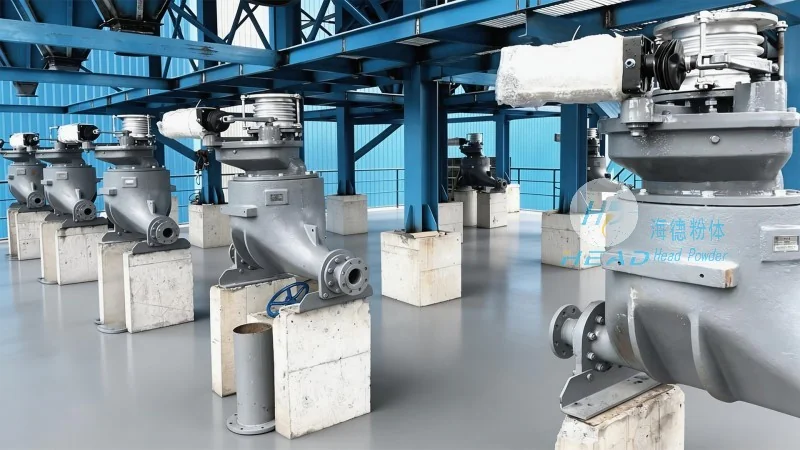
Applications in Industrial Settings
Phenolic powder pneumatic conveying systems are widely used in various industrial applications, including the manufacturing of electrical components, automotive parts, and construction materials. In the electrical industry, phenolic powder is used to produce insulating parts, and the conveying system ensures that the powder is transported safely and efficiently to the molding machines. In the automotive industry, phenolic powder is used to produce components such as gears and bearings, and the system helps to maintain consistent quality and reduce production costs. In the construction industry, phenolic powder is used to produce adhesives and coatings, and the conveying system ensures that the powder is delivered to the production lines without any contamination.
Conclusion
In conclusion, the pneumatic conveying system for phenolic powder is a vital technology that enables the efficient and safe transportation of this material in industrial settings. By understanding the working principles and key components of the system, manufacturers can optimize their operations and improve overall productivity. With the expertise of companies like Shandong HeadPowder Engineering Co., Ltd., businesses can access high-quality pneumatic conveying systems that are tailored to their specific needs, ensuring reliable and cost-effective material handling solutions.