

Principle of Silicate Pneumatic Conveying Systems
Silicate materials, including various types of powders and granules derived from silicate minerals, are widely used in industrial applications such as ceramics, glass manufacturing, and construction materials. The efficient and reliable transportation of these materials is crucial for maintaining production efficiency and product quality. Pneumatic conveying systems offer a solution to this challenge by utilizing air or gas to transport solid materials through a pipeline network. This article provides an in-depth exploration of the fundamental principles behind silicate pneumatic conveying systems, highlighting the key components, operational mechanisms, and practical considerations for effective material handling, as presented by Shandong HeadPowder Engineering Co., Ltd., a leading provider of bulk material handling solutions in China.
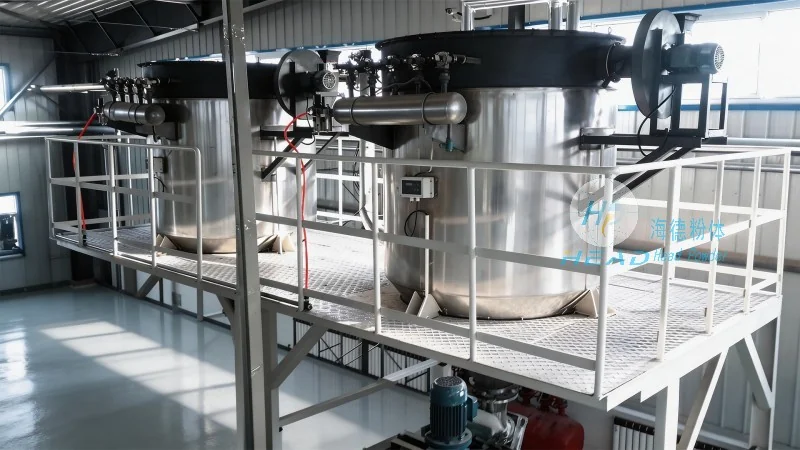
Key Components of a Silicate Pneumatic Conveying System
A silicate pneumatic conveying system typically consists of several critical components that work in concert to achieve material transport. The primary components include a material feed hopper, a conveyor line (often equipped with a venturi or other air acceleration devices), a receiver or discharge hopper, and a dust collection system. The feed hopper is responsible for storing and metering the silicate material, ensuring a consistent flow into the conveying line. The conveyor line, which may feature various configurations such as dilute-phase or dense-phase systems, utilizes compressed air to move the material through the pipeline. The venturi or air acceleration device plays a vital role in increasing the air velocity, creating the necessary pressure differential to propel the material. The receiver or discharge hopper collects the material at the destination point, while the dust collection system ensures environmental compliance by capturing any airborne particles.
Operational Principles and Mechanisms
The core operational principle of a silicate pneumatic conveying system is the creation of a flow of air or gas that carries the solid particles through the pipeline. This process can be categorized into two main types: dilute-phase and dense-phase conveying. In dilute-phase systems, the material is suspended in the air stream, with particle concentrations typically ranging from 1 to 10 grams per cubic meter. This method is suitable for materials that are non-abrasive and have a relatively low density. The air velocity in dilute-phase systems is high, often exceeding 20 meters per second, to maintain particle suspension. In contrast, dense-phase systems transport the material in a more compact form, with particle concentrations ranging from 50 to 200 grams per cubic meter. This approach is ideal for handling abrasive or sensitive materials, as it reduces wear on the system components and minimizes product degradation. The dense-phase conveying process involves a lower air velocity and a higher air-to-material ratio, creating a plug flow of material through the pipeline.
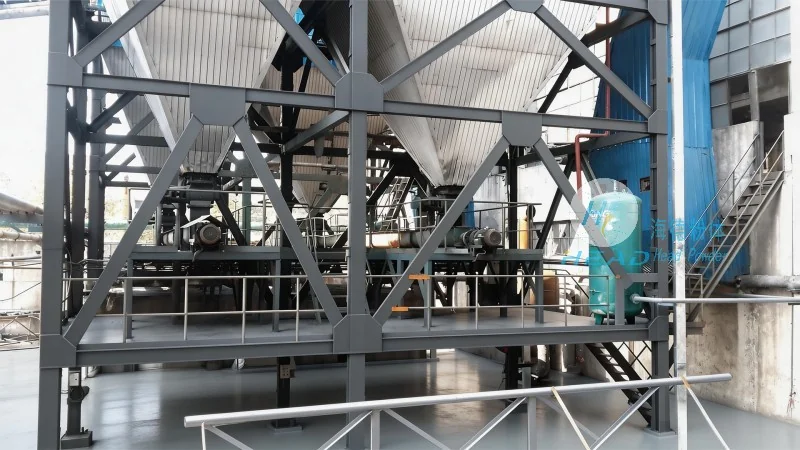
Advantages of Silicate Pneumatic Conveying Systems
Implementing a silicate pneumatic conveying system offers numerous advantages over traditional material handling methods. One of the most significant benefits is the ability to transport materials over long distances without the need for intermediate storage or transfer points. This reduces the risk of material contamination and loss, ensuring product integrity throughout the process. Additionally, pneumatic conveying systems are highly flexible, allowing for easy integration into existing production lines and the ability to change conveying routes as production needs evolve. The systems also provide a closed-loop operation, which helps to minimize dust emissions and improve workplace safety. From an operational perspective, pneumatic conveying systems can achieve high throughput rates, often exceeding 10 tons per hour for certain applications, while maintaining low energy consumption compared to other bulk material handling solutions. The compact design of these systems also allows for space-saving installations, making them suitable for facilities with limited floor space.
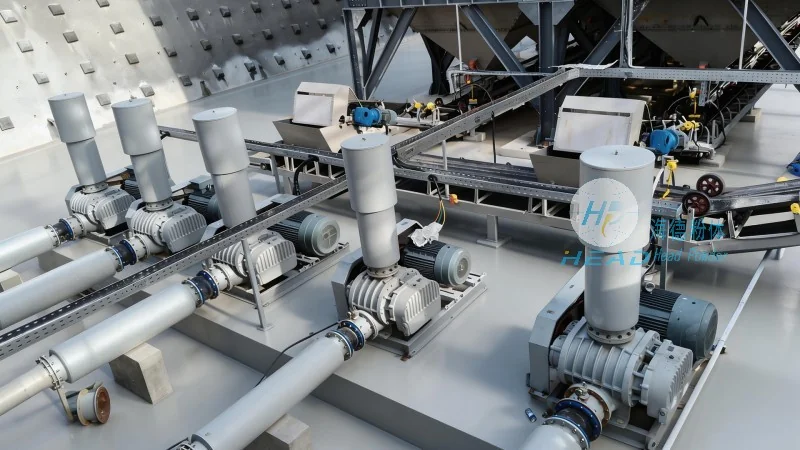
Application Examples in Silicate Industry
Silicate pneumatic conveying systems are widely applied in various industrial sectors that rely on silicate materials. In the ceramics industry, these systems are used to transport raw materials such as kaolin, feldspar, and quartz from storage silos to production lines. The precise control of material flow ensures consistent raw material composition, which is critical for achieving uniform product quality in ceramic products. In the glass manufacturing industry, pneumatic conveying is employed to transport sand, soda ash, and limestone to the glass melting furnaces. The ability to handle abrasive materials like sand without causing excessive wear on the system components is a key advantage. In the construction materials sector, silicate pneumatic conveying systems are utilized to transport cement, fly ash, and other additives to concrete mixing plants. The efficient and dust-free transport of these materials contributes to improved concrete quality and reduced environmental impact. These applications demonstrate the versatility and effectiveness of silicate pneumatic conveying systems in meeting the specific demands of different industrial processes.
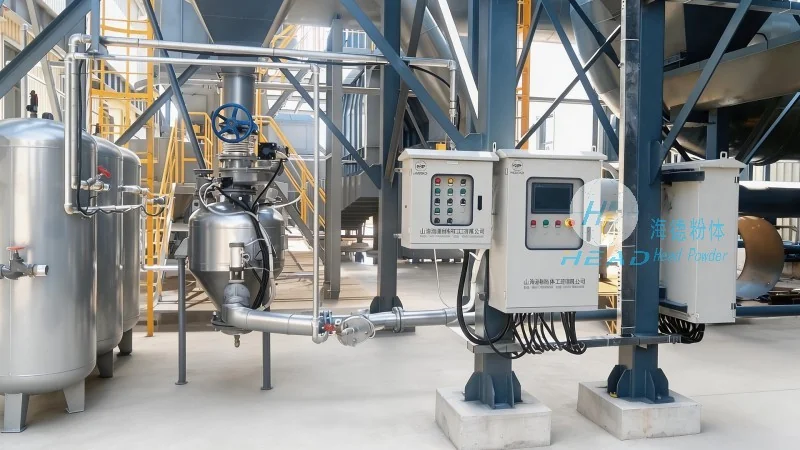
Considerations for System Design and Installation
Designing and installing a silicate pneumatic conveying system requires careful consideration of several factors to ensure optimal performance and longevity. The first consideration is the material characteristics of the silicate being transported. Properties such as particle size distribution, density, abrasiveness, and moisture content significantly influence the choice of system type and component materials. For example, highly abrasive materials like quartz sand may require the use of wear-resistant materials for the conveyor line and components to minimize wear and extend the system's lifespan. The system's capacity and required conveying distance are also critical factors. The selection of the appropriate air pressure and flow rate is essential to achieve the desired material throughput while maintaining system efficiency. Additionally, the layout of the conveying line, including the number and placement of bends, vertical lifts, and horizontal runs, must be optimized to minimize pressure losses and ensure smooth material flow. Proper sealing of all system components is crucial to prevent air leaks, which can reduce conveying efficiency and increase energy consumption. Regular maintenance and monitoring of the system are also important to detect and address any issues promptly, ensuring consistent performance over time.
Conclusion
Silicate pneumatic conveying systems represent a sophisticated and efficient solution for the transportation of silicate materials in industrial applications. By leveraging the principles of air or gas flow to move solid particles through a pipeline network, these systems offer numerous advantages, including high throughput, flexibility, and reduced contamination risks. The key to successful implementation lies in understanding the material characteristics, selecting the appropriate system configuration, and ensuring proper design and maintenance. As industries continue to demand more efficient and reliable material handling solutions, the role of silicate pneumatic conveying systems will likely expand, contributing to improved productivity and product quality in sectors such as ceramics, glass, and construction materials. For businesses seeking to optimize their material handling processes, investing in a well-designed silicate pneumatic conveying system can provide significant long-term benefits.