

Principle of Pepper Powder Pneumatic Conveying System
Pepper powder, a critical ingredient in diverse culinary preparations, demands efficient and sanitary handling during processing and transportation. The pneumatic conveying system provides a reliable method for moving pepper powder from storage to processing lines or packaging areas. This article examines the fundamental principles underpinning such systems, detailing their operational mechanisms, key components, and the advantages they offer within the food processing sector.
Introduction to Pepper Powder Pneumatic Conveying Systems
Pneumatic conveying systems employ air or gas to transport bulk materials like pepper powder through a network of pipes. Unlike traditional mechanical conveyors, these systems eliminate moving parts in direct contact with the product, reducing contamination risks and maintenance needs. The system is particularly suited for handling fine powders prone to dusting or caking, making it ideal for pepper powder, which is commonly used in spice blends and seasoning products.
Company Profile: Shandong HeadPowder Engineering Co., Ltd.
HeadPowder, the manufacturer behind advanced pneumatic conveying solutions, is a leading provider in powder handling technology. Headquartered in Shandong, China, the company specializes in engineering customized systems tailored to the unique requirements of food processing industries. HeadPowder’s expertise focuses on ensuring pepper powder is handled with the highest standards of hygiene and efficiency, adhering to international food safety regulations.
Working Principle of Pneumatic Conveying Systems
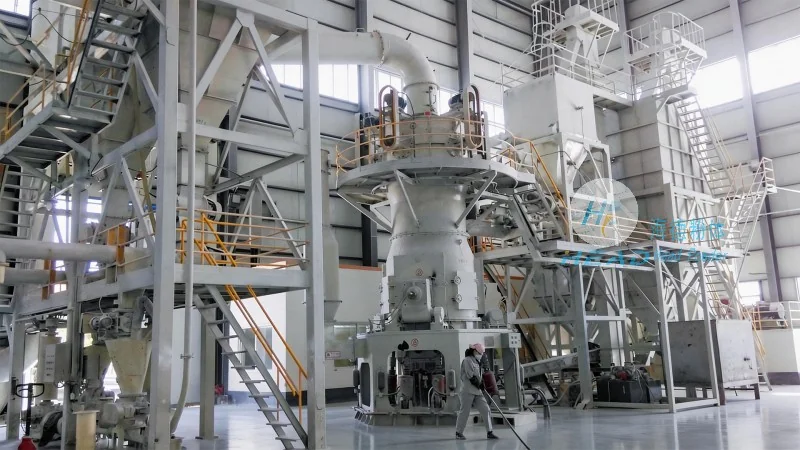
The core principle of pneumatic conveying involves creating a pressure differential between the inlet and outlet of the conveying line. In a typical positive pressure system, a fan or blower generates high-pressure air that pushes the pepper powder through the pipeline. The powder is suspended in the air stream and transported to the destination. In contrast, negative pressure systems draw air and powder from the source and exhaust them via a vacuum pump. Both approaches effectively move pepper powder without manual handling, streamlining production processes.
Key Components and Their Functions
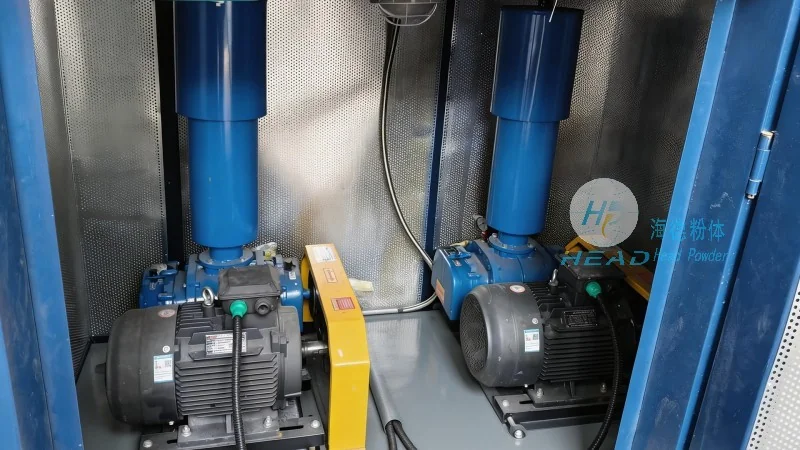
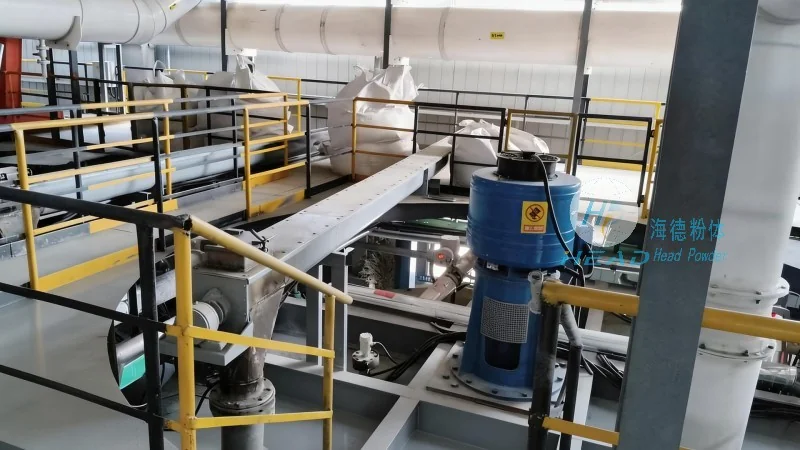
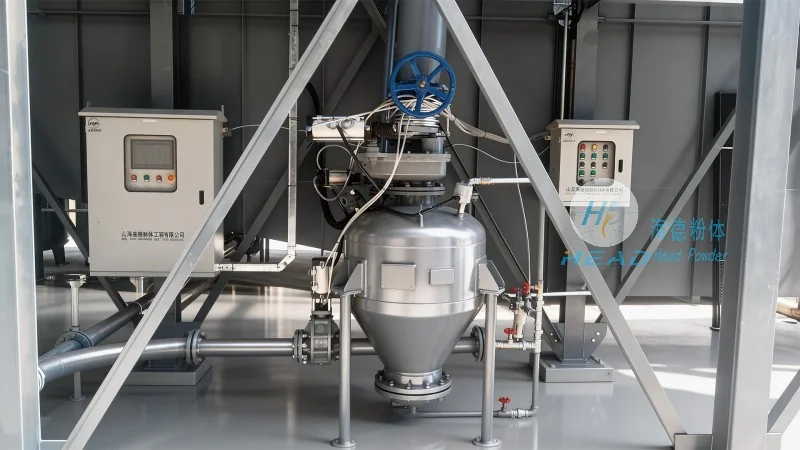
Several critical components collaborate to ensure smooth operation of a pneumatic conveying system for pepper powder. The primary components include the air supply unit (fan or blower), conveying pipes, a hopper or feeder to introduce the powder, a separation unit to remove air from the product, and a discharge device to deliver the powder to the final destination. The air supply unit provides the necessary pressure to move the powder, while the hopper ensures a consistent feed rate. The separation unit, often a cyclone or filter, separates air from pepper powder, preventing dust contamination and maintaining product dryness. The discharge device, such as a rotary valve or metering pump, controls the flow of pepper powder to the processing line or packaging area.
Advantages of Using Pneumatic Conveying for Pepper Powder
Implementing a pneumatic conveying system for pepper powder offers numerous benefits over traditional methods. Firstly, it enhances operational efficiency by reducing downtime and labor costs associated with manual handling. The system can transport large quantities of pepper powder quickly and continuously, supporting high-volume production lines. Secondly, it preserves product quality by minimizing exposure to contaminants and preventing caking or agglomeration. The enclosed system also helps control dust emissions, ensuring compliance with environmental regulations. Additionally, the hygienic design of pneumatic conveying systems makes them suitable for food-grade applications, where cleanliness is paramount. This leads to improved product consistency and reduced waste, ultimately boosting profitability for food processing companies.
Application Scenarios in Food Processing
Pneumatic conveying systems are widely utilized in various stages of pepper powder processing. In the initial stage, pepper powder is often stored in bulk silos and conveyed to grinding or blending units. The system efficiently transports the powder from storage to the processing line, ensuring a steady supply for production. During blending, the system can mix different pepper powders or other spices to create custom seasoning blends. After blending, the powder is conveyed to the packaging department, where it is filled into containers or sachets. The system’s ability to handle fine powders without clogging or loss makes it ideal for these applications. Furthermore, in quality control, the system can transport samples of pepper powder for testing, ensuring the product meets required specifications before packaging.
Conclusion
The pneumatic conveying system represents a sophisticated and efficient solution for handling pepper powder in the food processing industry. By leveraging air movement and pressure differential principles, these systems ensure safe, hygienic, and efficient transportation of pepper powder from storage to final use. Companies like Shandong HeadPowder Engineering Co., Ltd. play a crucial role in designing and implementing such systems, tailored to meet the specific needs of food manufacturers. The adoption of pneumatic conveying not only improves operational efficiency but also enhances product quality and compliance with industry standards, making it a preferred choice for modern food processing facilities.