

Principle of Cellulose Pneumatic Conveying System
Cellulose pneumatic conveying systems represent a sophisticated method for transporting bulk materials, particularly cellulose-based powders, through the use of air as the conveying medium. This technology has become increasingly vital in industries such as paper manufacturing, chemical processing, and agricultural processing, where efficient and reliable material handling is critical. The system operates by creating a pressure differential that propels the material through a pipeline, offering advantages like reduced contamination, improved safety, and enhanced process control.
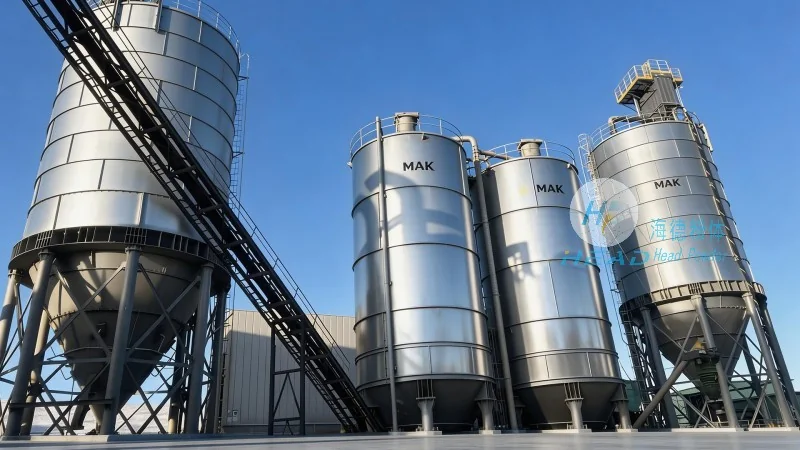
Introduction to HeadPowder Engineering
HeadPowder, or Shandong HeadPowder Engineering Co., Ltd., is a leading provider of advanced material handling solutions, headquartered in Shandong, China. With a strong commitment to innovation and customer satisfaction, the company specializes in designing, manufacturing, and implementing pneumatic conveying systems tailored to the unique needs of various industries. Our expertise spans a wide range of applications, from low to high-pressure systems, ensuring optimal performance and durability for long-term operation.
The Fundamental Principles of Pneumatic Conveying
The core principle of pneumatic conveying involves the use of compressed air to transport solid materials. In a typical system, the material is fed into a hopper or feeder, where it is then introduced into a pipeline. The air, often under pressure, moves the material through the system, either in a dilute-phase or dense-phase mode, depending on the material characteristics and process requirements. Dilute-phase systems use higher air velocities to keep particles suspended, while dense-phase systems employ lower velocities to minimize particle degradation and ensure gentle handling.
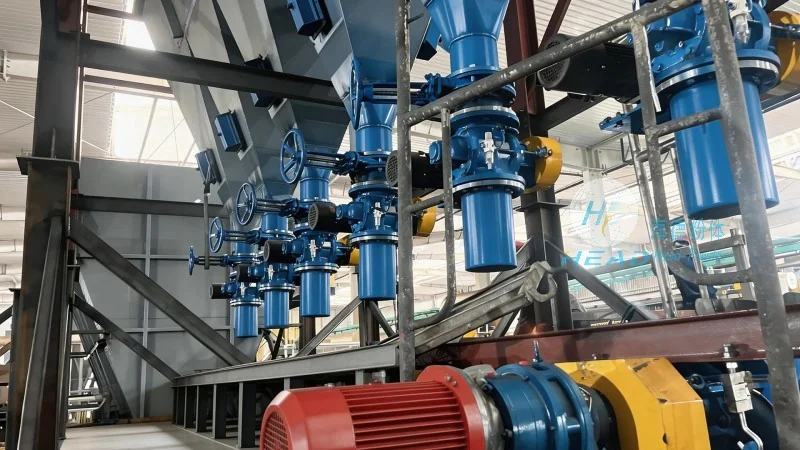
Key Components and Their Functions
A cellulose pneumatic conveying system comprises several essential components, each playing a crucial role in the overall operation. The primary components include a feeder or hopper for material storage and feeding, a blower or compressor to generate the necessary air pressure, a pipeline network for material transport, and a receiver or discharge unit for material collection. Additionally, the system may incorporate accessories such as filters, cyclones, and control valves to manage air flow, prevent dust emissions, and regulate material flow rates. Each component is carefully selected and engineered to ensure compatibility with the specific properties of cellulose, such as its fine particle size and potential for static electricity.
Advantages of Cellulose Pneumatic Conveying
Compared to traditional mechanical conveying methods, pneumatic systems offer several distinct advantages for cellulose handling. Firstly, they provide a closed system that minimizes dust emissions and contamination, which is particularly important for food-grade or pharmaceutical applications. Secondly, the system allows for gentle material handling, reducing the risk of particle breakage or degradation, which can affect the quality of the final product. Thirdly, pneumatic conveying systems are highly flexible, enabling easy integration with existing production lines and the ability to transport materials over long distances without the need for intermediate storage or transfer points. Furthermore, they offer improved process control, allowing operators to adjust air pressure and flow rates in real-time to maintain optimal material throughput and system efficiency.
Application Scenarios in Industry
The versatility of cellulose pneumatic conveying systems makes them suitable for a wide range of industrial applications. In the paper industry, these systems are commonly used to transport cellulose pulp, raw materials, and finished products between processing units, such as pulping, bleaching, and drying. In chemical processing, they facilitate the handling of cellulose derivatives, such as cellulose acetate or cellulose nitrate, ensuring safe and efficient transport in manufacturing facilities. Agricultural processing also benefits from these systems, where they are employed to convey cellulose-rich materials like wood chips or agricultural residues for further processing or energy production. The adaptability of the system allows it to be customized for specific material types and process conditions, making it a reliable solution for diverse industrial needs.
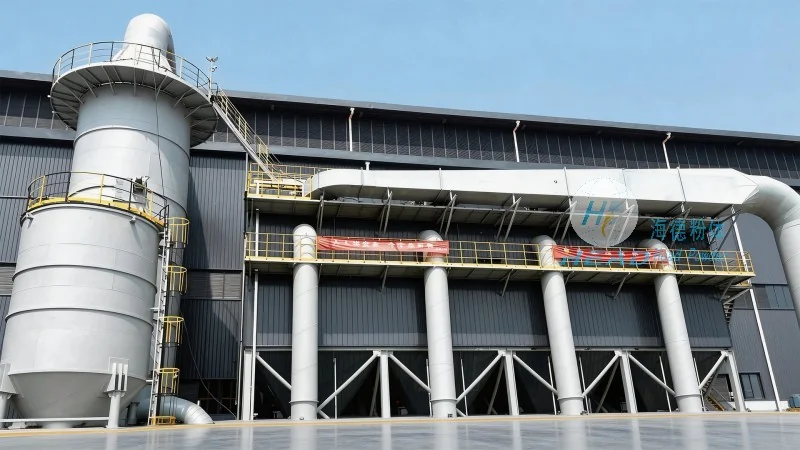
Technical Considerations and Optimization
Successful implementation of a cellulose pneumatic conveying system requires careful consideration of several technical factors. The selection of the appropriate conveying mode—dilute or dense—depends on the material's particle size, density, and flow characteristics. For fine, low-density cellulose powders, a dilute-phase system may be preferred to maintain particle suspension and prevent clogging. Conversely, for larger or more abrasive particles, a dense-phase system offers better control and reduced wear on components. Additionally, the system's design must account for the potential for static electricity, as cellulose materials are prone to generating static charges. Proper grounding and anti-static measures are essential to prevent material buildup and ensure safe operation. Furthermore, the choice of pipeline material and diameter is critical to minimize pressure drop and ensure consistent material flow. Regular maintenance and monitoring of system performance are also vital to prevent downtime and maintain optimal efficiency.
HeadPowder's Commitment to Quality and Service
As a trusted partner in material handling solutions, Shandong HeadPowder Engineering Co., Ltd. is dedicated to delivering high-quality pneumatic conveying systems that meet the stringent requirements of modern industry. Our team of experienced engineers and technicians works closely with clients to understand their specific needs and design customized solutions that enhance operational efficiency and reduce costs. We employ advanced design software and rigorous testing protocols to ensure that each system is optimized for performance, reliability, and longevity. Our commitment to customer satisfaction extends beyond the initial installation, as we provide comprehensive after-sales support, including maintenance services, spare parts availability, and technical assistance. By leveraging our expertise and innovative approach, HeadPowder helps industries streamline their material handling processes and achieve their production goals with greater efficiency and sustainability.