

Principle of Polysilicon Pneumatic Conveying System
Polysilicon, a foundational material in the semiconductor industry, demands specialized handling systems to preserve its purity and ensure process reliability. The pneumatic conveying system for polysilicon is a sophisticated technology that leverages gas dynamics to transport this high-value material efficiently. This article delves into the core principles, system components, and operational strategies of such systems, highlighting their role in industrial applications and the expertise of companies like Shandong HeadPowder Engineering Co., Ltd. in delivering tailored solutions.
Foundational Principles of Pneumatic Conveying
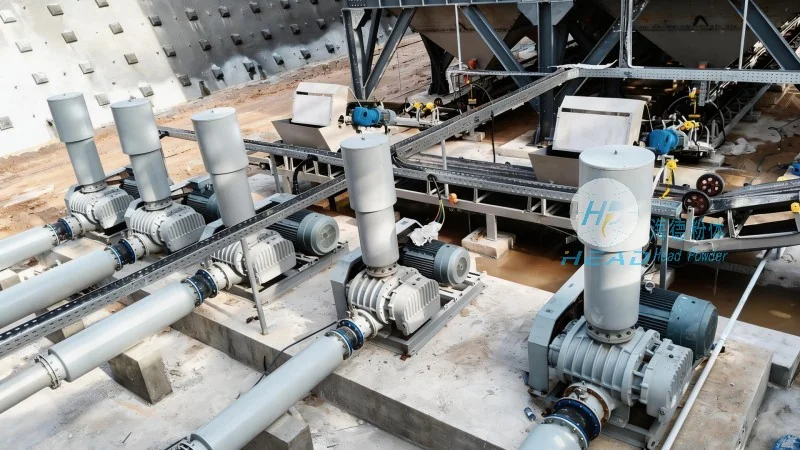
The pneumatic conveying system operates on the principle of transporting solid particles suspended in a gas stream. For polysilicon, which is typically processed as fine granules or powders, the system relies on differential pressure to create a flow. This method eliminates mechanical contact, reducing contamination risks and preserving material integrity. The system uses either positive pressure (forcing air through the line) or negative pressure (suction to draw material) to move the material from a source to a destination. The choice of pressure type depends on factors like distance, material properties, and system efficiency requirements.
Key System Components and Their Roles
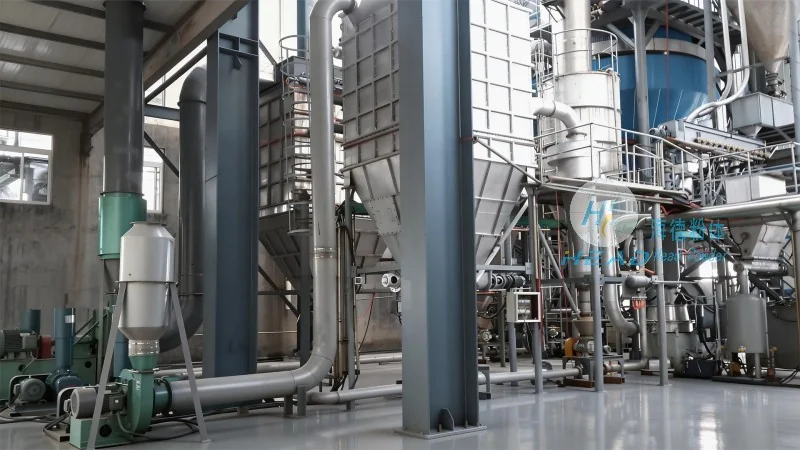
A polysilicon pneumatic conveying system comprises several critical components, each designed to handle the unique characteristics of the material. The material feed hopper regulates the polysilicon input, ensuring a consistent flow rate. The air supply system generates the necessary pressure or vacuum, with filters and regulators maintaining air quality and flow stability. The conveying line, often made of corrosion-resistant materials like stainless steel, transports the material while minimizing friction and particle degradation. The receiving hopper or silo collects the material at the destination, with optional dust collection systems to comply with environmental regulations. Each component is engineered to withstand the high purity requirements of polysilicon, preventing contamination and ensuring operational reliability.
Operational Mechanisms and Flow Control
Effective operation of a polysilicon pneumatic conveying system requires precise control of air flow and material feed. Sensors and control valves regulate pressure and flow rates to maintain optimal conveying velocity, preventing clogging or material degradation. The system’s design considers factors such as particle size distribution, material density, and moisture content to ensure stable transport. For long-distance applications, positive pressure systems are preferred due to their ability to maintain consistent pressure and prevent backflow. Suction systems are suitable for shorter distances or when material needs to be collected from multiple points. Advanced control systems enable real-time monitoring and adjustments, ensuring the system adapts to changing conditions and maintains performance.
Advantages of Pneumatic Conveying for Polysilicon
Compared to traditional mechanical conveying methods, pneumatic systems offer distinct advantages for polysilicon handling. These include reduced contamination risk, as the material is isolated from metal or other surfaces, and improved process control, allowing precise dosing and flow regulation. The closed system design enhances safety by minimizing dust exposure and environmental impact. Additionally, pneumatic conveying is flexible in layout, enabling integration into existing production facilities without major structural changes. The ability to handle fine powders without segregation or agglomeration is critical for polysilicon, which is sensitive to particle size changes that could affect semiconductor quality.
HeadPowder Engineering's Expertise in Polysilicon Conveying Solutions
Shandong HeadPowder Engineering Co., Ltd., a leading provider of material handling solutions, specializes in designing and manufacturing pneumatic conveying systems tailored to the polysilicon industry. With extensive experience, the company understands the stringent requirements for maintaining material purity and operational efficiency. HeadPowder Engineering employs advanced engineering techniques and materials to ensure systems meet industry standards. Their solutions are customized to fit specific production processes, ensuring seamless integration and optimal performance. By leveraging their expertise, clients enhance productivity while adhering to quality and safety regulations.
Applications and Industry Impact
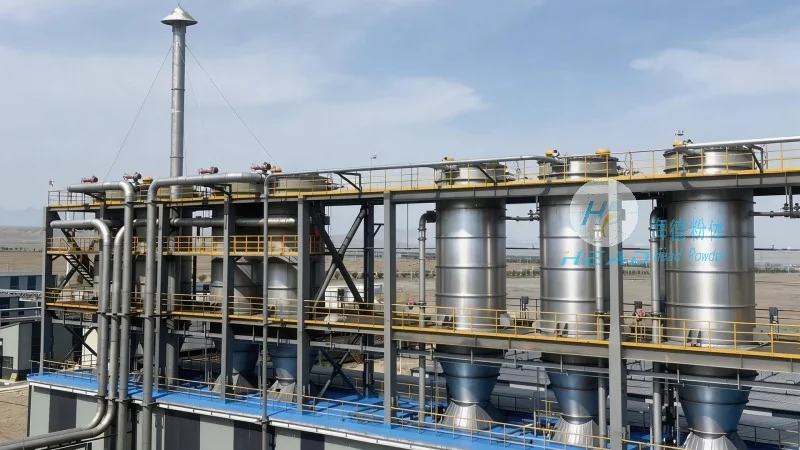
Polysilicon pneumatic conveying systems are integral to semiconductor manufacturing, transporting material from storage to production lines and processing units. The efficiency of these systems directly impacts overall productivity and cost-effectiveness. By minimizing downtime and material loss, they contribute to higher yields and lower operational costs. Advanced control systems enable real-time monitoring, ensuring stable performance under varying conditions. This adaptability is vital in dynamic industrial environments where production demands and material characteristics may change frequently.
Maintenance and Best Practices for Longevity
To ensure the longevity and optimal performance of polysilicon pneumatic conveying systems, regular maintenance and adherence to best practices are essential. Routine cleaning of the conveying line and filter system prevents material buildup and clogs. The air supply system should be checked for proper pressure and flow, with leaks addressed promptly to maintain efficiency. Feed and receiving hoppers must be inspected for wear or contamination, as these components are critical to system functionality. Proactive maintenance schedules extend equipment lifespan and avoid costly downtime. Operator training on system operation and troubleshooting is also crucial for consistent performance and safety.
Conclusion: The Role of Pneumatic Conveying in Polysilicon Handling
In conclusion, the pneumatic conveying system is a vital technology for handling polysilicon in industrial settings. By leveraging fluid dynamics and pressure control, these systems provide a reliable and efficient means of transporting high-value materials while preserving purity and integrity. The expertise of companies like Shandong HeadPowder Engineering Co., Ltd. in designing and implementing such systems is instrumental in meeting the demands of the semiconductor industry. As technology advances, the continued development of pneumatic conveying solutions will play a crucial role in enhancing productivity and sustainability in polysilicon production, supporting the growth of the global semiconductor market.