

Principle of Wheat Flour Pneumatic Conveying System
Wheat flour pneumatic conveying systems are critical components in the food processing industry, particularly for the efficient and hygienic transfer of flour and other fine powders. These systems operate on the principle of using air to transport materials through a network of pipes and equipment. Understanding the core principles behind these systems is essential for optimizing performance, ensuring product quality, and maintaining operational efficiency in flour mills and related facilities. As a leading provider of engineering solutions for the flour industry, Shandong HeadPowder Engineering Co., Ltd. specializes in designing and manufacturing high-quality pneumatic conveying systems tailored to the specific needs of clients in China and beyond.
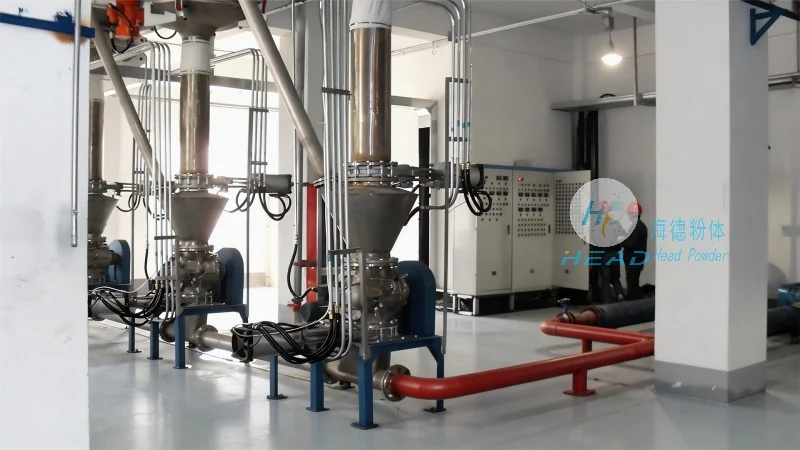
Core Components of a Pneumatic Conveying System
A typical wheat flour pneumatic conveying system comprises several key components that work in tandem to achieve effective material transport. The primary elements include a hopper or feeder for material storage and feeding, a blower or compressor to generate the necessary air pressure, a conveying line (often made of stainless steel for hygiene and durability), and a receiver or discharge point for the transported flour. Each component plays a vital role in the overall system's functionality, and their proper integration is crucial for reliable operation. The hopper ensures a consistent feed of wheat flour, while the blower provides the pressure differential needed to move the material through the system. The stainless steel conveying line is designed to withstand the abrasive nature of flour particles and maintain a sanitary environment, preventing contamination and product degradation.
The Working Principle of Pneumatic Conveying
The fundamental principle of pneumatic conveying involves creating a pressure differential between the inlet and outlet of the conveying line. When the blower or compressor introduces air into the system, it creates a flow that lifts and propels the wheat flour particles through the pipe. This process can be categorized into two main types: dilute phase and dense phase conveying. Dilute phase systems use lower air velocities and higher air-to-material ratios, suitable for long-distance or high-capacity transport. Dense phase systems, on the other hand, operate at higher air pressures and lower velocities, which is ideal for transporting sensitive materials like flour without causing degradation or segregation. The choice between these two types depends on factors such as the distance to be covered, the volume of material to be transported, and the specific characteristics of the flour being handled.
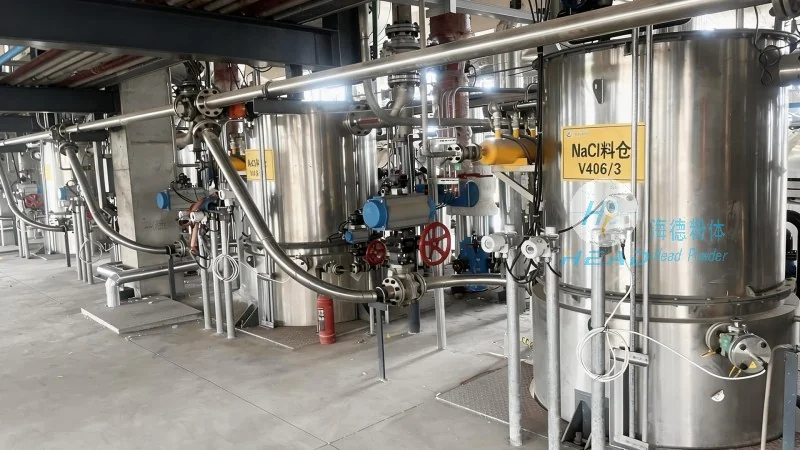
Advantages of Pneumatic Conveying for Wheat Flour
Implementing a pneumatic conveying system for wheat flour offers numerous advantages over traditional mechanical conveying methods. Firstly, it provides a hygienic and dust-free environment, which is paramount in food processing to maintain product quality and comply with regulatory standards. The enclosed system prevents flour from coming into contact with contaminants such as dust, moisture, or other particles, ensuring that the final product remains pure and safe for consumption. Secondly, these systems are highly efficient in terms of energy consumption and operational speed, allowing for rapid and continuous material transfer. The ability to transport flour over long distances without the need for multiple transfer points also reduces the risk of contamination and product loss. Additionally, pneumatic conveying systems are flexible and can be easily integrated into existing production lines, adapting to changes in production volume or process requirements. This adaptability makes them suitable for both small-scale and large-scale operations, catering to the diverse needs of the flour industry.
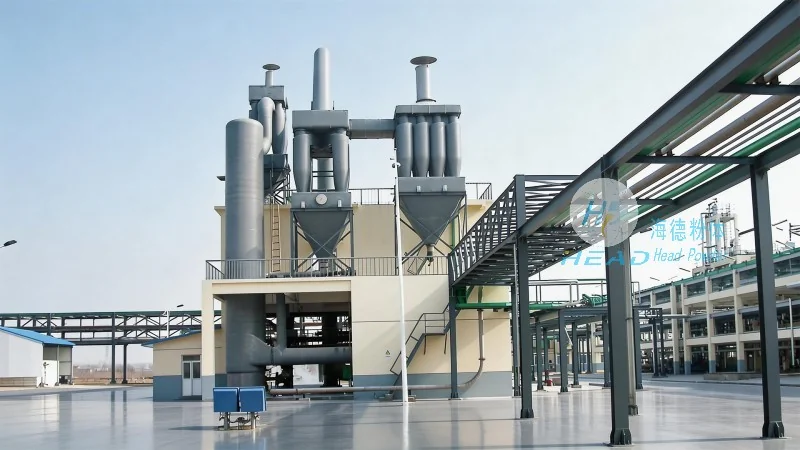
Key Considerations for System Design and Installation
When designing and installing a wheat flour pneumatic conveying system, several factors must be carefully considered to ensure optimal performance and longevity. Material selection is a critical aspect, as the conveying line and components must be resistant to corrosion and compatible with flour's chemical properties. The system's layout, including the placement of hoppers, blower, and discharge points, must be planned to minimize pressure losses and ensure smooth material flow. For example, the angle and length of the conveying line can significantly impact the system's efficiency, and proper engineering is required to avoid unnecessary resistance. Additionally, the air quality and filtration system are essential to prevent contamination and maintain product purity. The blower should be equipped with high-efficiency particulate air (HEPA) filters to remove any airborne particles before they enter the conveying line. Proper maintenance, including regular cleaning and inspection of components, is also vital to prevent blockages and ensure consistent operation. Regular checks of the blower's performance and the condition of the conveying line can help identify potential issues before they lead to system failure.
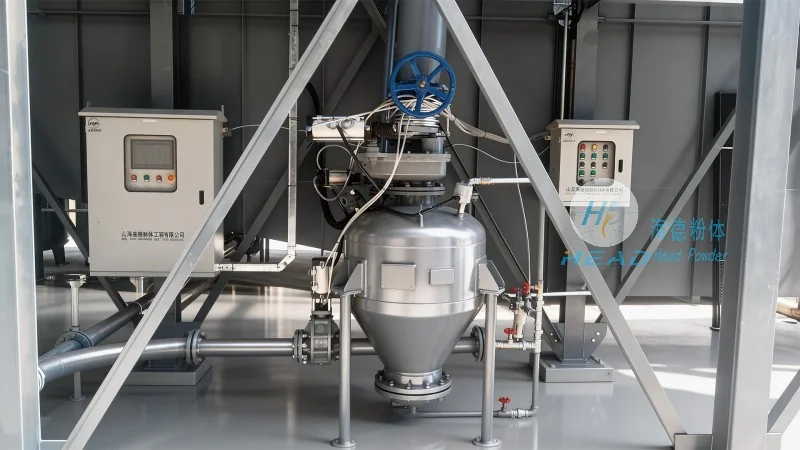
Applications in the Flour Industry
Wheat flour pneumatic conveying systems are widely used in various applications within the flour industry. They are commonly employed in flour mills for the transfer of raw wheat flour from storage silos to processing equipment, such as mixers or packaging machines. These systems are also utilized in bakery and food processing facilities for the transport of flour to production lines, ensuring a steady supply of raw material for baking and other food products. The versatility of pneumatic conveying makes it suitable for both small-scale and large-scale operations, catering to the diverse needs of the flour industry. For instance, in a small bakery, a simple dilute phase system may be sufficient to transport flour from a storage bin to a mixer. In contrast, a large-scale flour mill may require a complex dense phase system with multiple conveying lines and control systems to handle high volumes of flour efficiently.
Conclusion
In conclusion, the principle of wheat flour pneumatic conveying systems is a sophisticated and efficient method for transporting fine powders in the food processing industry. By leveraging the power of air to move materials, these systems offer significant advantages in terms of hygiene, efficiency, and flexibility. With proper design, installation, and maintenance, pneumatic conveying systems can enhance operational performance and contribute to the overall success of flour mills and related facilities. As the demand for high-quality flour products continues to grow, the importance of reliable and effective conveying systems like these will only increase, making them a cornerstone of modern flour processing operations. Shandong HeadPowder Engineering Co., Ltd. remains committed to providing innovative and customized pneumatic conveying solutions that meet the evolving needs of the flour industry, ensuring that clients can achieve optimal performance and maintain the highest standards of product quality.