

Principle of Sawdust and Husk Pneumatic Conveying System
HeadPowder, a leading manufacturer based in Shandong, China, specializes in the design and production of advanced pneumatic conveying systems tailored for the efficient handling of sawdust and husk materials. This article delves into the fundamental principles underlying such systems, highlighting the technical aspects that ensure optimal performance and reliability in industrial applications.
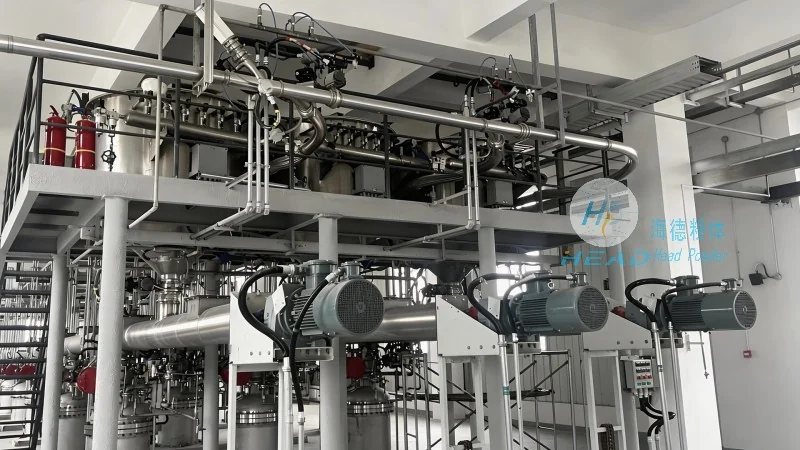
Overview of Pneumatic Conveying Systems for Sawdust and Husk
Pneumatic conveying systems are essential in processing industries where sawdust and husk are primary raw materials. These systems utilize air or gas as the conveying medium to transport bulk materials from one location to another without the need for mechanical components like belts or buckets. The core principle involves creating a pressure differential that propels the material through a pipeline, making it an ideal solution for applications requiring high efficiency, minimal maintenance, and the ability to handle abrasive or dusty materials.
Key Components and Their Functions
The effectiveness of a sawdust and husk pneumatic conveying system depends on several critical components, each playing a vital role in the overall operation. The main components include the material feed hopper, the air compressor or blower, the conveying pipeline, the separation or collection equipment, and the control system. The feed hopper ensures a consistent supply of material, while the air compressor generates the necessary pressure to move the material through the pipeline. The pipeline is designed with appropriate diameters and bends to minimize pressure loss and material degradation. The separation equipment, such as cyclones or filters, separates the conveyed material from the air stream, allowing for clean material recovery and air filtration. Finally, the control system monitors and regulates the operation, ensuring safety and efficiency.
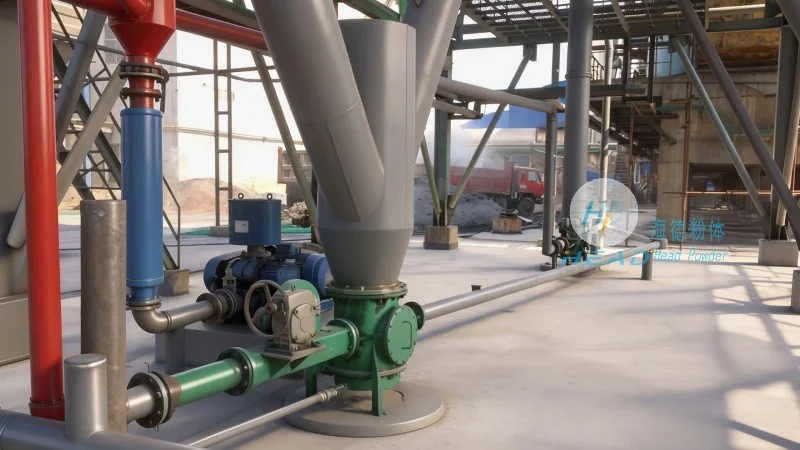
Working Principle: How the System Transports Materials
The operation of a sawdust and husk pneumatic conveying system follows a systematic process. Initially, the material is fed into the hopper from a storage silo or processing unit. The air compressor then draws air from the hopper and pressurizes it. As the air pressure increases, it forces the material to move through the pipeline. The material is suspended in the air stream, traveling at high velocity through the pipeline until it reaches the destination point, such as a storage silo or processing machine. At the receiving end, the material is separated from the air using a cyclone or other separation device, and the air is filtered and released back into the environment. This process is continuous and can be adjusted to handle varying material volumes and flow rates.
Advantages of Using Pneumatic Conveying for Sawdust and Husk
Employing pneumatic conveying systems for sawdust and husk offers numerous advantages over traditional mechanical conveying methods. Firstly, it provides a dust-free and clean operation, which is crucial for maintaining a safe working environment and preventing material contamination. Secondly, the system is highly efficient, with minimal energy loss and the ability to transport materials over long distances without significant degradation. Thirdly, it reduces the need for manual handling, lowering labor costs and improving workplace safety. Additionally, the system is versatile and can be adapted to various production scales, from small-scale operations to large industrial facilities. The compact design of the equipment also saves space, making it suitable for facilities with limited floor area.
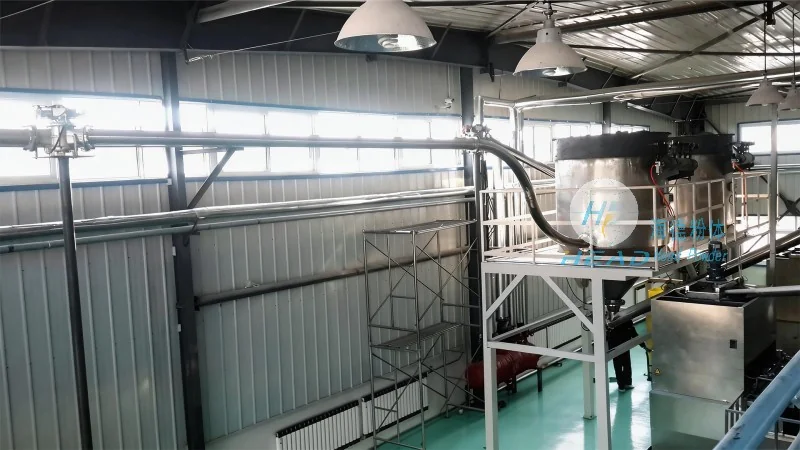
Applications in Industrial Settings
Sawdust and husk pneumatic conveying systems are widely used in various industrial sectors, including woodworking, agriculture, and biofuel production. In woodworking plants, these systems efficiently transport sawdust from cutting and shaping processes to storage or further processing units. In agricultural processing, they handle husk from grain or seed processing, ensuring smooth material flow from the processing line to packaging or storage. In biofuel production, the systems are critical for transporting biomass materials to the combustion or conversion units, contributing to the efficient production of renewable energy. The adaptability of the system to different material types and processing requirements makes it a preferred choice in these industries.
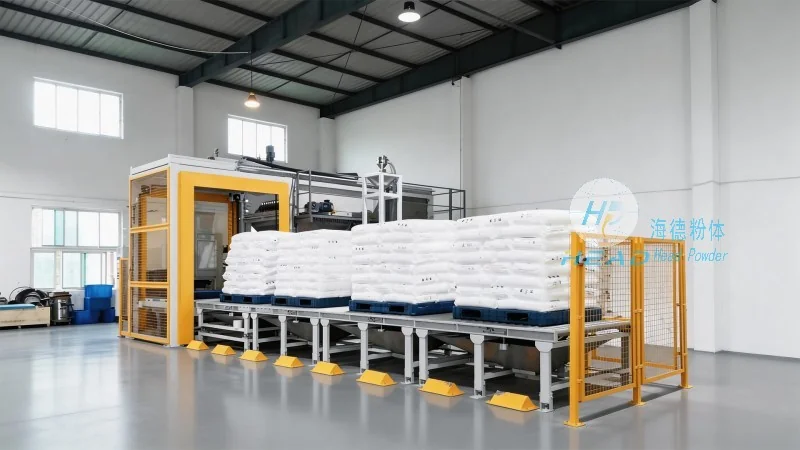
Technical Considerations for Optimal Performance
To ensure the optimal performance of a sawdust and husk pneumatic conveying system, several technical considerations must be addressed. The first is the selection of the appropriate air compressor or blower, which must generate sufficient pressure to overcome pipeline resistance and material density. The second is the design of the pipeline, including the diameter, length, and number of bends, as these factors directly impact pressure loss and material velocity. The third is the choice of separation equipment, which must effectively separate the material from the air stream without causing material loss or degradation. Additionally, the system must be equipped with proper filtration and safety features to prevent dust explosions and ensure compliance with environmental regulations. Regular maintenance and monitoring of the system are also essential to maintain its efficiency and longevity.
Conclusion: The Role of HeadPowder in Pneumatic Conveying Solutions
HeadPowder Engineering Co., Ltd., based in Shandong, China, is a trusted provider of high-quality sawdust and husk pneumatic conveying systems. With years of experience in the industry, the company offers customized solutions tailored to the specific needs of its clients, ensuring efficient and reliable material handling. By adhering to the fundamental principles outlined in this article, HeadPowder's systems provide superior performance, durability, and safety, making them an ideal choice for industrial applications. As the demand for efficient material handling solutions continues to grow, HeadPowder remains committed to delivering innovative and effective pneumatic conveying systems that meet the evolving needs of the industry.