

Principle of Calcium Oxide Dry Powder Pneumatic Conveying System
Calcium oxide, commonly known as quicklime, is a critical industrial material used in various applications such as steelmaking, water treatment, and chemical synthesis. The efficient and reliable transportation of calcium oxide dry powder is essential for maintaining production efficiency and safety in industrial processes. This article explores the fundamental principles of a pneumatic conveying system designed for calcium oxide dry powder, highlighting the key components, operational mechanisms, and benefits of this technology, presented by Shandong HeadPowder Engineering Co., Ltd., a leading provider of bulk material handling solutions.
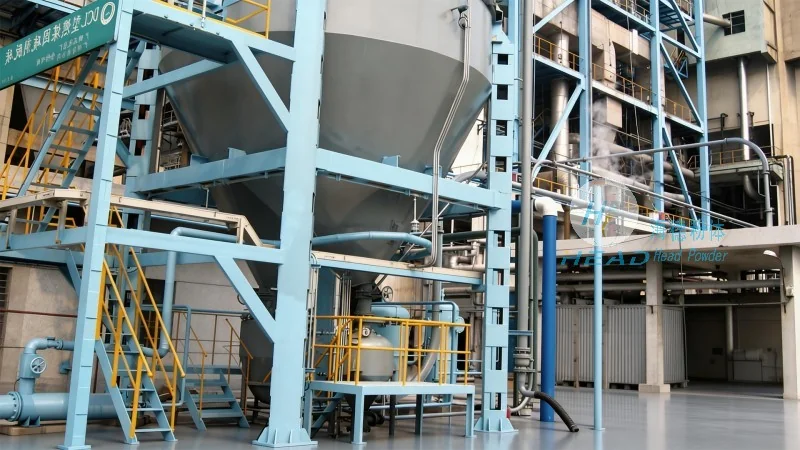
Key Components of the Pneumatic Conveying System
The pneumatic conveying system for calcium oxide dry powder typically consists of several core components that work in tandem to achieve effective material transport. These components include a material hopper, a rotary airlock valve, a positive displacement blower or a pressure vessel, a pipeline system, and a dust collection or separation unit. Each component plays a crucial role in the overall operation of the system.
The material hopper serves as the storage and feeding unit, holding the calcium oxide powder and regulating the flow rate into the system. The rotary airlock valve, often referred to as a star valve, acts as a seal between the hopper and the pipeline, preventing backflow and maintaining a consistent material feed. The positive displacement blower or pressure vessel generates the necessary air pressure to move the powder through the pipeline. The pipeline system, usually made of stainless steel or other corrosion-resistant materials, transports the powder from the source to the destination. Finally, the dust collection or separation unit ensures that any fine particles are captured and returned to the system, maintaining air quality and preventing material loss.
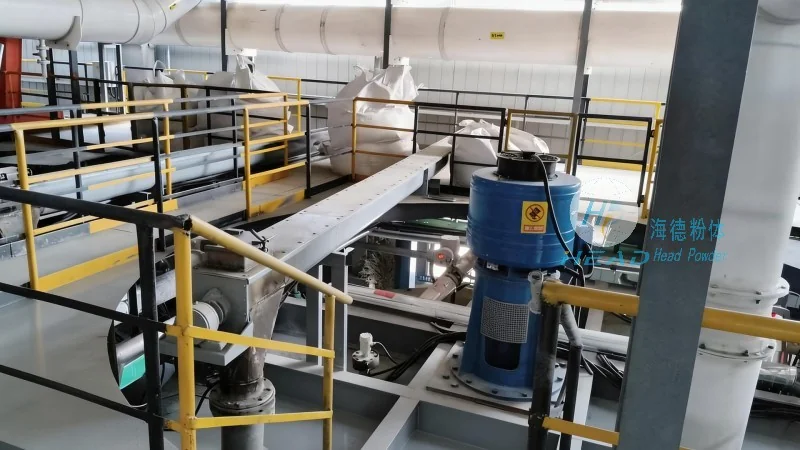
Operational Mechanism of the Pneumatic Conveying Process
The operation of the calcium oxide dry powder pneumatic conveying system involves a series of steps that ensure the material is transported efficiently and safely. The process begins with the material being fed from the hopper into the rotary airlock valve. The valve then releases the powder into the pipeline as the air pressure from the blower or pressure vessel moves the material forward. The air and powder mixture travels through the pipeline, with the air providing the necessary force to overcome friction and gravity. At the destination, the material is separated from the air, often through a cyclone separator or a bag filter, and the air is then discharged or recirculated. The separated powder is collected and delivered to the final storage or processing location.
One of the key advantages of this pneumatic conveying method is its ability to handle calcium oxide powder without the need for mechanical components that could cause wear or contamination. The system operates under pressure, which helps maintain the integrity of the powder and prevents caking or agglomeration. Additionally, the use of corrosion-resistant materials in the pipeline and components ensures long-term durability, especially when dealing with the chemical properties of calcium oxide.
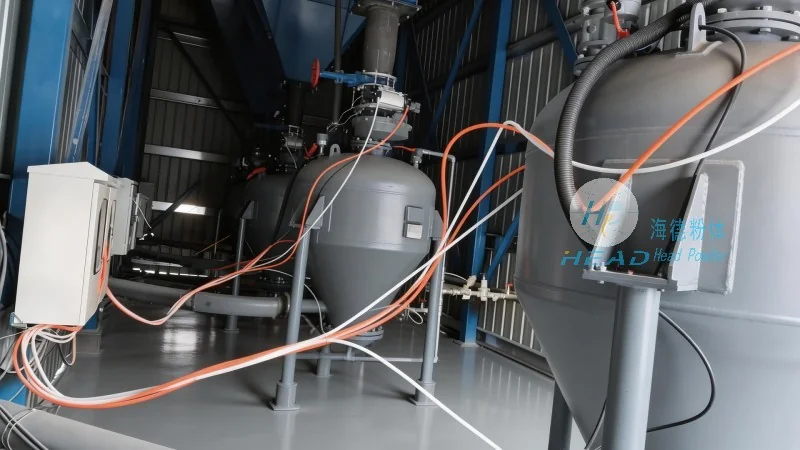
Benefits and Applications of the System
The calcium oxide dry powder pneumatic conveying system offers several benefits that make it an ideal choice for industrial applications. Firstly, it provides a dust-free and enclosed transportation method, which enhances workplace safety and reduces environmental impact. Secondly, the system is highly efficient, with minimal material loss and low maintenance requirements compared to traditional methods like bucket elevators or belt conveyors. Thirdly, the flexibility of the system allows for easy integration into existing production lines and the ability to transport materials over long distances or to multiple destinations.
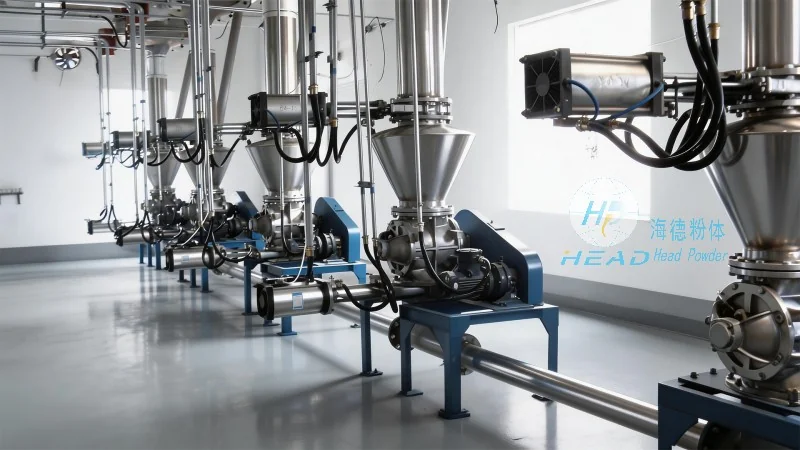
Applications of this system include the transportation of calcium oxide from storage silos to processing units in steel mills, the delivery of quicklime to water treatment facilities for pH adjustment, and the supply of calcium oxide to chemical plants for various synthesis processes. The system's ability to handle bulk quantities of powder while maintaining product quality makes it a preferred solution in industries where reliability and efficiency are paramount.
Conclusion
In conclusion, the calcium oxide dry powder pneumatic conveying system is a sophisticated and efficient technology that addresses the challenges of transporting bulk powder materials. By understanding the key components, operational mechanisms, and benefits of this system, industrial operators can optimize their processes and enhance overall productivity. The system's reliability, safety features, and adaptability make it a valuable asset for any facility handling calcium oxide, ensuring consistent performance and minimal downtime.