

Principle of Desulfurization Sodium Bicarbonate Pneumatic Conveying System
HeadPowder, a leading provider in the field of industrial engineering, specializes in the design and implementation of advanced pneumatic conveying systems. This article focuses on the principle and operational mechanics of a desulfurization sodium bicarbonate pneumatic conveying system, highlighting its key components, working process, and practical applications within industrial settings.
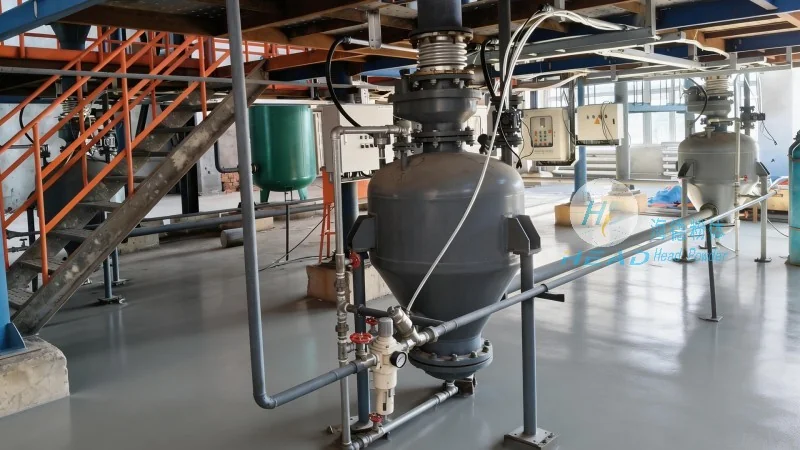
Overview of the Desulfurization Sodium Bicarbonate Pneumatic Conveying System
The desulfurization sodium bicarbonate pneumatic conveying system is a critical component in modern industrial processes, particularly in power plants and chemical facilities where sodium bicarbonate is used as a desulfurizing agent. The system efficiently transports sodium bicarbonate from storage silos to the desulfurization reaction units, ensuring consistent and reliable material delivery. This pneumatic conveying system operates by utilizing air pressure to move the solid material through a network of pipes, eliminating the need for mechanical conveyors and reducing maintenance costs.
Key Components of the Pneumatic Conveying System
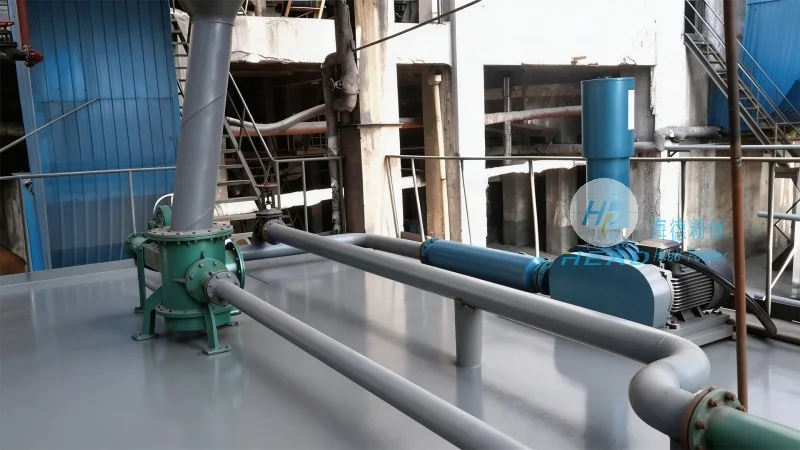
The system comprises several essential components that work in tandem to achieve efficient material transport. These include a material feeder, a blower or air compressor, a conveying pipeline, a control system, and a receiver or discharge unit. The material feeder, typically a rotary valve or a screw feeder, regulates the flow of sodium bicarbonate from the storage silo into the conveying line. The blower generates the necessary air pressure and flow rate to move the material through the pipeline. The conveying pipeline, often made of stainless steel or other corrosion-resistant materials, ensures the safe and efficient transport of the sodium bicarbonate. The control system monitors and adjusts the air pressure, flow rate, and material feed rate to maintain optimal operation. Finally, the receiver or discharge unit collects the material at the destination point, such as the desulfurization reactor.
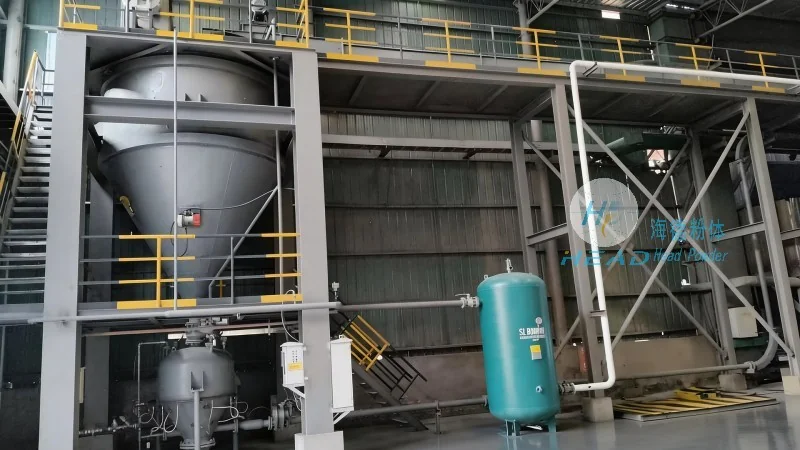
Working Principle of the Pneumatic Conveying Process
The operation of the desulfurization sodium bicarbonate pneumatic conveying system is based on the principle of pneumatic transport, where solid particles are suspended and carried by a moving air stream. The process begins with the material feeder releasing sodium bicarbonate into the conveying pipeline. Simultaneously, the blower introduces high-pressure air into the pipeline, creating a flow that entrains the solid particles. As the air and material mixture travels through the pipeline, the particles are kept in suspension by the air velocity. The system uses either positive pressure or negative pressure (or a combination of both) to move the material. Positive pressure systems use the blower to push the material forward, while negative pressure systems use a vacuum to pull the material. The choice of system depends on the distance, elevation changes, and material characteristics. The air velocity in the pipeline must be sufficient to maintain particle suspension, typically ranging from 20 to 30 meters per second for fine powders like sodium bicarbonate.
Advantages of the Pneumatic Conveying System
Implementing a pneumatic conveying system for desulfurization sodium bicarbonate offers several advantages over traditional mechanical conveying methods. Firstly, it eliminates the need for moving parts in the conveying line, reducing maintenance requirements and downtime. Secondly, the system provides a dust-free and hygienic environment, which is crucial for material handling in chemical and power generation facilities. Thirdly, it allows for precise control over the material flow rate and pressure, ensuring consistent performance. Additionally, the system can handle long distances and elevation changes without significant loss of material or air pressure. This makes it suitable for large-scale industrial applications where material transport over considerable distances is required.
Application in Desulfurization Processes
In desulfurization processes, sodium bicarbonate is used as an alkaline reagent to neutralize sulfur dioxide emissions from flue gases. The pneumatic conveying system ensures that the sodium bicarbonate is delivered to the desulfurization reactor in a controlled manner, maintaining the required concentration and flow rate. This consistent supply of reagent is essential for the efficient operation of the desulfurization unit, as it directly impacts the removal efficiency of sulfur dioxide. The system's ability to handle fine powders and maintain a stable flow rate makes it an ideal choice for this application. By integrating the pneumatic conveying system with the desulfurization process, industrial facilities can achieve higher desulfurization efficiency and lower operational costs.
Operational Considerations and Maintenance
Proper operation and maintenance of the desulfurization sodium bicarbonate pneumatic conveying system are critical to ensure its longevity and performance. Regular inspection of the blower and air compressor is necessary to maintain optimal air pressure and flow. The conveying pipeline should be checked for any blockages or leaks, as these can affect the system's efficiency. The material feeder and control system should be calibrated regularly to ensure accurate material feed rates. Additionally, the receiver and discharge unit should be cleaned periodically to prevent material buildup and corrosion. Proper maintenance practices can significantly extend the system's lifespan and reduce the risk of operational failures.
Conclusion
The desulfurization sodium bicarbonate pneumatic conveying system is a sophisticated and efficient solution for transporting sodium bicarbonate in industrial applications. By leveraging the principles of pneumatic transport, this system offers advantages such as reduced maintenance, dust-free operation, and precise control over material flow. As a leading provider in this field, Shandong HeadPowder Engineering Co., Ltd. specializes in designing and implementing such systems, ensuring that industrial facilities can achieve optimal performance and cost-effectiveness in their desulfurization processes. With its expertise and commitment to quality, HeadPowder continues to be a trusted partner for businesses seeking reliable and efficient material handling solutions.